
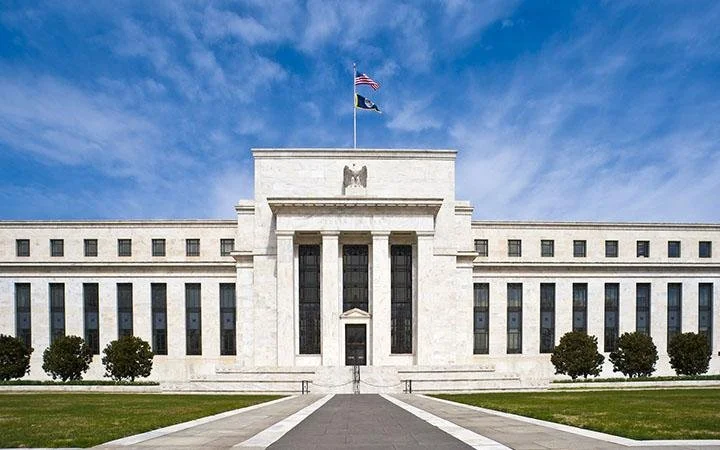
Federal Reserve identifies AI investment as an emerging source of inflation and capital-market pressure
AI investment is beginning to matter beyond the technology sector. As data centers, power infrastructure, construction, and corporate borrowing expand, the AI build-out can add inflationary pressure and push up the cost of capital needed to finance further growth. The strategic question is whether AI infrastructure can generate enough productivity and revenue to justify the financial conditions it is helping to tighten.
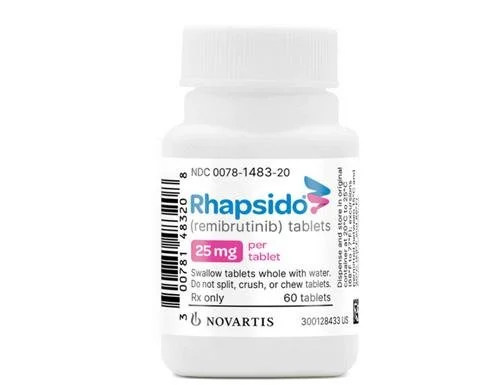
FDA approves Novartis remibrutinib for symptomatic dermographism — extending the commercial reach of oral BTK inhibition
FDA approval of remibrutinib in symptomatic dermographism expands the commercial reach of oral BTK inhibition beyond chronic spontaneous urticaria. The strategic question is whether indication expansion can translate mechanistic validation into durable clinical and commercial value across immune-mediated diseases, rather than simply adding another statistically positive use case.

Iran threatens alternative Hormuz shipping routes — the conflict moves toward transportation-network control
Iran’s pressure around the Strait of Hormuz is increasingly shifting the risk from oil production to energy access. Even when crude remains available, threats to shipping routes, insurance, tanker availability, and alternative export corridors can keep delivered energy costs elevated. The strategic question is no longer simply whether Hormuz is open, but how much reliable export capacity remains economically usable.
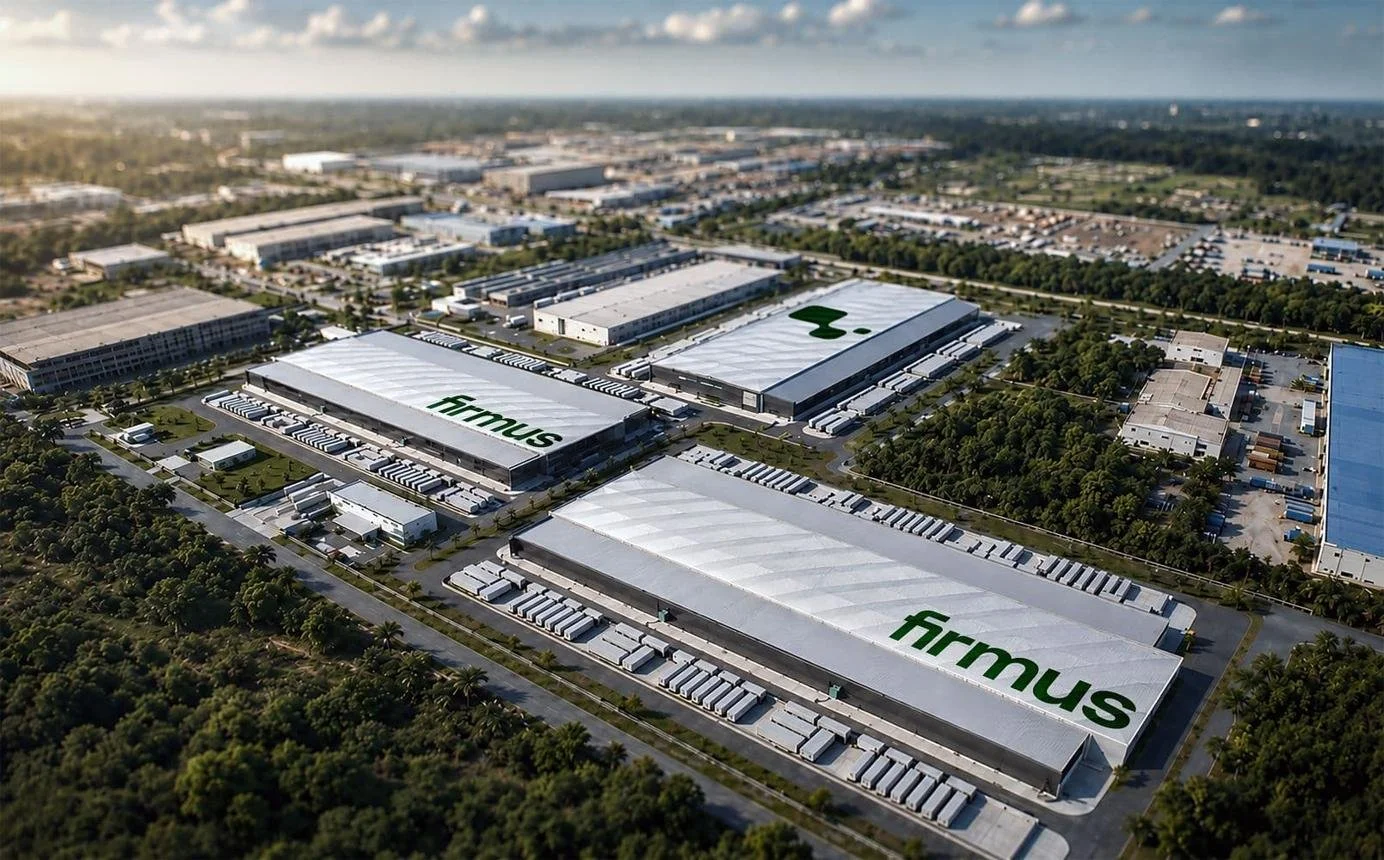
Firmus abandons its multibillion-dollar IPO — a warning about AI infrastructure valuation
Firmus Technologies’ withdrawn IPO highlights a critical distinction in the AI infrastructure boom: strong demand for compute does not automatically justify every infrastructure valuation. As capital requirements rise, investors are increasingly likely to differentiate between projected capacity, contracted demand, and assets that are actually financed, connected, operational, and generating cash flow.
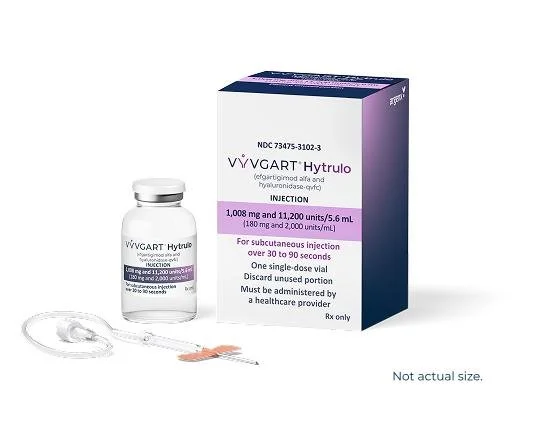
Argenx terminates Phase III Sjögren's trial while reporting positive Phase II celiac results
argenx reported two sharply different clinical outcomes on the same day: a Phase III failure for efgartigimod in Sjögren's disease and positive Phase II histological results for FB102 in celiac disease. Together, they highlight a central development question: how far can success in one autoimmune setting justify expansion into another when disease biology, patient heterogeneity and endpoint sensitivity may differ materially?
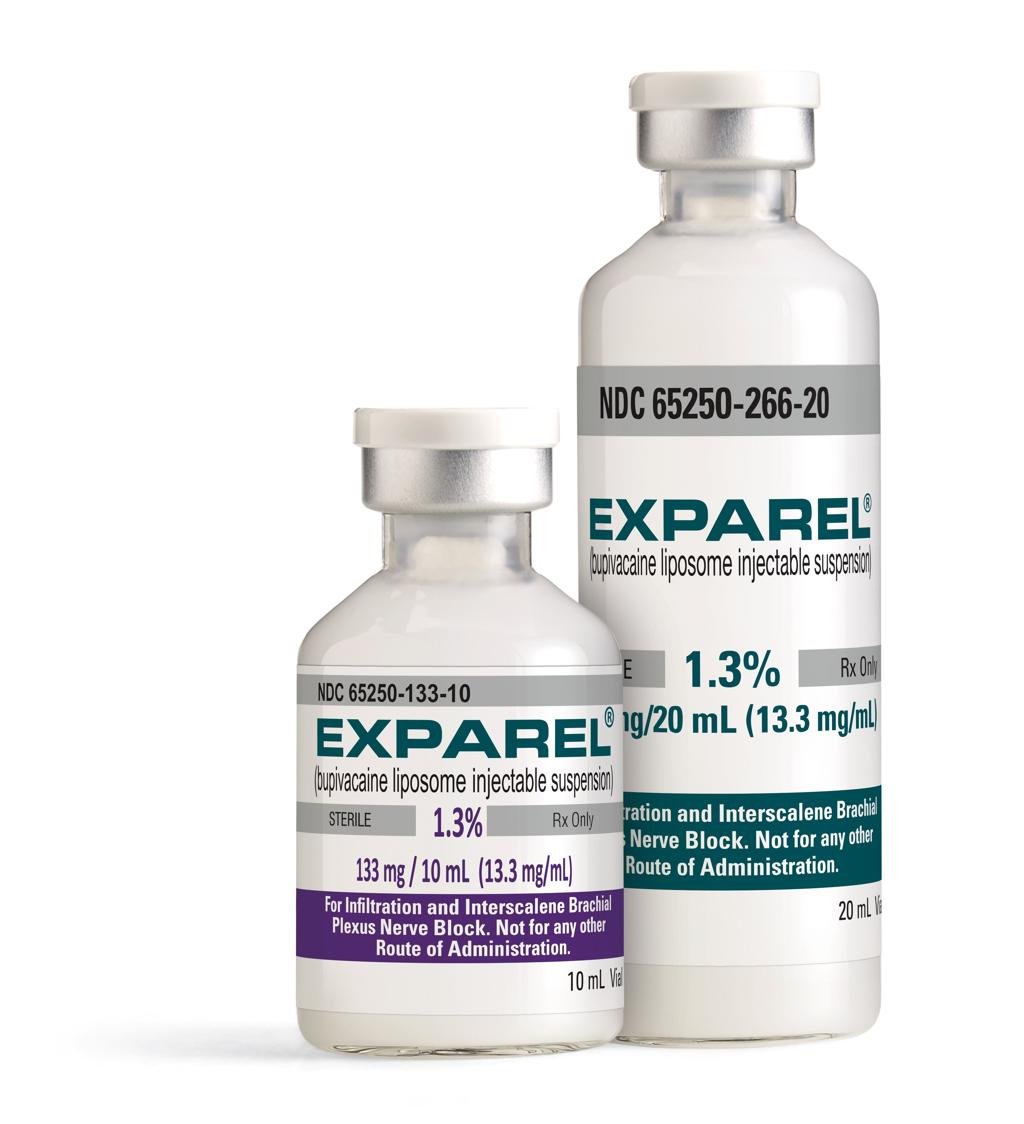
Viatris acquires Pacira for $1.65 billion — but how much of the value is clinically and commercially defensible?
Viatris’s $1.65 billion acquisition of Pacira adds established non-opioid pain assets to its portfolio, but the strategic value depends on more than headline revenue. Clinical differentiation, pricing durability, exclusivity, reimbursement and international commercial rights will determine how much of the acquisition value is ultimately defensible.