

Energy, Capital and Industrial Control: The Rising Cost of Strategic Dependence
Energy disruption, trade pressure and industrial dependence are changing who controls essential resources—and who pays when access fails. Across Saudi Arabia, South Korea, the European Union and China–US LNG trade, BBIU examines how geopolitical tensions translate into financing needs, operational constraints and uneven returns. The analysis identifies what CEOs, investors and policymakers should monitor as the cost of maintaining production and securing future supply rises.

Argentina-US: Malvinas and the Political Economy of Maritime Access
Who can turn political influence into control over the conditions of offshore development? Around the Malvinas/Falkland Islands, oil, fisheries, financing, and market access connect Argentina’s sovereignty claim with British commitments, American diplomacy, and private investment. BBIU examines the stakeholders and six potential scenarios, from continued development under diplomatic pressure to cooperation involving Argentina and the developers. For policymakers, CEOs, and investors, the central question is which decisions could change project economics—and whether a negotiated exchange could deliver durable benefits while preserving the parties’ sovereignty positions.
IMF: The End of the Aid Equilibrium
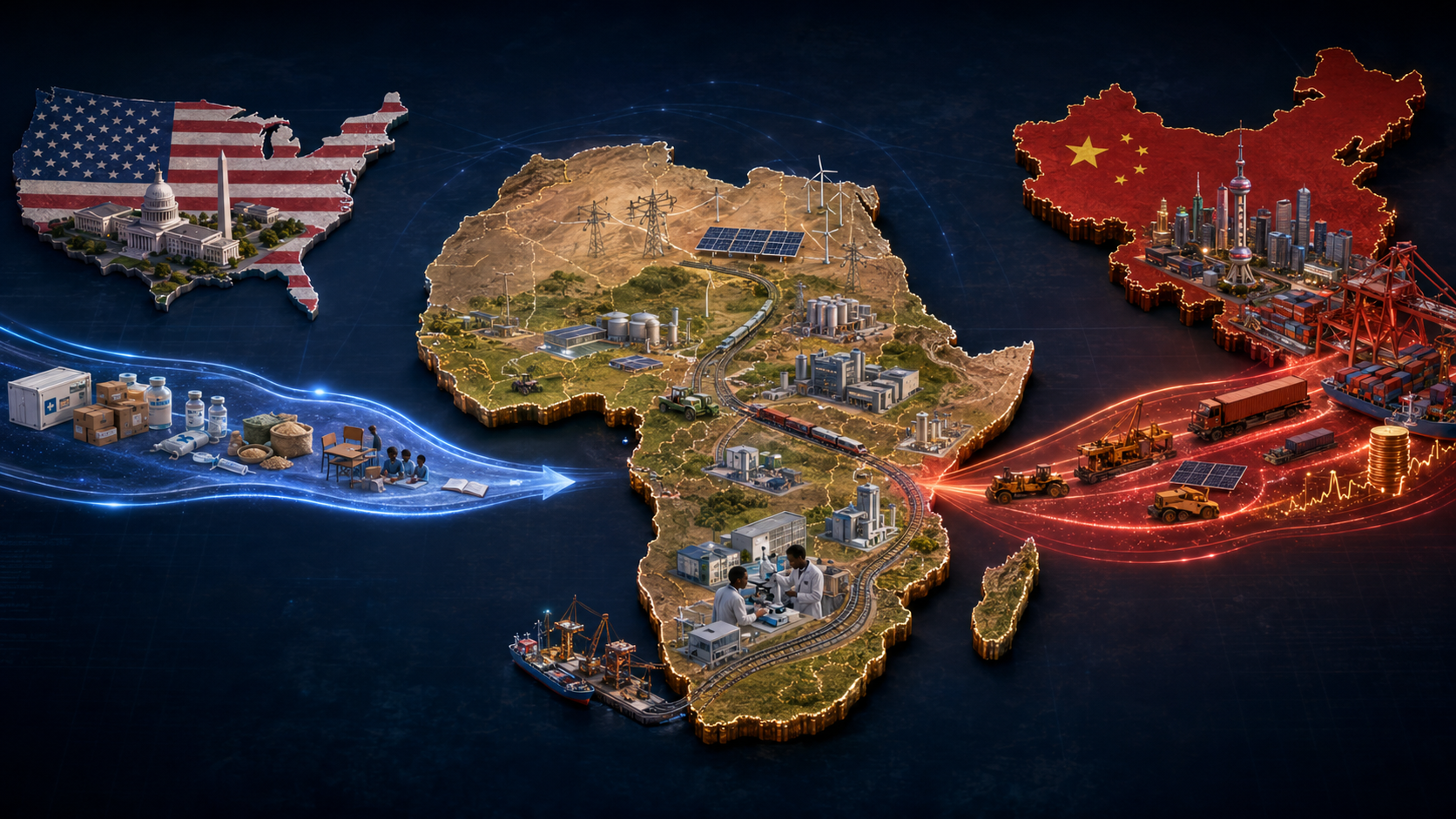
Sub-Saharan Africa is entering the end of an aid equilibrium that sustained essential services but often failed to produce lasting fiscal autonomy. Western grants are retreating, Chinese finance is becoming more selective and commercially oriented, and private capital cannot directly replace humanitarian assistance. The outcome will differ sharply across countries. Those able to convert external investment into infrastructure, productive capacity, employment, exports and taxation may advance toward greater sovereignty. Others risk exchanging Western aid dependence for debt, resource-backed finance or renewed humanitarian fragility.

From Trade Enforcement to Security Conditionality
Trump’s reduction of U.S.–South Korean military exercises represents more than a diplomatic opening to Kim Jong-un. It signals the emergence of conditional deterrence, in which trade execution, cooperation over Iran, counterintelligence failures, military readiness and South Korea’s domestic institutional trajectory are priced together. As Seoul considers restructuring electoral oversight and amending the Constitution, Washington may be reassessing not Korea’s strategic importance, but the reliability of its current political and operational alignment.

The PET Safeguard Paradox: From Chinese Overcapacity to State-Protected Capitalism in Post-Brexit Britain
The UK’s PET safeguard investigation is not a dumping case. It is a test of whether rising lawful imports caused serious injury—and whether protecting one domestic producer through a requested tariff of at least 90% would preserve strategic capacity or transfer costs across Britain’s wider manufacturing economy. BBIU examines the evidence behind the Chinese-proxy narrative, European supply chains and the boundary between disciplined industrial policy and corporate protection.

North Korea’s Fortified Survival Model
The war in Ukraine is reinforcing North Korea’s fortified-survival model. By exchanging ammunition, personnel, and battlefield support for revenue, energy, technology, and operational knowledge, Pyongyang may strengthen the regime while further depleting its population—making the Korean Peninsula more militarized, less transparent, and increasingly vulnerable to escalation.
FDA PreCheck and the Structural Repricing of Pharmaceutical Manufacturing Sovereignty
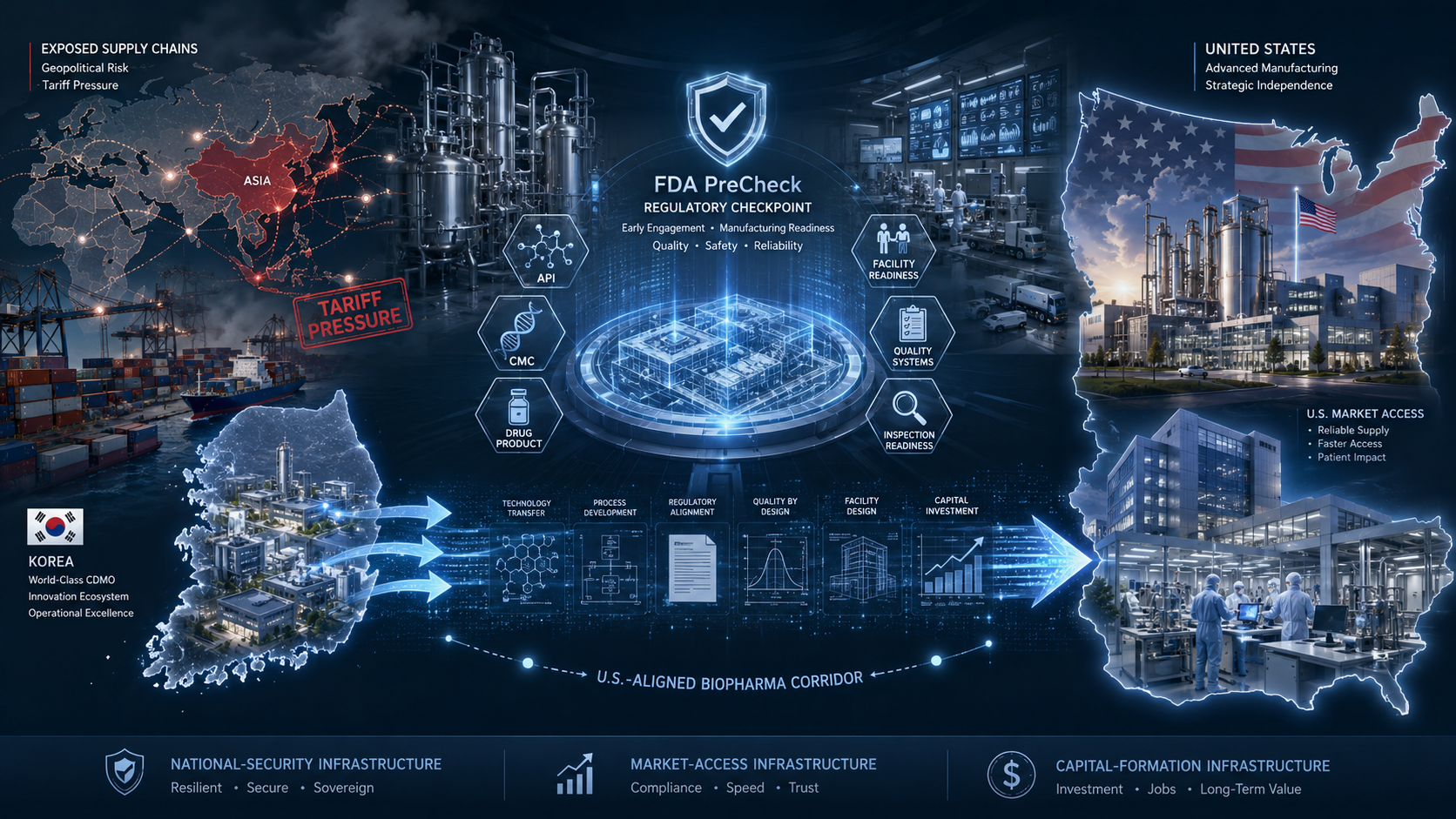
FDA PreCheck should not be read only as a regulatory pilot. It signals a broader shift in how the United States is treating pharmaceutical manufacturing capacity: not simply as production infrastructure, but as a strategic variable tied to market access, supply-chain security, and industrial policy.
By moving FDA engagement earlier in the facility-development process, PreCheck changes the timing of manufacturing risk. CMC, facility-readiness, quality-system, and inspection issues are no longer only late-stage approval concerns; they are becoming early investment and strategic-positioning variables.
For Korea, the issue extends beyond tariff exposure. Korean CDMOs with U.S. manufacturing footprints may gain strategic optionality, while Korea-based-only capacity could face increasing pressure to demonstrate alignment with a U.S.-centered pharmaceutical supply-chain security architecture.
The deeper question is no longer where pharmaceutical manufacturing is cheapest. It is where manufacturing can be controlled, inspected, scaled, trusted, and protected under geopolitical stress.
The Hidden Limit in China’s AI-Energy Ambition
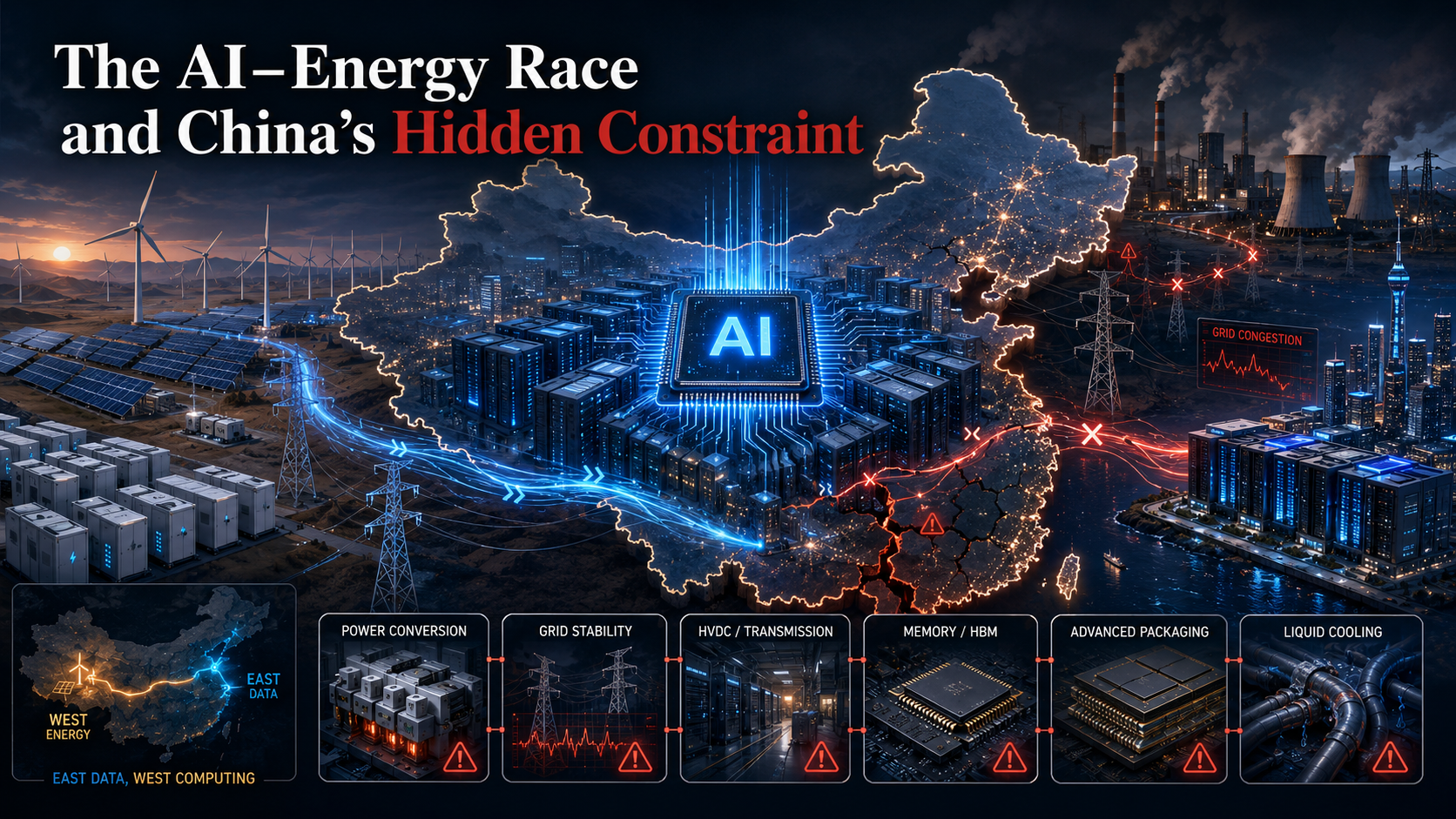
China’s renewable-energy buildout gives it a real strategic position in the AI–energy race, but renewable scale should not be confused with AI-grade power.
The decisive issue is conversion. Energy must become stable electricity. Stable electricity must become compute. Compute must become useful AI output. And AI output must be supported by trusted infrastructure, data governance, cooling, power conversion, semiconductor access, and regulatory acceptance.
China is strong where scale, manufacturing depth, and state coordination matter. Its constraint is more likely to appear where that scale must become dispatchable, secure, legally defensible, compute-efficient, and internationally trusted.
This public analysis examines why installed capacity alone is insufficient to judge China’s AI–energy advantage, and why the real strategic test is whether China can transform energy capacity into reliable compute capacity.
Mission 300 and the Structural Problem Behind Africa’s Electricity Access Push
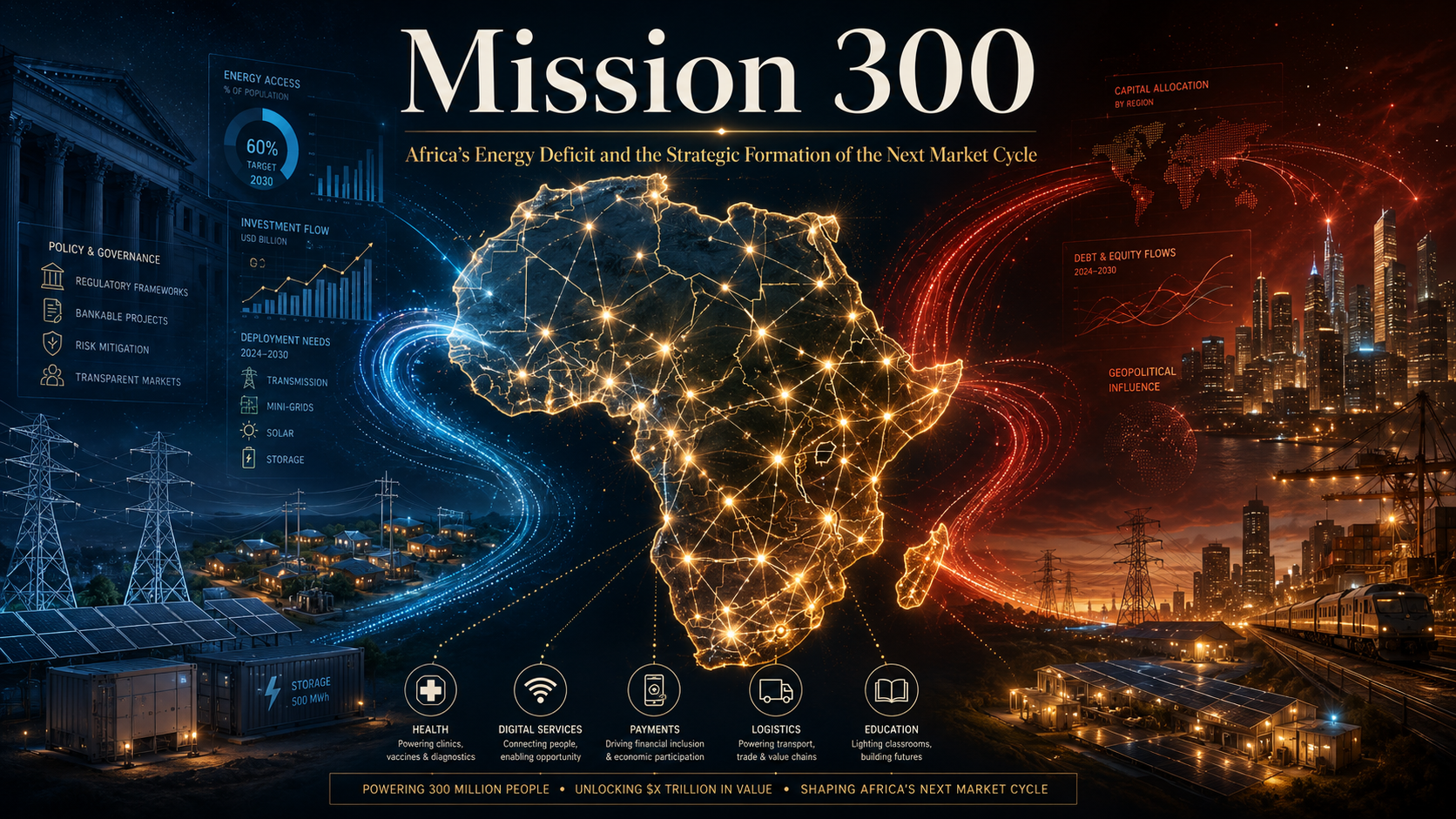
Mission 300 is being presented as an electricity-access milestone, but its deeper significance lies in what electricity makes possible after connection. By expanding the infrastructure layer beneath health systems, cold chain, digital payments, telecom, logistics, education, agriculture processing, and small manufacturing, Mission 300 may reshape the timing of Africa’s next market cycle. The central issue is not only how many people receive power, but who finances, governs, measures, and captures the systems that emerge once electricity arrives.
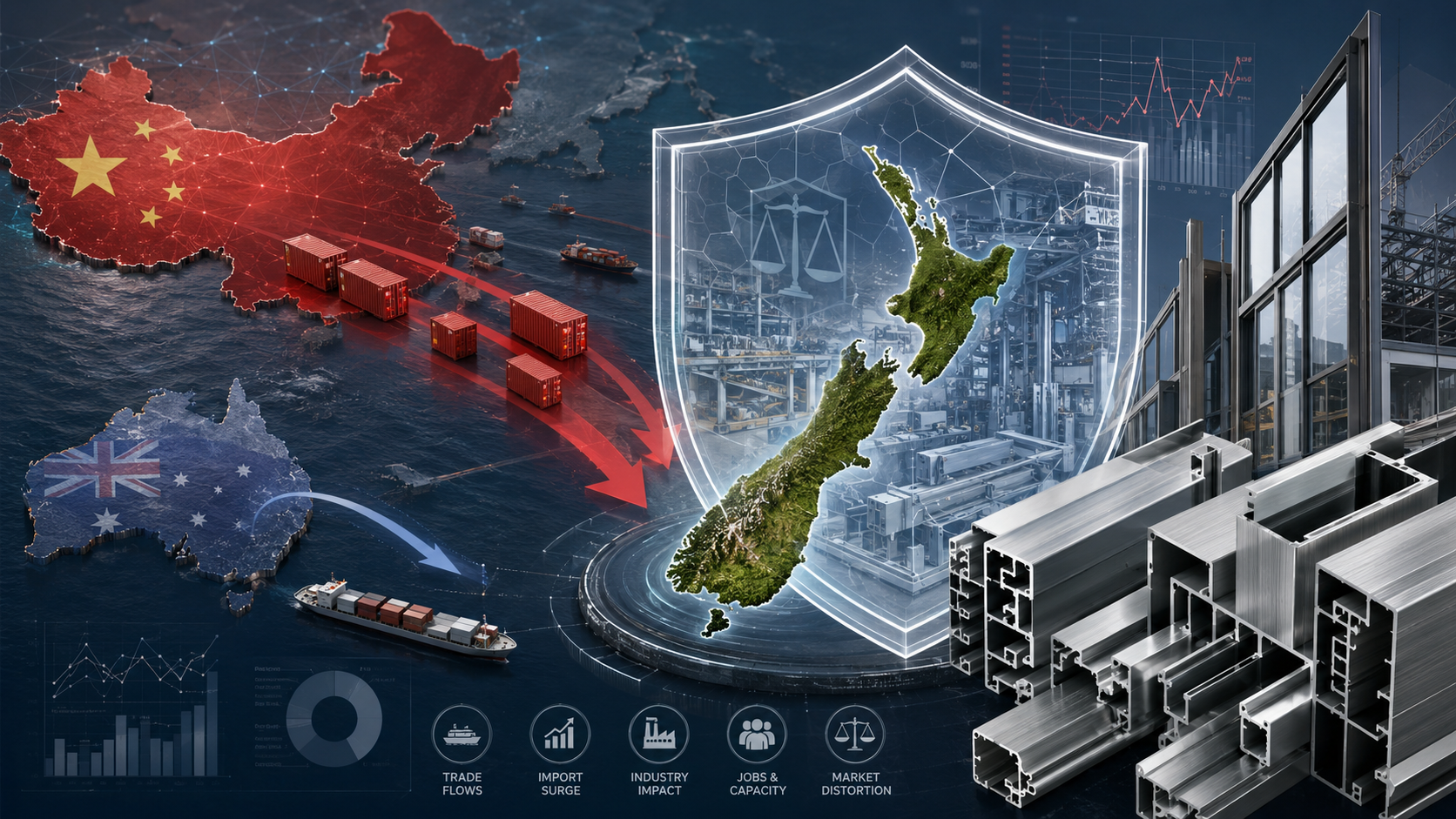
New Zealand’s Aluminium Safeguard Investigation and the Structural Cost of Import Dependence
New Zealand’s aluminium extrusion safeguard investigation is not simply a narrow metals case. It is an early signal of a broader shift from passive trade openness toward defensive industrial governance.
The central question is not whether imported aluminium profiles are cheaper. The deeper question is whether low-cost imports are beginning to erode domestic production capacity, technical know-how, supplier diversity, and strategic optionality.
For smaller open economies, this distinction matters. A product that is marginal for China can be structurally important for the importing country. Aluminium extrusions are embedded in construction, window systems, façades, transport, marine applications, and manufacturing. Once local producers lose scale and fabrication networks weaken, dependency has already begun.
The real decision for policymakers and industrial buyers is therefore not only how much they save today, but what it would cost to rebuild domestic capacity if that supply became unavailable, politically constrained, or strategically unreliable.
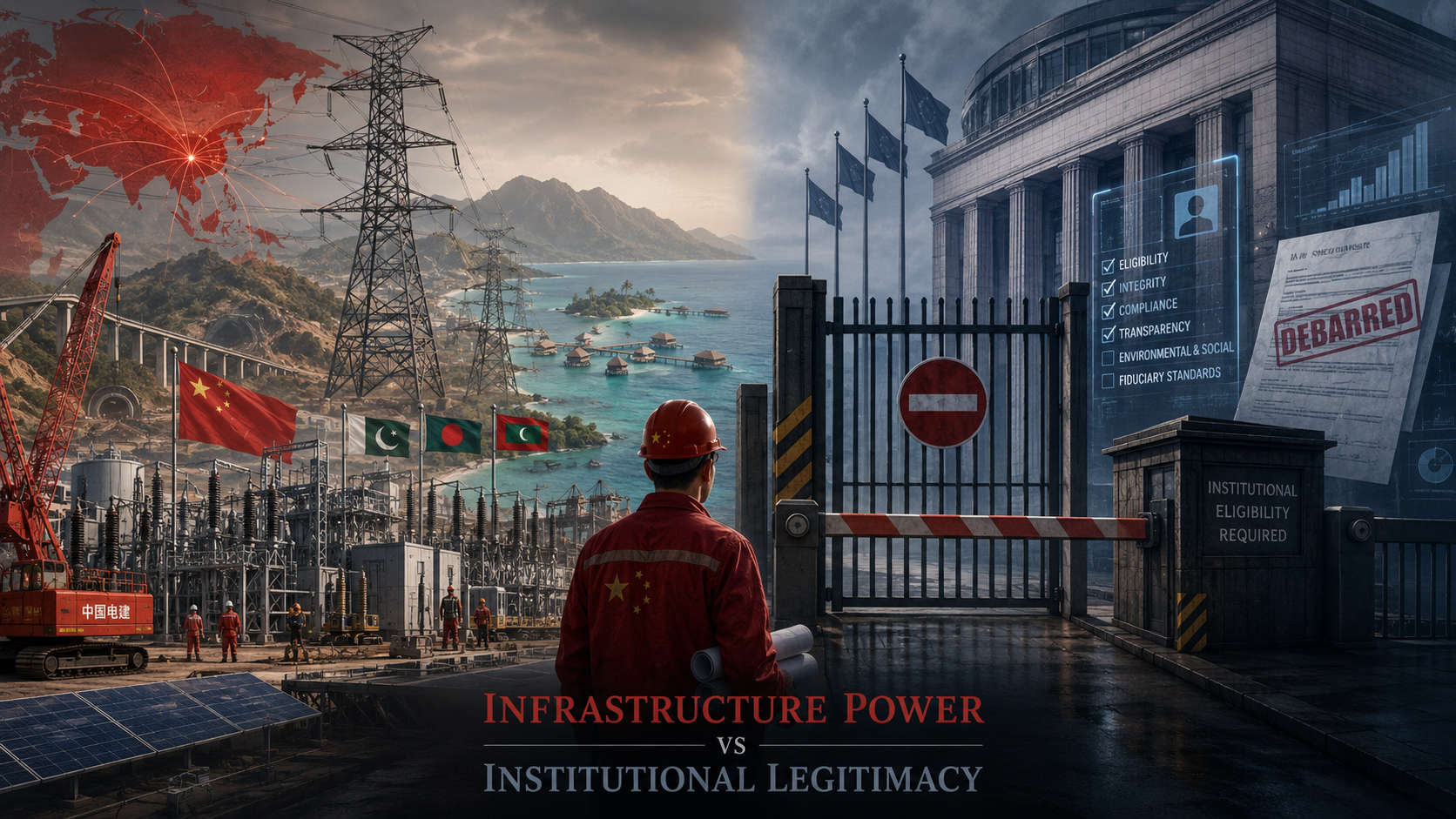
The World Bank Debarment of CNTIC and the Institutional Repricing of Chinese Infrastructure Expansion
The World Bank’s debarment of CNTIC is not merely a procurement sanction. It signals a broader institutional repricing of Chinese infrastructure expansion: technical execution capacity no longer guarantees access to multilateral legitimacy, development capital, or procurement credibility. As Chinese state-owned contractors operate inside critical energy systems across Belt and Road-adjacent geographies, eligibility, disclosure, compliance, and trust are becoming strategic constraints. The case shows that the next phase of infrastructure competition will be defined not only by who can build, but by who remains institutionally acceptable.
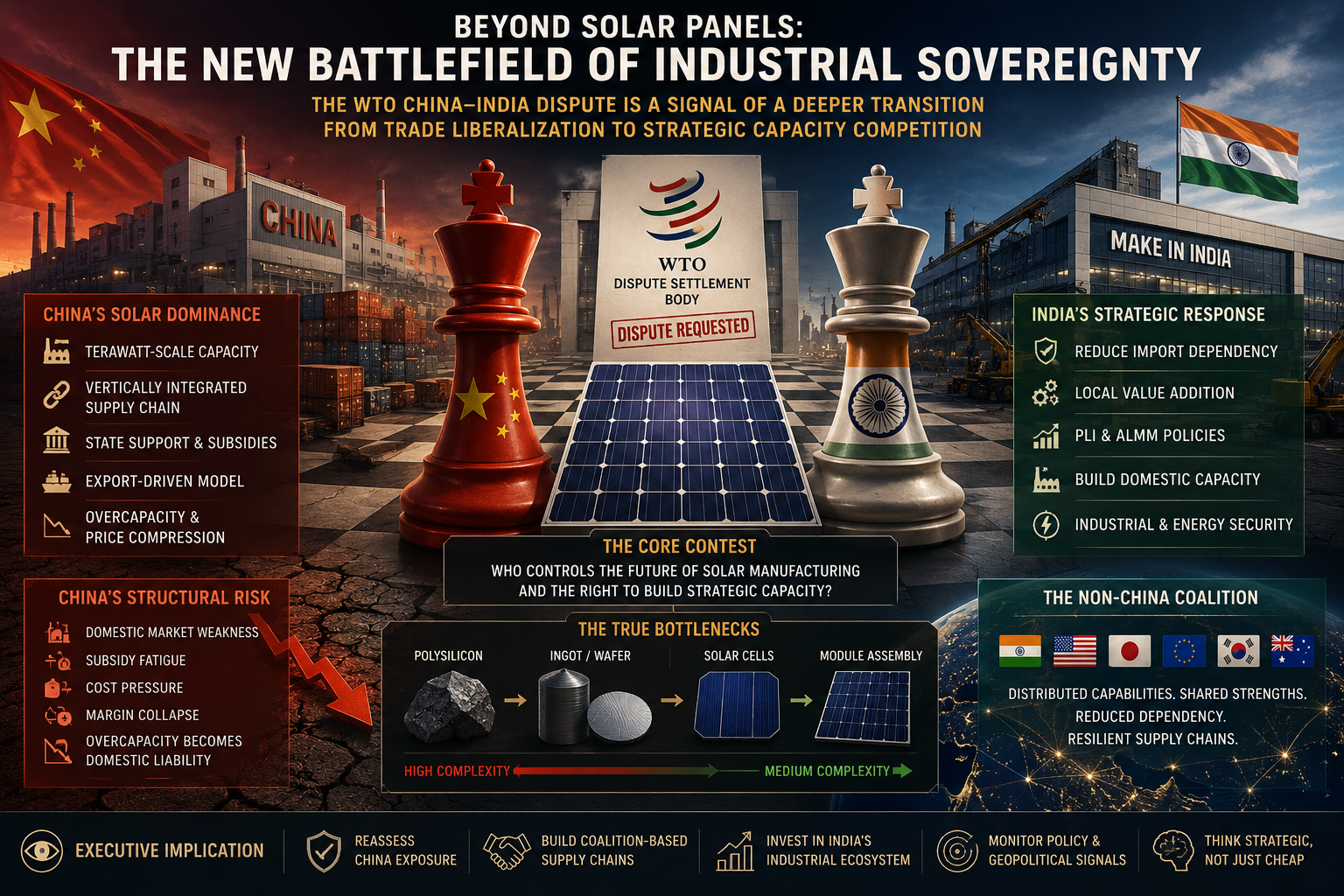
WTO Dispute Settlement and the Structural Repricing of Solar Dependency
The China–India solar dispute is not simply a WTO trade case. It signals a structural repricing of solar dependency. China is challenging India at the same moment India is trying to move from solar import dependence toward domestic manufacturing capacity.
The deeper issue is that solar is no longer only a clean-energy category. It has become a manufacturing-security sector where energy policy, industrial capacity, supply-chain control, and geopolitical exposure now overlap.
For institutions, the question is no longer only where solar components are cheapest. The more important question is which solar supply chain will remain legally accessible, politically acceptable, technologically reliable, and strategically resilient over the next decade.
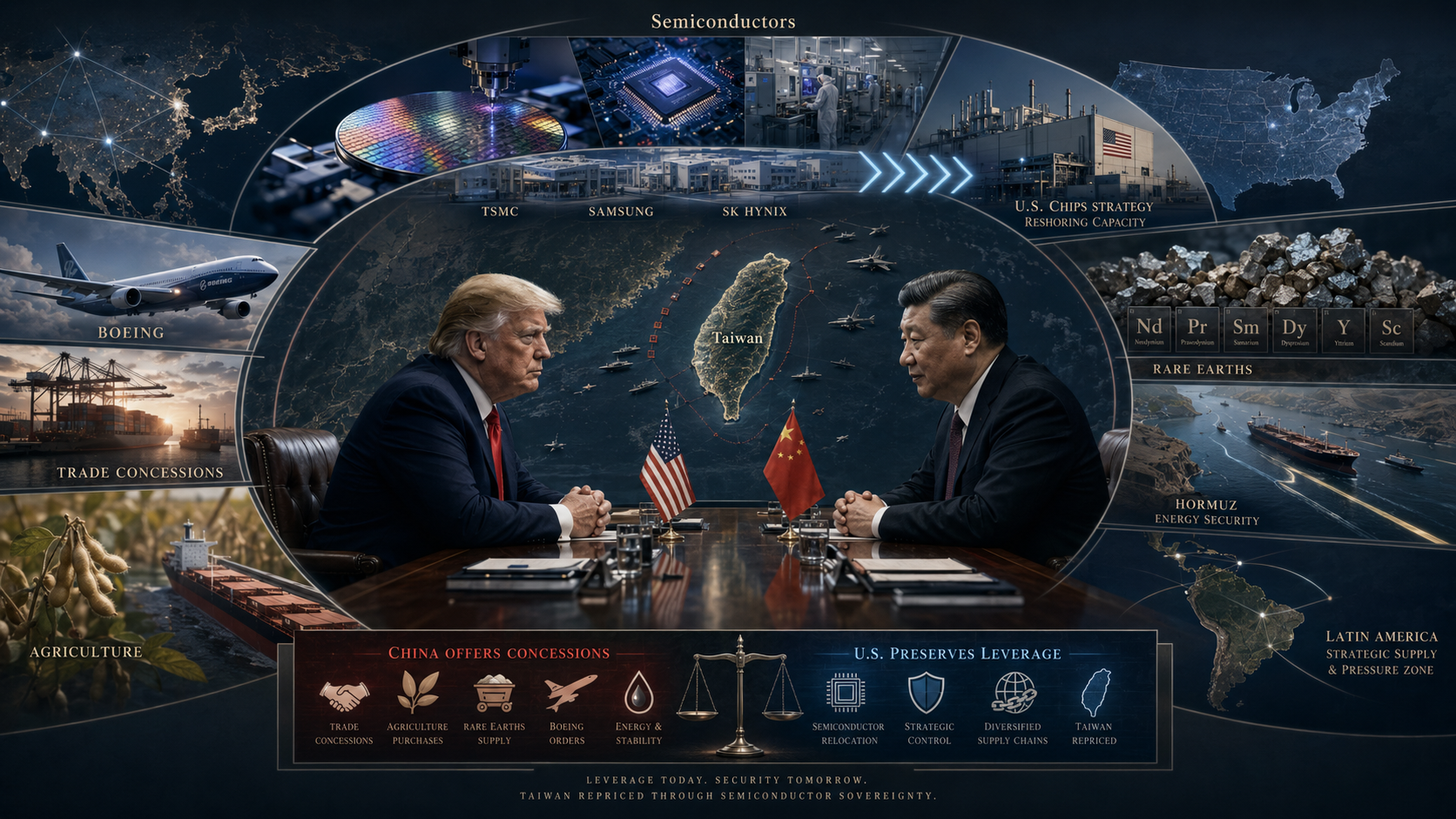
The Xi–Trump Meeting and the Repricing of Taiwan
The Xi–Trump meeting was publicly framed as a trade and diplomatic event, but the deeper issue was Taiwan.
China appeared to offer concrete economic concessions — agriculture, Boeing, market access, rare earth discussions, and energy-transit alignment — while the United States preserved strategic ambiguity and kept its semiconductor relocation strategy intact.
The core shift is not the immediate abandonment of Taiwan. It is the gradual repricing of Taiwan’s strategic value as the United States redirects future semiconductor capacity, packaging, talent, and dependency into its own industrial base.
For institutions, the risk is misreading the meeting as a conventional trade negotiation. The more important signal is that Taiwan, semiconductors, Korea, Hormuz, rare earths, and China’s economic fragility are becoming part of one strategic pricing system.
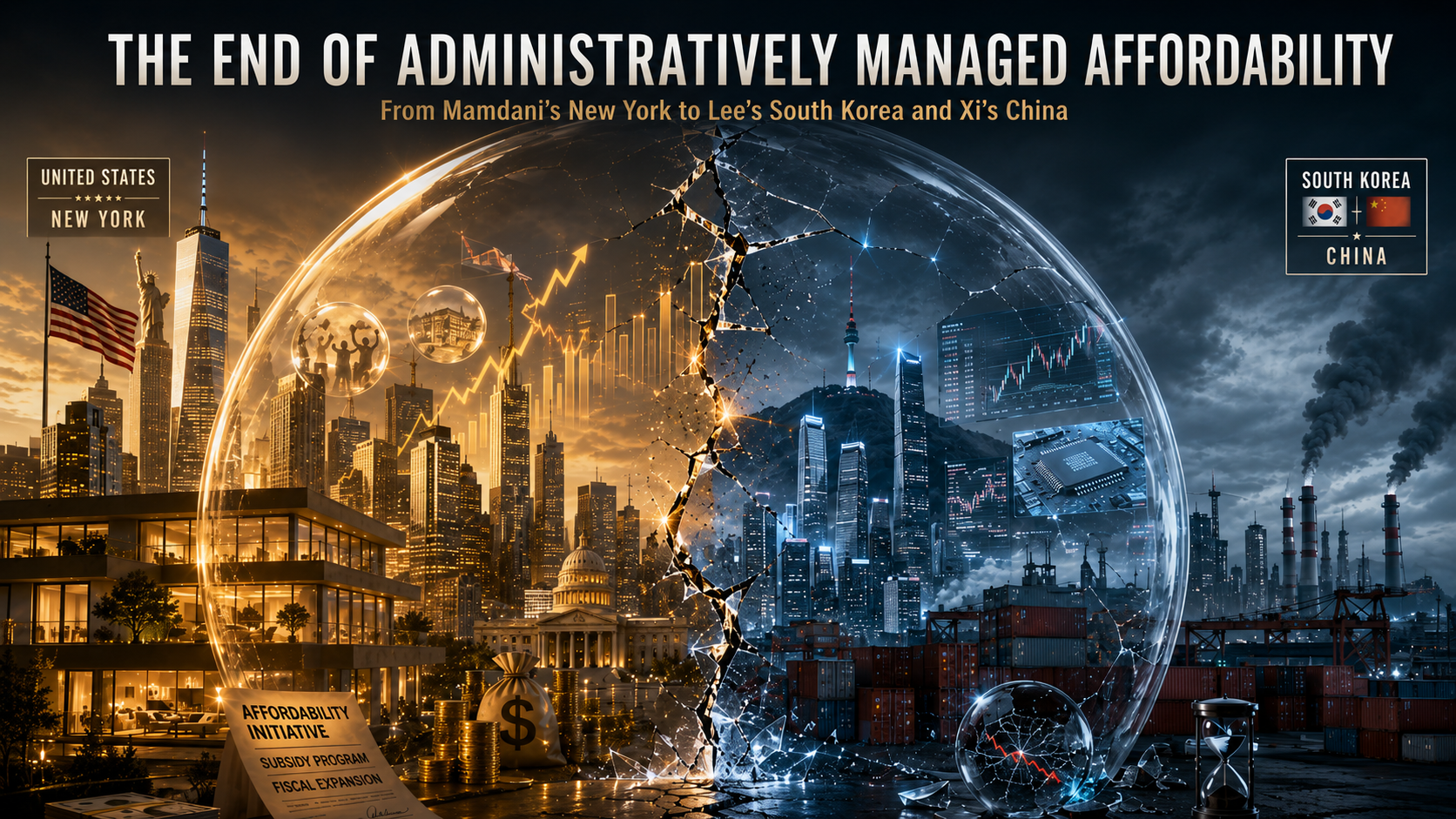
The End of Administratively Managed Affordability
From Mamdani’s New York to Lee’s South Korea and Xi’s China, a common political reflex is becoming visible: governments are trying to convert structural cost pressure into administratively managed affordability.
Rent freezes, subsidies, fiscal expansion, selective taxation, industrial support, and market narratives can provide short-term relief. But they do not eliminate the underlying economic constraint. They transfer it.
The central risk is not immediate collapse. It is the rising cost of preserving visible stability after structural balance has already begun to fail.
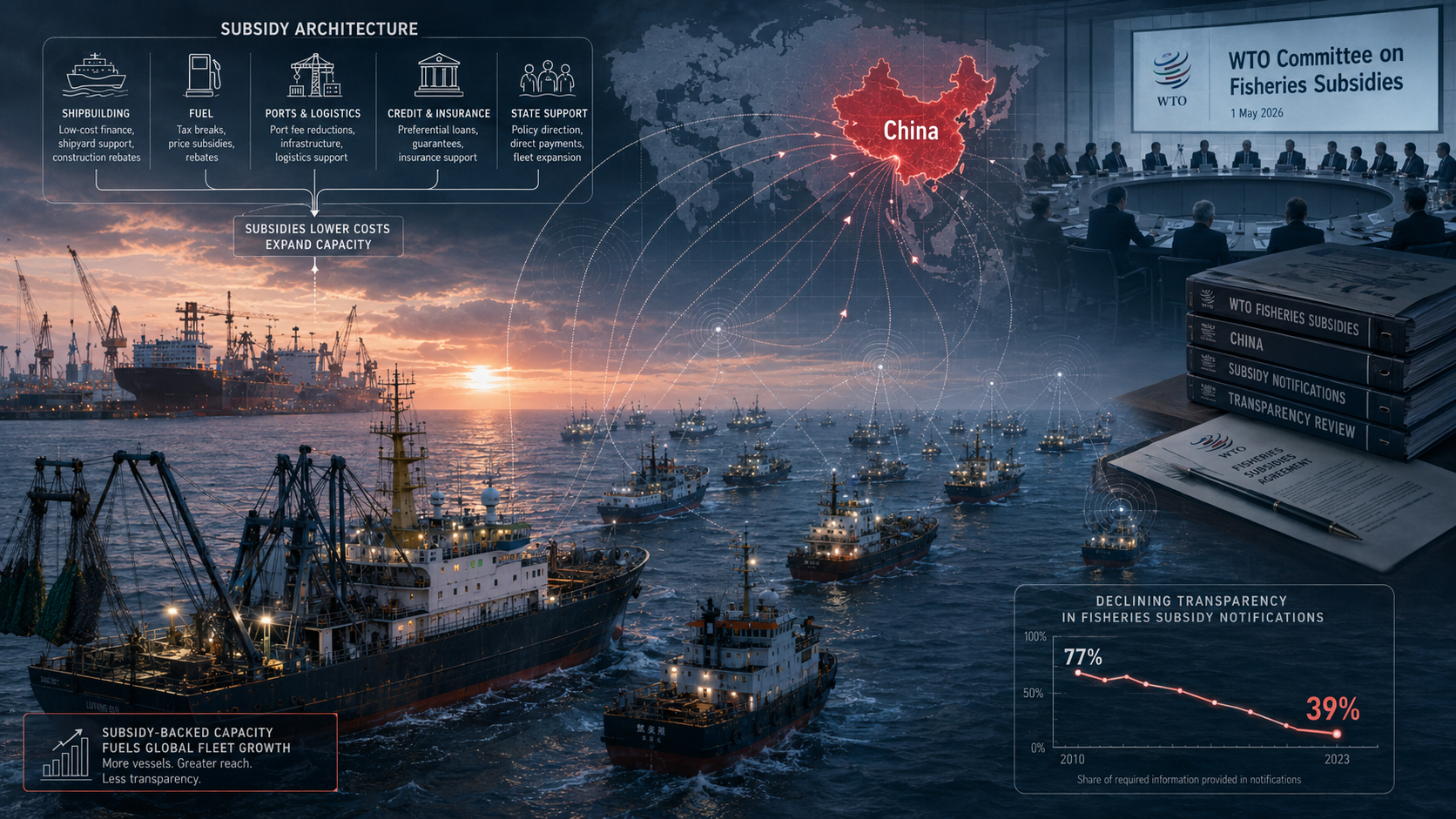
WTO Fisheries Subsidies, China’s Overcapacity Model, and the Hidden Cost of Maritime Reach
The WTO’s first regular Committee on Fisheries Subsidies meeting marks a shift in how harmful fishing should be understood. IUU fishing is no longer only a maritime enforcement problem; it is becoming a subsidy-transparency and trade-governance issue.
For BBIU, China is the central stress test. Its distant-water fleet sits at the intersection of shipbuilding, fuel support, port logistics, credit, insurance, food-security pressure, industrial overcapacity, and maritime reach. The issue is not only whether individual vessels violate fishing rules, but whether state-supported capacity is being normalized as ordinary commercial activity.
The useful lesson is simple: do not analyze subsidized capacity only by what it claims to be. Analyze what it enables.
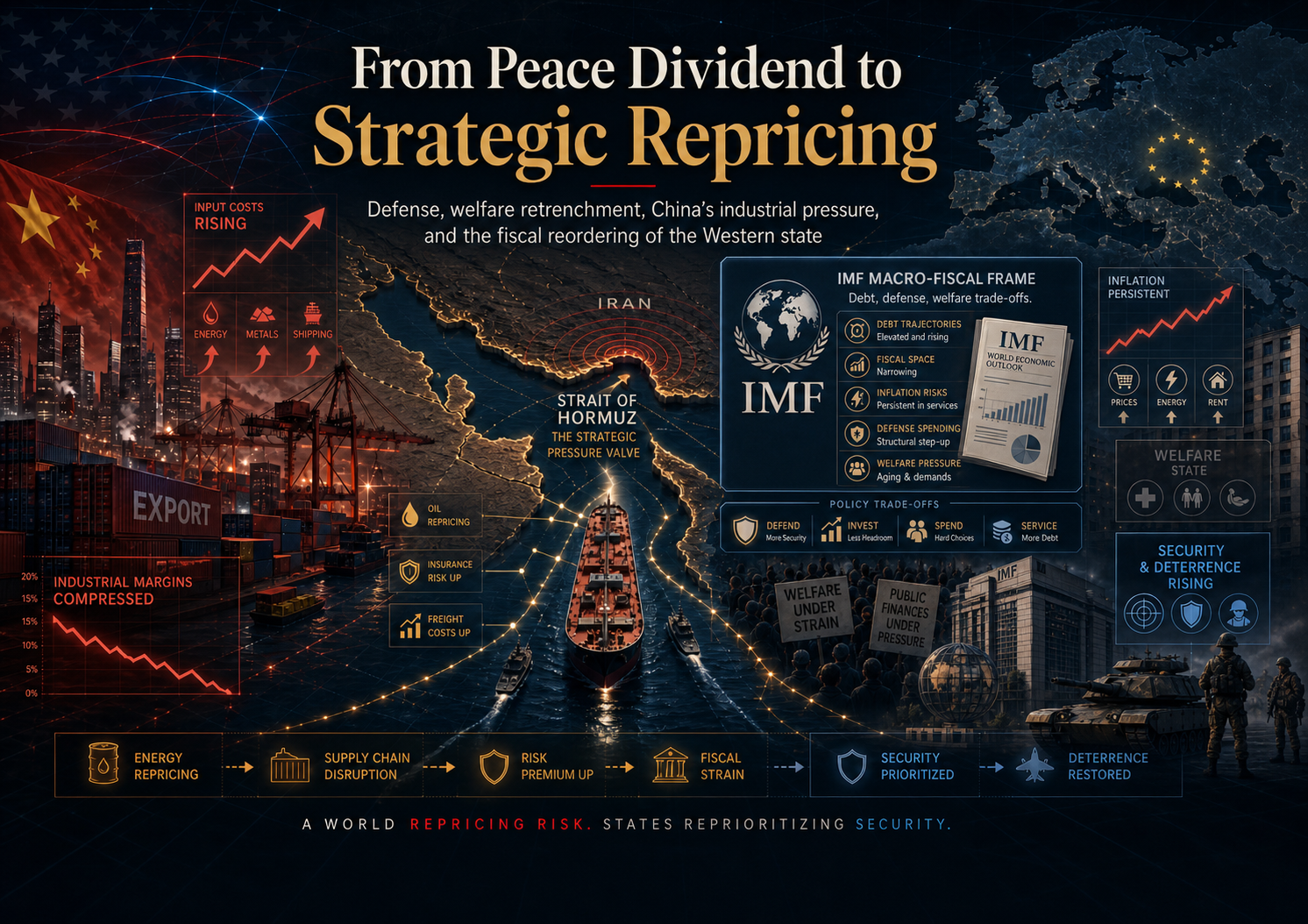
From Peace Dividend to Strategic Repricing
The post-Cold War peace dividend is ending. What appears to be a debate over defense spending is, in fact, a broader repricing of sovereignty: energy access, deterrence, welfare commitments, migration pressure, and China’s industrial cost structure are now converging inside one fiscal-security system.
The IMF correctly identifies that war and defense spending impose hard choices. But the deeper issue is that underinvestment in defense also carries a cost — one that becomes visible only when deterrence fails. As the Iran–Hormuz theater pressures energy and input costs, China absorbs industrial margin compression while Europe absorbs inflation, welfare strain, and the political burden of rearmament.
The new strategic environment is forcing states to decide what they are willing to pay for sovereignty before the cost of not paying becomes irreversible.
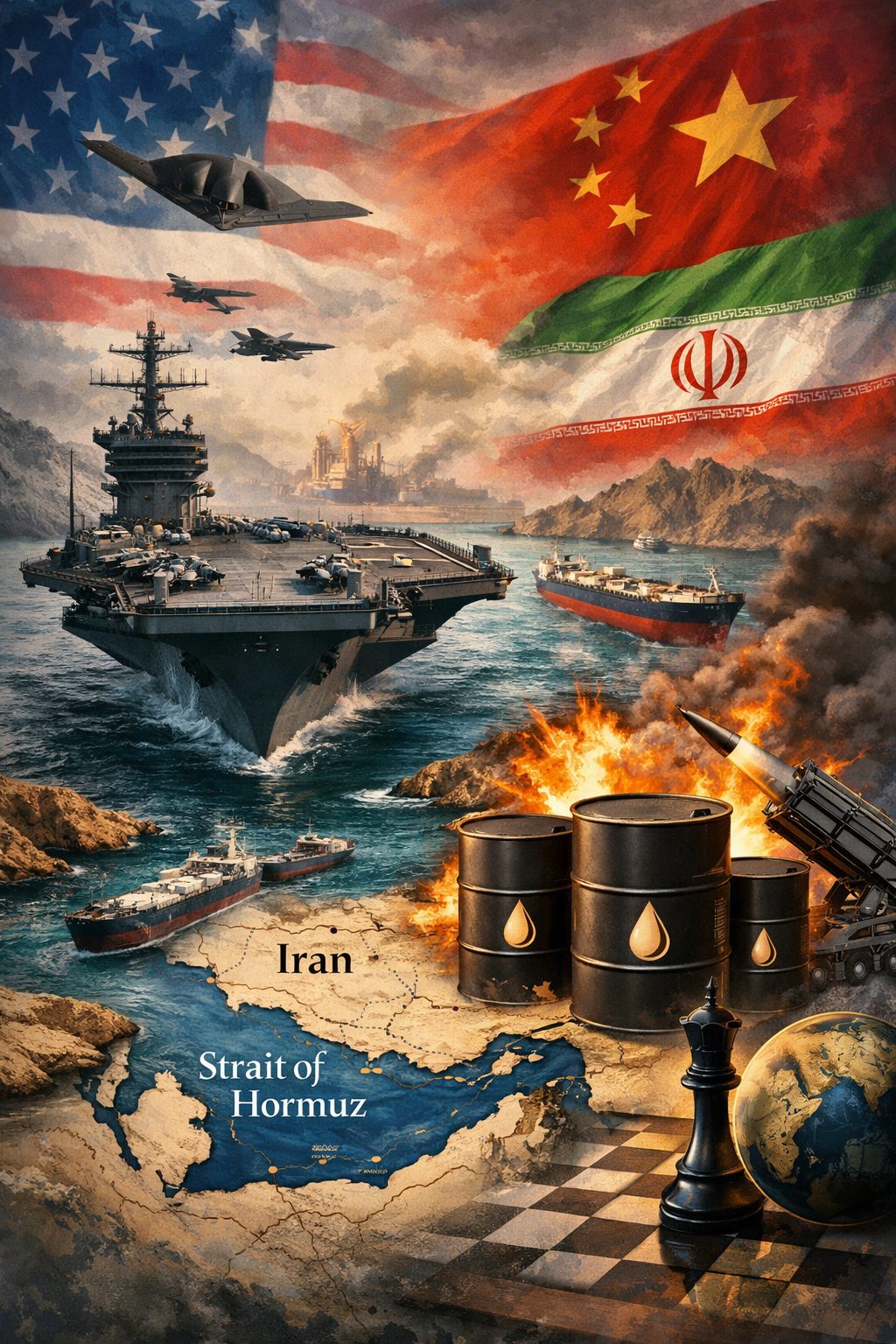
The Iran Conflict, Hormuz, and the Transfer of Strategic Pressure Across the U.S.–China System
The Iran conflict is no longer just a regional war. It is becoming a broader test of who controls strategic access, how energy risk is redistributed, and whether the Strait of Hormuz remains a neutral corridor or turns into a politically managed valve of pressure across the wider U.S.–China system.
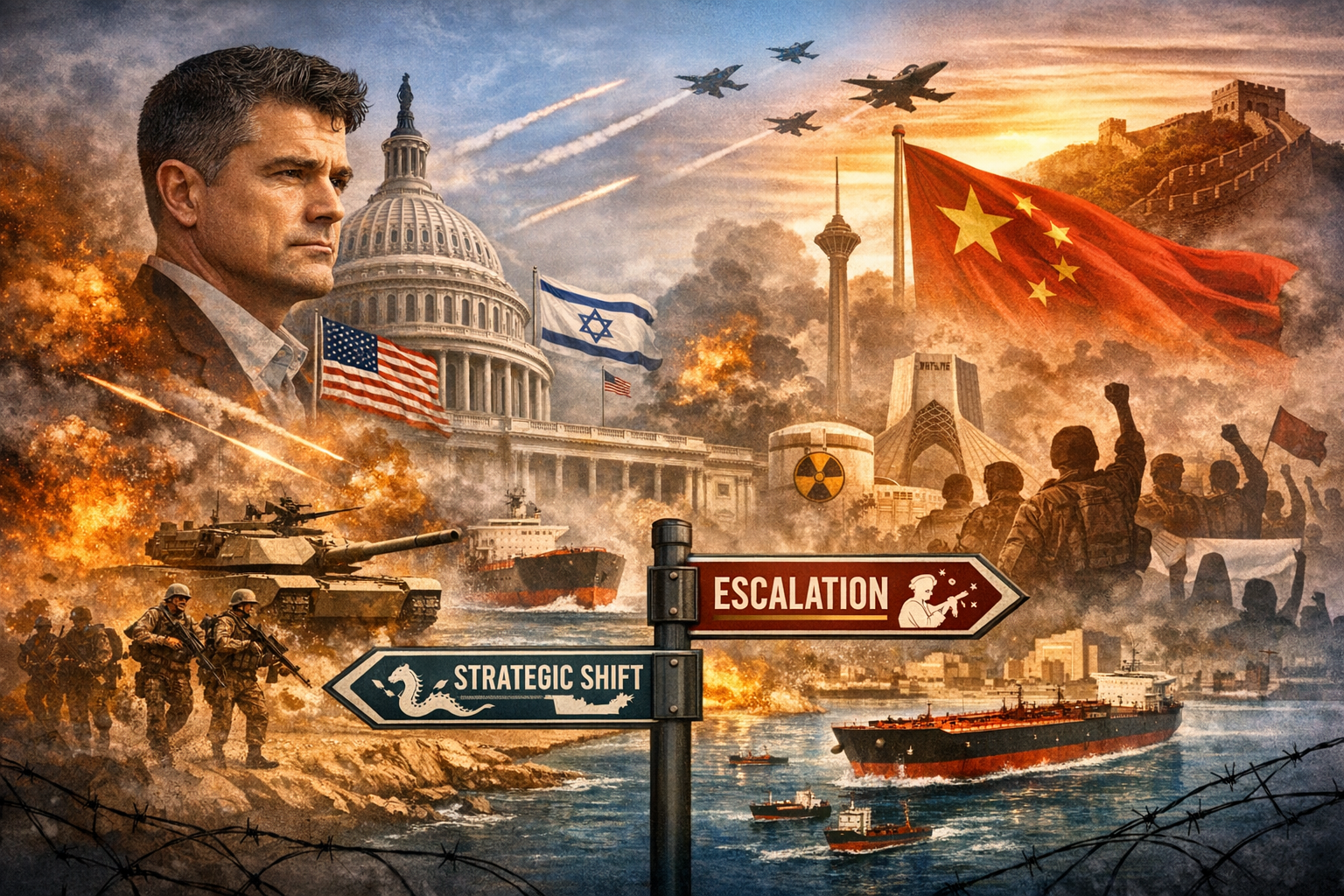
Iran Escalation, Internal Fracture in Washington, and the Strategic Cost of Deviation
What began as a coercive regional maneuver is increasingly behaving like strategic overextension. The conflict has not produced decisive political closure, but it has already consumed legitimacy, strained alliance management, and redirected U.S. attention away from its more consequential long-term priorities. Joe Kent’s resignation made that internal fracture visible. The real question is no longer how to intensify pressure on Iran, but how to contain the damage of a costly deviation before it further erodes Washington’s strategic coherence.

Nexperia After March 2026: Operational Control, Legacy Semiconductor Dependency, and the Structural Exposure of a Split Industrial System
The March 2026 escalation in the Nexperia dispute exposed more than a corporate governance conflict. It revealed how a legally unified semiconductor company can become operationally divided when systems control, wafer sourcing, and manufacturing continuity begin to detach across jurisdictions. What appeared at first as an IT-access dispute was, in structural terms, a struggle over the operating backbone of a strategically relevant legacy-chip supplier. The case matters not because Nexperia dominates advanced semiconductors, but because it occupies a deeply embedded position in low-cost components whose disruption can propagate rapidly through automotive and industrial supply chains.
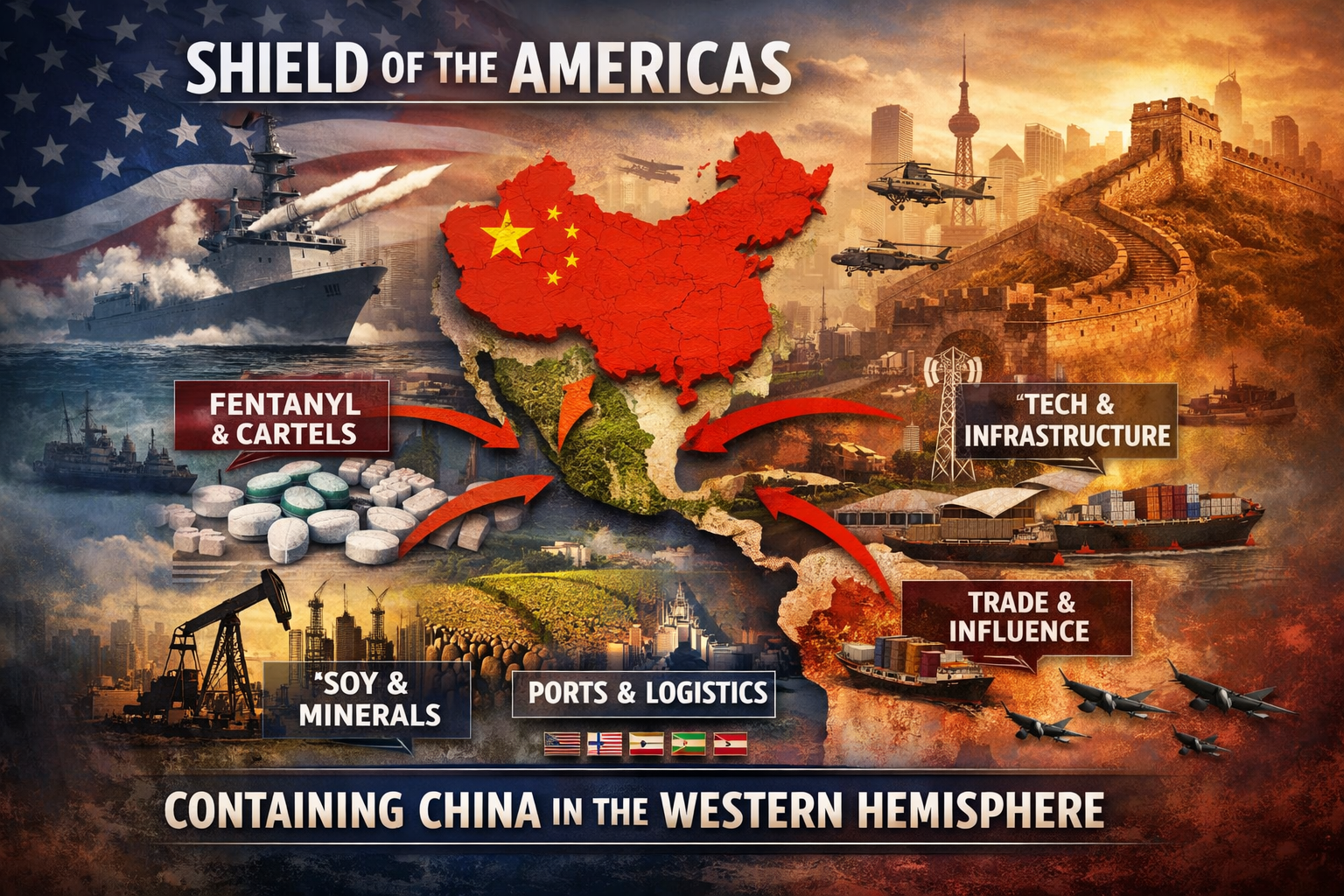
Shield of the Americas and the Strategic Reclassification of Latin America
What was presented as an anti-cartel coalition may signal something broader: a shift in how Washington is beginning to frame Latin America — not only as a neighboring region, but as a strategic-security theater shaped by fentanyl, ports, trade corridors, and growing external influence.