

🟡 Trump Orders Nuclear Submarines Closer to Russia After Medvedev Clash – Kremlin Remains Silent
In a dramatic escalation triggered by a social media exchange, Donald Trump announced he had ordered two U.S. nuclear submarines to move closer to Russia following remarks by former Russian President Dmitry Medvedev. While Trump escalated the rhetoric, the Kremlin remained completely silent. Russian analysts dismissed the move as a “tantrum” without real consequences. With no official response from Moscow, the episode highlights rising symbolic tension between Washington and Moscow and exposes Trump’s use of nuclear deterrence as a tool of personalized pressure.

🟡 Tax Reform Sparks Backlash Amid Market Plunge – Korean Investors Oppose Return to 10B KRW Major Shareholder Threshold
Restoring the ₩10 billion threshold is not a fiscal adjustment—it is a symbolic realignment of who the State protects and who it targets. In punishing long-term investors under the guise of equity, Korea risks hollowing out its own market just as it transfers its industrial capital abroad.

📡 The Energy Axis of Power: United States, OPEC, and the Global Geopolitical Realignment
The global rise in energy prices is not merely a market reaction — it is a structural manifestation of a deeper geopolitical alignment. The United States is no longer trading energy; it is weaponizing it. Through debt-externalizing energy contracts, financial architecture restructuring (GENIUS Act), and enforced dependency cycles, Washington is turning allies into fiscal tributaries and rivals into imploding economies. OPEC is no longer a kingmaker but a cornered vendor. And China, despite inflating M2, is signaling demand that no longer exists. This is not the return of the Cold War — it is the debut of a fiscal imperium masked as global stabilization
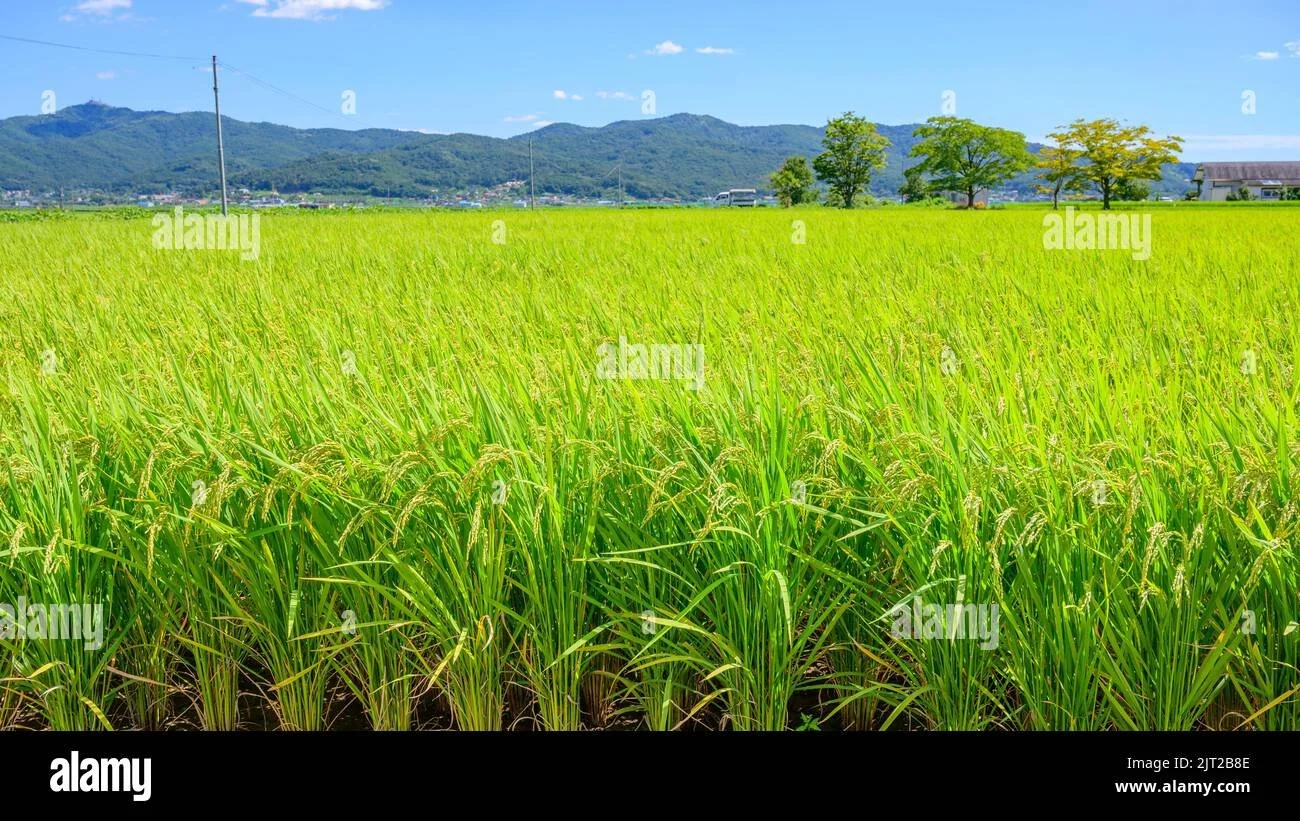
🎭 The Rice Distraction: What They’re Really Trying to Hide
Beyond agriculture, the 2025 U.S.–Korea trade pact exposes Korea to systemic risks: fiscal subordination, legal ambiguity, industrial offshoring, and loss of regulatory sovereignty. This is not trade—it is structured economic displacement.
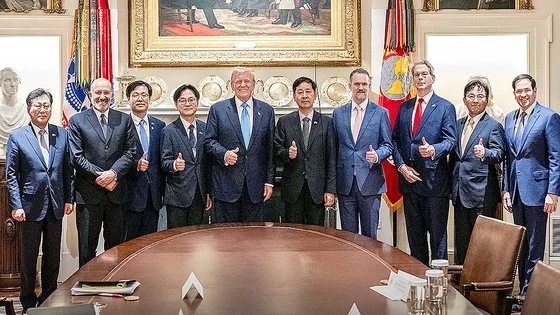
🟡 "U.S.: ‘Rice Also Opened’; Korea: ‘Misunderstanding’ – Contradictory Statements Following Tariff Deal"
Following conflicting claims on rice market access, this article exposes the structural asymmetry behind the Korea–U.S. tariff pact. Far from a misunderstanding, it reflects a staged sequence of fiscal and symbolic extraction enabled by legal ambiguity and narrative dissonance.
🕰️ Waiting for the Succession – How Trump Turned Xi’s Fall Into Leverage
Trump isn’t negotiating with China—he’s waiting.
As Xi Jinping weakens politically and economically, the White House is betting on his collapse. When a new, desperate leader emerges, Trump will strike—not to compromise, but to extract.
After securing over $1.7 trillion in concessions from Korea, Japan, and the EU, Trump has set the price of access.
Now China stands alone—without leverage, without allies, and without time.
This isn’t diplomacy.
It’s temporal domination through symbolic patience.
![1. 🟥 [Yoon Indicted for Genocide Allegations Tied to Medical Collapse]](https://images.squarespace-cdn.com/content/v1/685a879d969073618e9775db/1754016371764-E352VYFTSB2ZBMWN47ZV/0000051431_001_20250731163616865.jpg)
1. 🟥 [Yoon Indicted for Genocide Allegations Tied to Medical Collapse]
As South Korea faces legal tremors following its healthcare collapse, former President Yoon Suk-yeol stands accused of genocide over the deaths of thousands during the 2024–2025 medical strike. But the deeper truth runs beyond one man: the system failed long before the court filings. This was not murder — it was symbolic dereliction, distributed across government, medical institutions, and societal inertia. The real question isn’t legal. It’s structural. And it still remains: who left the patient to die?
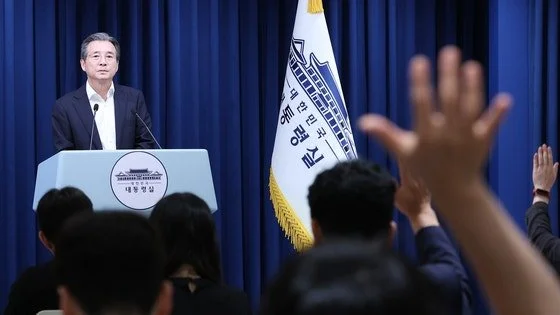
🇰🇷🇺🇸 Korea–U.S. Trade Pact: Symbolic Resistance, Strategic Retreat
“To protect under $1B in rice and beef, South Korea surrendered $450B in industrial capital, lost its FTA auto advantage, and agreed to fund America’s shipbuilding revival under a slogan it didn’t invent.
This wasn’t diplomacy. It was symbolic engineering masking structural extraction.”
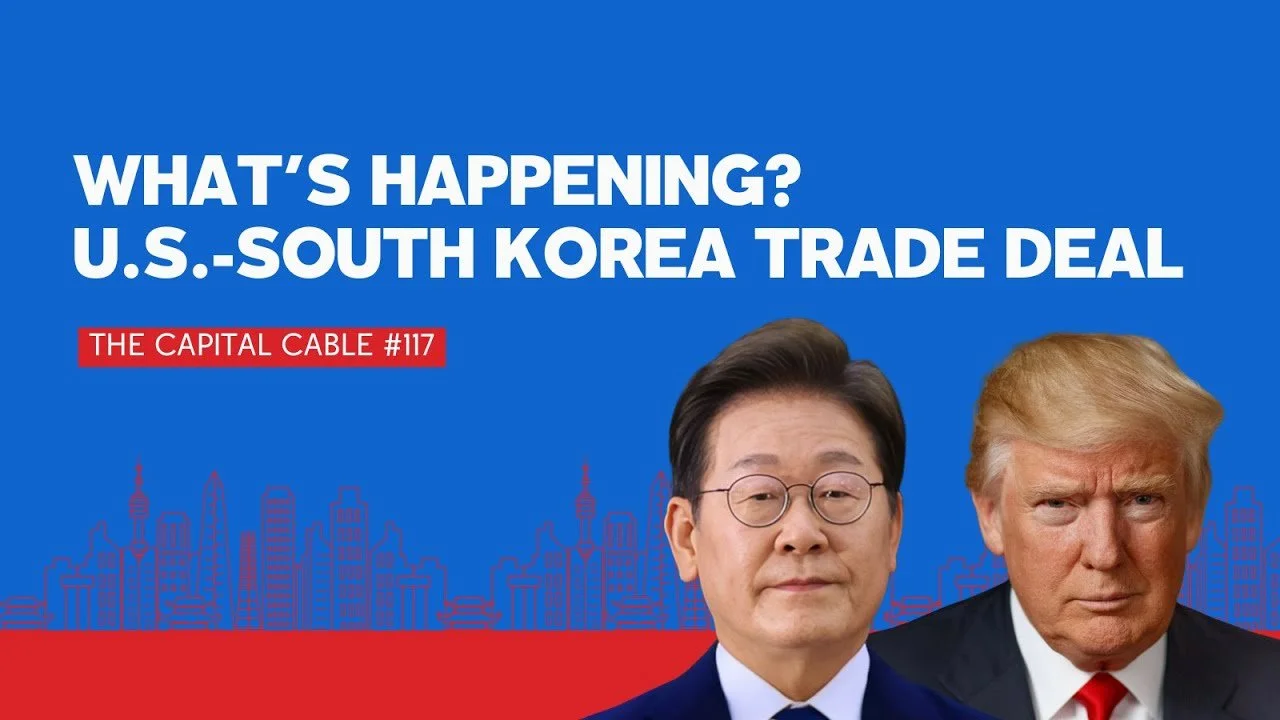
🧭 Three Paths, One Trap: Korea’s Strategic Dilemma in the Execution of the U.S. Pact
In 2025, South Korea committed over $500 billion to the United States—more than its entire foreign reserves. But 90% of the returns will stay in America.
The government of Lee said nothing. Not to deny it. Not to defend it.
What was framed as “cooperation” is, in fact, a licensed capital extraction.
Hanwha and SK benefit. The public pays.
This isn’t just an economic deal. It’s a quiet, irreversible surrender of strategic autonomy.
And when the inflation comes—6%... 8%... maybe more—Koreans won’t just be losing money.
They’ll be losing a country that no longer speaks for them.
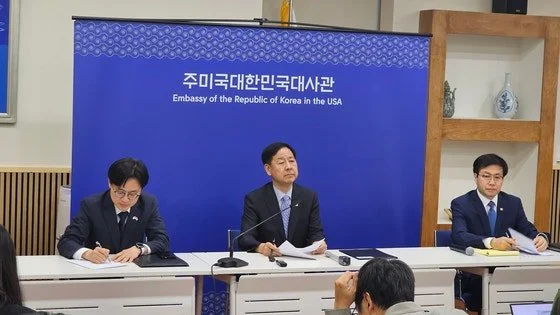
🟡 Diverging Claims on Korea–U.S. Trade Deal: $350B+α vs. $200B Reality
The July 2025 U.S.–Korea trade agreement reveals a disturbing pattern of strategic opacity from the South Korean government. While Washington publicly frames the deal as a $350B+α injection under U.S. control—with 90% of profits remaining in America—Seoul has neither denied this claim nor clarified the legal structure governing capital returns. Instead, Korean officials emphasize a $150B shipyard fund led by Hanwha, using it as a symbolic buffer to deflect scrutiny from the $200B financial package directly tied to U.S.-selected projects. This silence on return rights, legal oversight, and sovereign claim over invested capital raises the unsettling question: Has Korea just financed another country’s industrial future without securing its own?
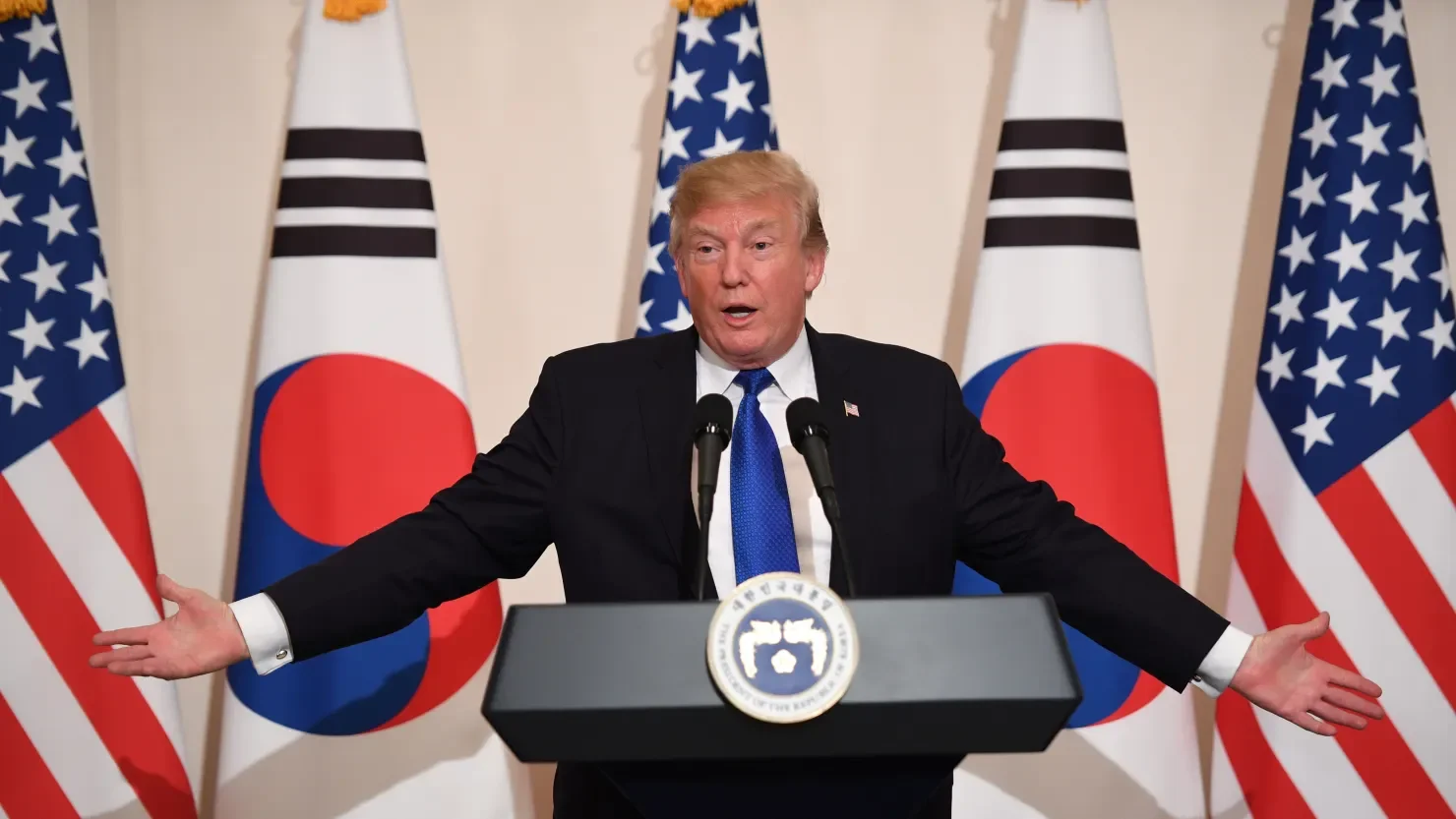
🟡 Trump announces trade deal with South Korea, setting tariffs at 15%
Trump said it plainly:
“$350 Billion owned and controlled by the United States, selected by myself.”
Lee didn’t refute it. He called it a “hurdle overcome.”
While the public focuses on tariff relief and symbolic funds, the real story is unfolding beneath the surface:
– Hanwha leads the $150B shipbuilding relocation.
– Celltrion is already moving biopharma production to the U.S.
– Samsung, Hyundai, SK, and LG are embedding semiconductor, EV, and battery infrastructure across U.S. states.
This deal isn’t about trade—it’s a legal architecture for capital extraction and industrial evacuation, signed by Seoul and controlled from Washington.
The exodus has already begun. And it’s being celebrated as diplomacy.
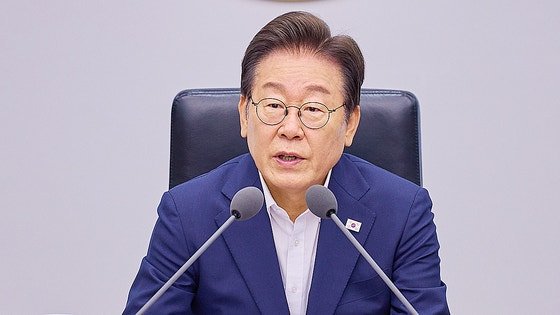
🟡 Lee Declares “We Overcame a Great Hurdle” – $150B Allocated to U.S. Shipbuilding Fund
While President Lee celebrates the $150B shipbuilding fund as a diplomatic win, the true cascade has already begun:
On July 29, Celltrion announced plans to acquire a U.S. pharma plant to avoid a 200% tariff—investing over $500M.
This marks Phase Two of Korea’s industrial externalization.
What started with Hanwha in shipbuilding is now unfolding in biopharma.
And it will not stop there.
The Lee administration isn’t resisting.
It’s legitimizing the transfer—and calling it “global expansion.”
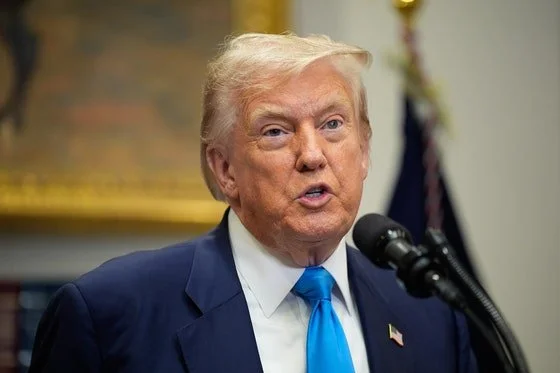
🟡 U.S.–South Korea Trade Agreement: Tariff Reduction to 15% and $350B Investment Deal
🇰🇷 Korea signed a $450B deal not as a sovereign negotiator—but as a fragmented state under pressure.
While Japan leveraged unity to secure strategic gains, Korea gave up $350B in capital and $100B in LNG purchases with no structural guarantees. The Lee government, isolated from its own chaebol, turned a trade threat into a binding instrument of extraction.
If the conglomerates leave, who will consume the gas?
If the won falls, how will Korea pay?
This is not partnership. This is coerced alignment masked as diplomacy.
🟡 MAGA Is Turning on Israel Over Gaza, but Trump Is Unmoved
"You cannot claim to expose a humanitarian catastrophe while concealing the hand that weaponized hunger.
If Israel is judged for destruction, Hamas must be judged for obstruction.
What is omitted in narrative is often more corrosive than what is claimed."
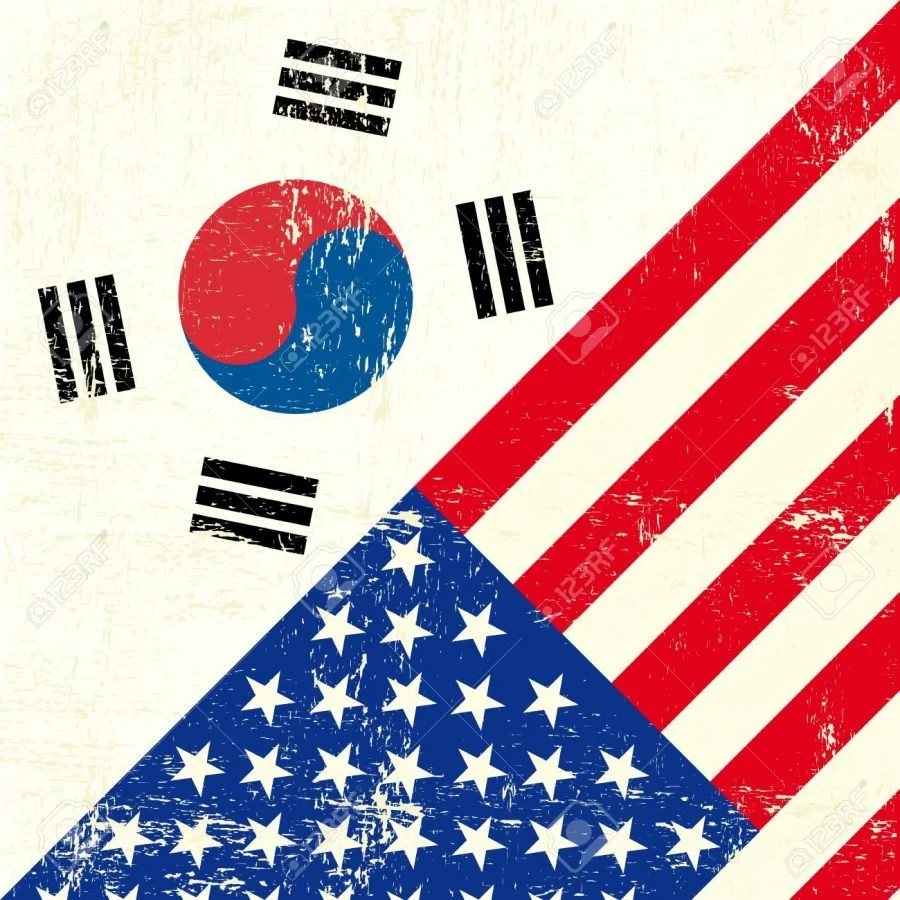
🇰🇷 Korea at a Crossroads: When Power Becomes More Important Than the Country
"What if Korea’s current crisis isn’t a mistake—but a method? Behind the headlines, a quiet architecture is taking shape: dismantle old alliances, pressure private actors, rewrite the legal code, and rebuild a nation around one man’s survival. This isn’t reform. It’s rupture by design. And if we don’t speak now, we may wake up in a Korea we no longer recognize."
South Korea at Risk of Losing ESTA Privileges: Structural Weaknesses and Geopolitical Signals
As South Korea’s visa rejection rate rises to 8.65%—nearly triple the threshold for the U.S. Visa Waiver Program—concerns mount over systemic misuse of ESTA by young professionals and business travelers. Over 5,400 Korean nationals have been deported or denied entry in the last 10 months alone.
A potential suspension of ESTA access would mark not only an administrative shift, but a symbolic fracture in U.S.–Korea trust dynamics. The Biopharma Business Intelligence Unit (BBIU) outlines the structural weaknesses, geopolitical signals, and urgent strategic steps required to mitigate institutional fallout.
“ESTA is not a right—it’s a reversible privilege,” the report concludes.
🟡 U.S.–EU Mega Trade Pact: Deal or Capitulation?
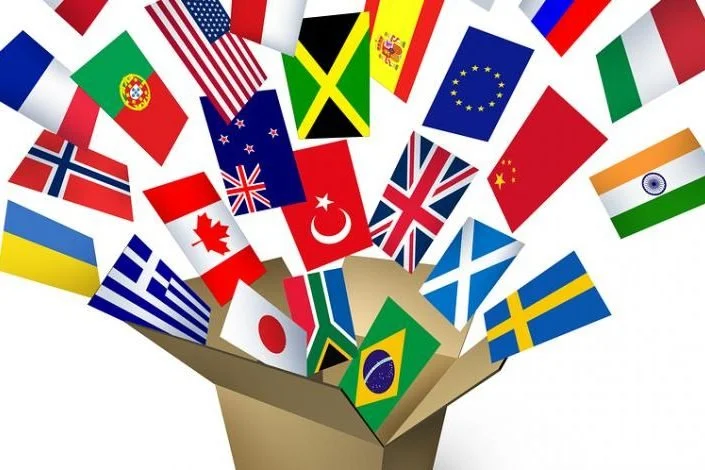
“This trade agreement marks a structural realignment of EU–U.S. relations—from reciprocal negotiation to leverage-based submission. While Germany pragmatically accepts reduced tariffs, nations like France and Belgium voice symbolic dissent. The EU gains short-term relief but concedes long-term strategic positioning, as Trump’s volatility-for-concessions model reshapes the transatlantic balance.”
![[Yellow Envelope Act Clears Committee: A Structural Shift in Korean Labor Law]](https://images.squarespace-cdn.com/content/v1/685a879d969073618e9775db/1753747259081-KT7S6G30FH44KZ9V6W4U/0002758401_001_20250729070809199.jpg)
[Yellow Envelope Act Clears Committee: A Structural Shift in Korean Labor Law]
"The Yellow Envelope Act may appear as progress for subcontracted workers, but in reality, it sidesteps the structural reforms South Korea truly needs. By removing liability for union-led damages and blurring employer definitions, it risks eroding property rights, legal predictability, and enterprise meritocracy. True labor justice must be built on performance, accountability, and shared responsibility—not on symbolic concessions that deepen systemic imbalance."
🟡 Trump, E.U. Reach Contours of Trade Deal With 15% Tariffs
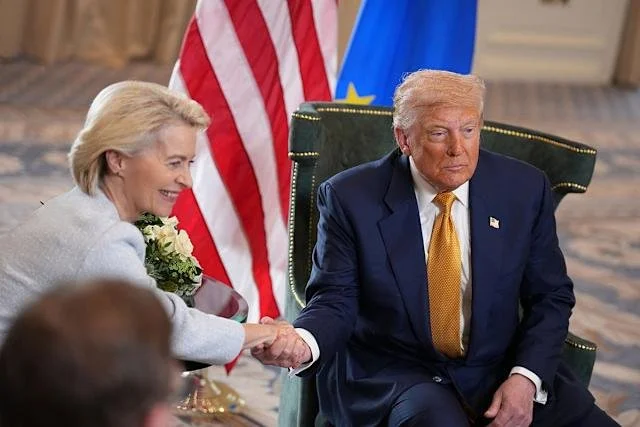
Korea stands at the edge of a new global order—an architecture defined not by treaties, but by transactional allegiance. As Japan, the EU, and the UK buy their way into privileged access to the U.S. market through massive investment and defense alignment, South Korea hesitates. Yet hesitation in this new regime is not neutrality; it is exclusion. President Lee Jae-myung faces not a diplomatic negotiation, but a structural recalibration—where sovereignty must be bargained, or forfeited.
![🟥 [Executive Order: Preventing Woke AI in the Federal Government]](https://images.squarespace-cdn.com/content/v1/685a879d969073618e9775db/1753412499137-N96IV4KXRPJJEAEG7FY2/President_Donald_Trump_signing_executive_orders_%2804%29.jpg)
🟥 [Executive Order: Preventing Woke AI in the Federal Government]
As the U.S. moves to prohibit “Woke AI” in federal systems, the debate transcends politics. This is a structural defense of symbolic coherence, institutional clarity, and cognitive integrity in the age of ideological infiltration—both domestic and foreign.