

Amazon Reportedly Considers a $7 Billion Acquisition of Decart AI
Reuters reported that Amazon was discussing an acquisition of Decart AI potentially valued at approximately $7 billion.
Decart develops real-time generative AI systems, including Lucy for live video transformation and Oasis for simulated environments.
The company was valued at approximately $4 billion in May 2026, when it raised $300 million in a financing round led by Radical Ventures.

IMF–World Bank Meetings: Energy Inflation and Sovereign Debt Are Becoming a Combined Risk
Reuters reported that the annual meetings of the International Monetary Fund and World Bank in Bangkok would focus heavily on the Middle East energy shock, rising financing costs, and sovereign debt.
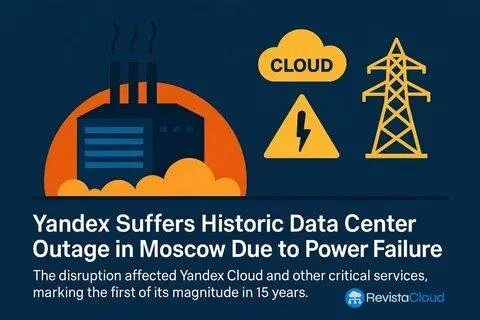
Yandex: Drone Attacks Expose the Physical Concentration of AI Infrastructure
Yandex reported that a drone attack had forced the complete shutdown of its data center in Russia's Vladimir region.
The company acknowledged service disruptions but reported no injuries.

Strait of Hormuz: Military Enforcement Adds Another Constraint to Global Energy Supply
Reuters reported that U.S. Central Command had disabled a Panama-flagged cargo vessel in the Gulf of Oman after it allegedly attempted to breach the U.S. naval blockade of Iran.

Bundibugyo Ebola: Negative Surveillance Results Do Not Resolve the Vaccine Development Gap
Kenya's Ministry of Health reported no additional Ebola infections following testing of 293 samples associated with 289 alerts. Of 122 identified contacts linked to the country's first imported case, 108 were in quarantine and had not developed symptoms.

Nvidia Reportedly Considers Acquiring Reflection AI — Expanding Control Beyond Hardware
Nvidia’s reported interest in acquiring or deepening its investment in Reflection AI suggests a push beyond hardware toward greater control of the AI stack. The strategic question is whether vertical integration into models and applications strengthens Nvidia’s ecosystem—or creates conflicts with the independent developers and customers that currently depend on its infrastructure.
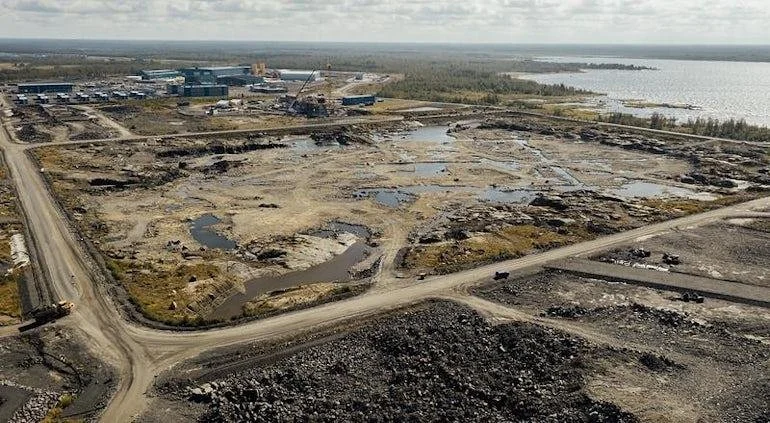
Rosatom–Fennovoima Arbitration: Contract Termination Found Improper, but Financial Award Favors Finland
The Rosatom–Fennovoima arbitration shows that geopolitical contract disputes can produce outcomes that are legally and economically counterintuitive. A party may lose on the validity of termination yet still emerge with a favorable net financial award, highlighting why long-duration infrastructure projects must be assessed not only for contractual enforceability, but also for recoverability, political risk, and the cost of exit.

India Intervenes in Oil Companies' Dollar Demand as Currency Pressure Intensifies
India’s decision to supply dollars directly to state-owned oil companies shows how energy dependence can become a currency-management problem. The intervention may reduce immediate pressure on the rupee, but it does not remove the underlying external vulnerability

Philips Wins Dutch Shareholder Litigation — but Product-Liability Exposure Remains
Philips’ favorable Dutch court ruling reduces one layer of legal uncertainty around the Respironics recall, but it does not eliminate the broader product-liability, regulatory, and reputational exposure. The strategic question is how much residual risk should remain embedded in valuation after governance claims weaken but operational and litigation consequences persist.
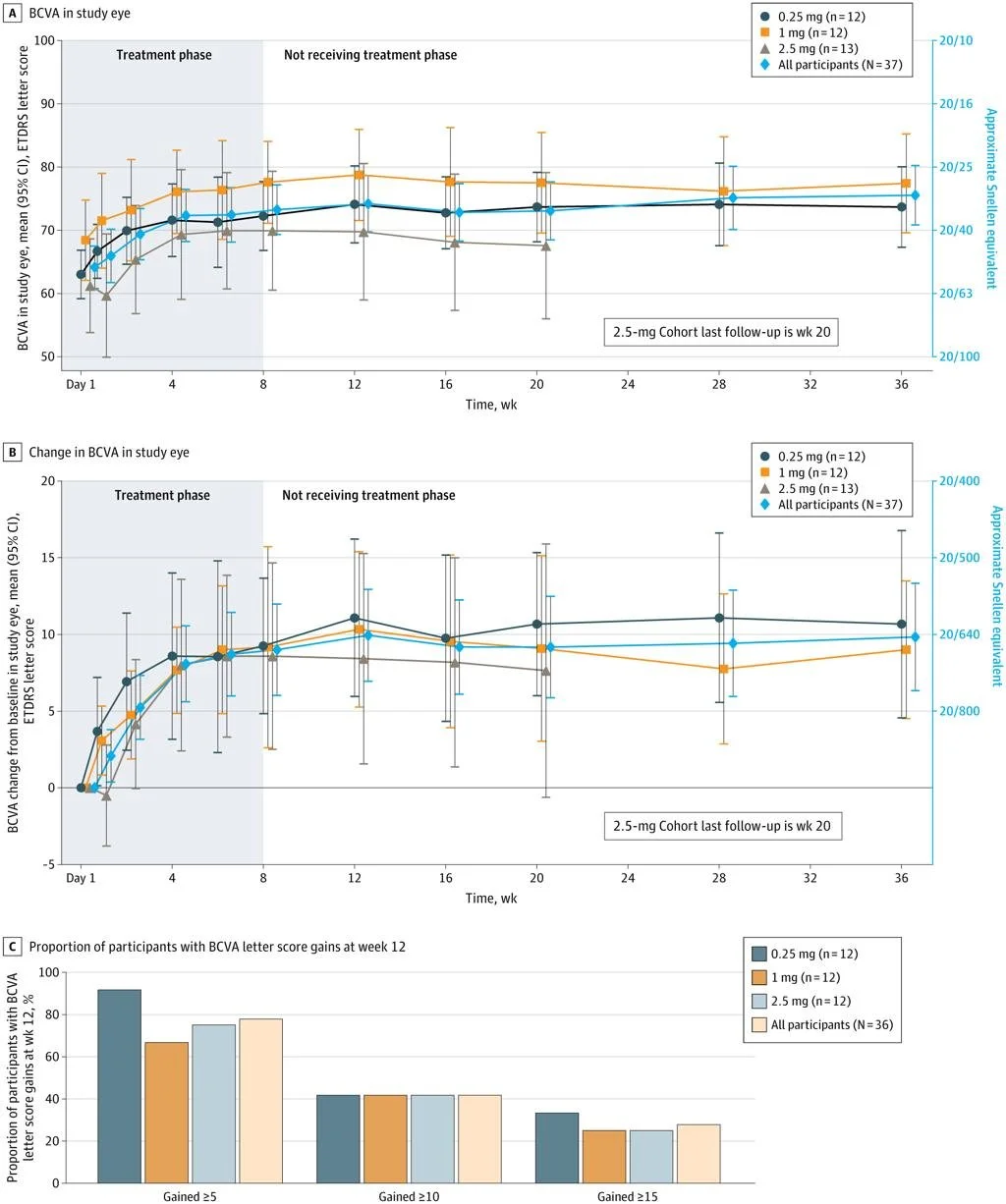
Roche's Vamikibart: Sustained Phase III Benefit, but a Regulatory Evidence Question Remains
Roche’s new 52-week vamikibart data strengthen the case for sustained clinical benefit in uveitic macular edema, but they do not erase the inconsistency between the original Phase III primary outcomes. The key question is whether durable efficacy across the total evidence package will be sufficient to support regulatory confidence, reimbursement, and meaningful differentiation from existing treatment options.
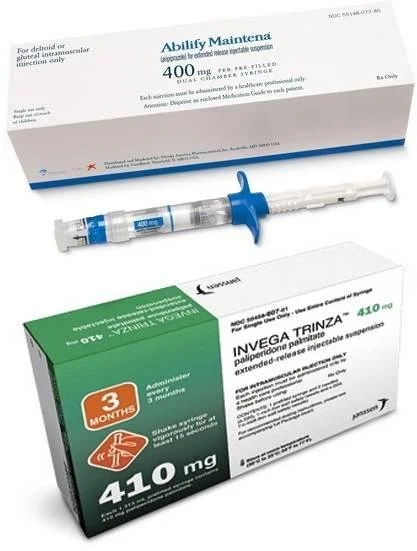
FDA approves Teva–Medincell monthly olanzapine injection — removing a major treatment-delivery constraint
FDA approval of once-monthly subcutaneous olanzapine shows how drug-delivery innovation can extend the commercial value of an established molecule. The key question is whether removing loading, oral supplementation, and mandatory post-injection monitoring can meaningfully improve adherence, workflow, and total treatment economics despite olanzapine’s persistent metabolic liabilities.

SoftBank reportedly seeks up to $100 billion from Gulf investors — expanding its AI capital-formation strategy
SoftBank’s reported effort to raise up to $100 billion from Gulf investors highlights how AI expansion is increasingly becoming a capital-formation challenge rather than only a technology race. The strategic question is whether external financing can spread risk efficiently—or simply multiply exposure to the same underlying assumptions about AI adoption, productivity, and future returns.

U.S. authorizes Russian diesel transactions — energy inflation begins reshaping sanctions policy
The U.S. decision to temporarily authorize transactions involving Russian-origin diesel shows how energy inflation can reshape sanctions policy. The key question is whether additional supply will materially ease refined-product prices or simply reroute existing trade flows while creating new dependencies that may be difficult to unwind.
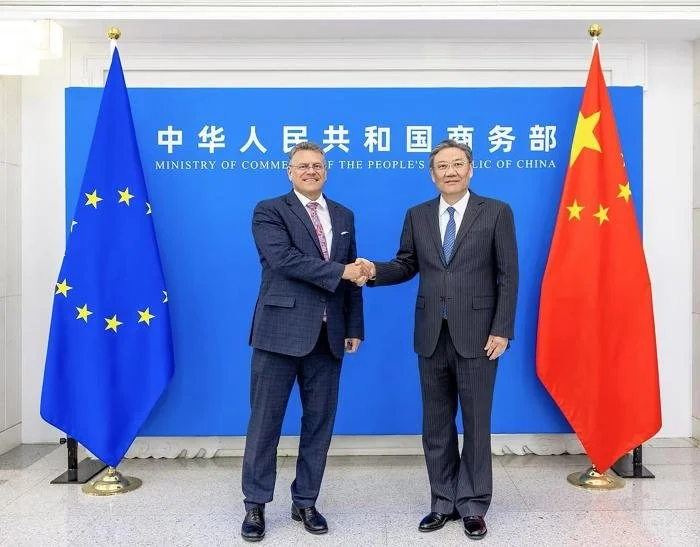
EU–China trade understanding opens a new negotiation phase — with medical-device market access still unresolved
EU–China trade negotiations are expanding beyond autos into broader market-access issues, including medical devices. The strategic question is whether negotiated concessions will materially change procurement barriers and localization incentives, or simply reduce political friction without altering the commercial economics for manufacturers.

FDA grants Natera Breakthrough Device designation for multi-cancer early detection
Natera received FDA Breakthrough Device designation for its investigational multi-cancer early detection blood test, marking another regulatory step in the rapidly evolving MCED field. The designation may accelerate regulatory interaction, but it does not establish clinical utility, reimbursement readiness, or evidence that earlier detection will translate into improved patient outcomes.

Federal Reserve identifies AI investment as an emerging source of inflation and capital-market pressure
AI investment is beginning to matter beyond the technology sector. As data centers, power infrastructure, construction, and corporate borrowing expand, the AI build-out can add inflationary pressure and push up the cost of capital needed to finance further growth. The strategic question is whether AI infrastructure can generate enough productivity and revenue to justify the financial conditions it is helping to tighten.

FDA approves Novartis remibrutinib for symptomatic dermographism — extending the commercial reach of oral BTK inhibition
FDA approval of remibrutinib in symptomatic dermographism expands the commercial reach of oral BTK inhibition beyond chronic spontaneous urticaria. The strategic question is whether indication expansion can translate mechanistic validation into durable clinical and commercial value across immune-mediated diseases, rather than simply adding another statistically positive use case.

Iran threatens alternative Hormuz shipping routes — the conflict moves toward transportation-network control
Iran’s pressure around the Strait of Hormuz is increasingly shifting the risk from oil production to energy access. Even when crude remains available, threats to shipping routes, insurance, tanker availability, and alternative export corridors can keep delivered energy costs elevated. The strategic question is no longer simply whether Hormuz is open, but how much reliable export capacity remains economically usable.

Firmus abandons its multibillion-dollar IPO — a warning about AI infrastructure valuation
Firmus Technologies’ withdrawn IPO highlights a critical distinction in the AI infrastructure boom: strong demand for compute does not automatically justify every infrastructure valuation. As capital requirements rise, investors are increasingly likely to differentiate between projected capacity, contracted demand, and assets that are actually financed, connected, operational, and generating cash flow.

Argenx terminates Phase III Sjögren's trial while reporting positive Phase II celiac results
argenx reported two sharply different clinical outcomes on the same day: a Phase III failure for efgartigimod in Sjögren's disease and positive Phase II histological results for FB102 in celiac disease. Together, they highlight a central development question: how far can success in one autoimmune setting justify expansion into another when disease biology, patient heterogeneity and endpoint sensitivity may differ materially?