
![🟡 [Pakistan-Based Terror Group Member Arrested in Itaewon, South Korea]](https://images.squarespace-cdn.com/content/v1/685a879d969073618e9775db/1754712470905-XMZIKZILJMV8GAK3U8JN/96444113.jpg)
🟡 [Pakistan-Based Terror Group Member Arrested in Itaewon, South Korea]
The arrest of a suspected Lashkar-e-Taiba operative in Itaewon is not just a counter-terrorism milestone — it exposes a multi-layer breach in South Korea’s security architecture. From a fictitious business visa to over a year of undetected overstay, the case reveals systemic vulnerabilities that can be exploited by extremist networks and hostile state actors alike. For LeT, Korea was likely a quiet logistics node, not a battlefield — but the route is now proven viable.
![🟡 [Census, Migration and Political Power: Structural Imbalance and Constitutional Boundaries]](https://images.squarespace-cdn.com/content/v1/685a879d969073618e9775db/1754645611400-2DIN24T77FGW2B1WWMUF/webp.webp)
🟡 [Census, Migration and Political Power: Structural Imbalance and Constitutional Boundaries]
🧠 The census must not be weaponized to erase federally induced demographic shifts.
Under the Biden administration, millions of undocumented individuals were relocated across the U.S. without public consent or local coordination.
Now, Trump proposes to exclude them from the census — a move that violates the Constitution.
BBIU proposes a structural alternative:
📌 Count everyone
📌 Differentiate with legal safeguards
📌 Govern what exists — don’t erase it.
First, you count. Then, you decide. But if the State moved the population, it must also measure it.
![🟡 [Lutnick: "US-Built Factories Will Be Exempt from 100% Semiconductor Tariff"]](https://images.squarespace-cdn.com/content/v1/685a879d969073618e9775db/1754611698993-ED5WZ3ZPO9I1XTH0K9P1/0003460682_001_20250808052946649.jpg)
🟡 [Lutnick: "US-Built Factories Will Be Exempt from 100% Semiconductor Tariff"]
In August 2025, Donald Trump unveiled the most coordinated strategic maneuver of his political career: a triad of industrial coercion, monetary pressure, and narrative control. Through forced onshoring of foreign semiconductor giants, public attacks on the Federal Reserve to expand M2, and symbolic inversion of scandals like the Epstein case, Trump is not merely governing—he is redesigning the very architecture of American power. This BBIU analysis dissects the timing, structure, and implications of a strategy that merges electioneering with systemic extraction.
![🟡 [Trump’s 100% Tariff Threat on Semiconductors Exposes Strategic Divide Between Samsung and SK Hynix]](https://images.squarespace-cdn.com/content/v1/685a879d969073618e9775db/1754542764868-G8OR7G2IWXQ2LDT35DTZ/0003921715_001_20250807101307504.jpg)
🟡 [Trump’s 100% Tariff Threat on Semiconductors Exposes Strategic Divide Between Samsung and SK Hynix]
Trump’s threat of a 100% semiconductor tariff is not a protectionist whim—it is a symbolic mechanism to reallocate Korean capital into U.S. territory. Samsung’s stock rises while Hynix falls, not due to performance, but geography. This is industrial selection through coercion. Behind the scenes, Korean conglomerates may be aligning with U.S. objectives, while President Lee is left to legitimize the operation. The tariff is not the point. The message is: “Your capital buys access—but only if it stays here.”
![🟡 [‘Big Balls’ Coristine Assaulted in D.C. – Trump Demands Adult Charges for Juvenile Attackers]](https://images.squarespace-cdn.com/content/v1/685a879d969073618e9775db/1754533179454-LGTXY2CT99UTQKU4FGFK/webp.webp)
🟡 [‘Big Balls’ Coristine Assaulted in D.C. – Trump Demands Adult Charges for Juvenile Attackers]
A brutal assault on a young Trump-era official has reignited the debate on juvenile crime, but beneath the outrage lies a deeper structural truth: today's youth violence is not merely criminal—it's symbolic. In this BBIU analysis, we dissect the collapse of initiation, the rise of false rituals, and present a transformative solution: SERP, the Symbolic Energy Restoration Protocol. More than rehabilitation, it offers lost boys a way back—through labor, structure, and earned reintegration.
![🟡 [U.S. Preliminary Decision on Korean Wire Rod: 0.51% Dumping Margin Assigned to POSCO]](https://images.squarespace-cdn.com/content/v1/685a879d969073618e9775db/1754465975633-NYN75ZRMISEXHP3O0NOH/unnamed+%281%29.jpg)
🟡 [U.S. Preliminary Decision on Korean Wire Rod: 0.51% Dumping Margin Assigned to POSCO]
As global trade shifts and clean-tech infrastructure becomes a geopolitical priority, POSCO is no longer just exporting steel — it is embedding itself into strategic U.S. supply chains. From lithium extraction in Utah to rare earths in Colorado and EV-grade steel in Louisiana, POSCO is transforming into a decentralized resource enabler. This is not diversification. It is a metamorphosis.
![🟡 [Trump Announces Upcoming Tariffs on Chips and Pharma; Markets React Cautiously]](https://images.squarespace-cdn.com/content/v1/685a879d969073618e9775db/1754455064894-G9MAZFYMD3AUCPKPIQJE/6892587be82e9.webp)
🟡 [Trump Announces Upcoming Tariffs on Chips and Pharma; Markets React Cautiously]
"President Trump’s newly announced tariffs on pharmaceuticals and semiconductors signal a deliberate shift toward industrial self-reliance. Rather than punitive in nature, these measures are part of a broader realignment of global supply chains. Affected countries, including India, Germany, Switzerland, Korea, and Taiwan, now face a strategic choice: adapt their manufacturing footprint or renegotiate access under new conditions. For allies, this moment offers both challenge and opportunity—those who retain symbolic value in the supply chain may secure long-term relevance."
![🟡 [U.S. Deploys 'Dark Eagle' in Australia: Hypersonic Dagger Before China’s Second Island Chain]](https://images.squarespace-cdn.com/content/v1/685a879d969073618e9775db/1754445770760-6AMPS2GYM68PBBQF0O8Q/0003921449_001_20250806073614169.jpg)
🟡 [U.S. Deploys 'Dark Eagle' in Australia: Hypersonic Dagger Before China’s Second Island Chain]
Hypersonic missiles like the Dark Eagle do not merely redraw the geography of power — they inaugurate a new phase of symbolic warfare, where anticipation is no longer kinetic, but cognitive. As physical defenses fail against speed, BBIU proposes an epistemic shield: detecting war before it begins, through its narrative distortions.

🟡 Lee’s ‘Vacation Diplomacy’: Preparing for Trump Golf Summit
As President Lee prepares for symbolic diplomacy with Trump, Korea's true negotiators — Samsung, Hyundai, SK On — have already realigned their futures. The government stages press conferences; the conglomerates execute industrial evacuation.
This is not a betrayal. It is a sovereign bypass.
Korea no longer negotiates — it is narrated.
The real deals are made in Texas, Georgia, and Ohio — not Seoul.
The upcoming summit is not leadership. It is consent, post-facto.
BBIU concludes: Korea has entered the post-sovereign phase of statehood.
Its chaebols are not negotiating from within — they are exiting from above.

🟡 Trump Orders Nuclear Submarines Closer to Russia After Medvedev Clash – Kremlin Remains Silent
In a dramatic escalation triggered by a social media exchange, Donald Trump announced he had ordered two U.S. nuclear submarines to move closer to Russia following remarks by former Russian President Dmitry Medvedev. While Trump escalated the rhetoric, the Kremlin remained completely silent. Russian analysts dismissed the move as a “tantrum” without real consequences. With no official response from Moscow, the episode highlights rising symbolic tension between Washington and Moscow and exposes Trump’s use of nuclear deterrence as a tool of personalized pressure.

🟡 Tax Reform Sparks Backlash Amid Market Plunge – Korean Investors Oppose Return to 10B KRW Major Shareholder Threshold
Restoring the ₩10 billion threshold is not a fiscal adjustment—it is a symbolic realignment of who the State protects and who it targets. In punishing long-term investors under the guise of equity, Korea risks hollowing out its own market just as it transfers its industrial capital abroad.
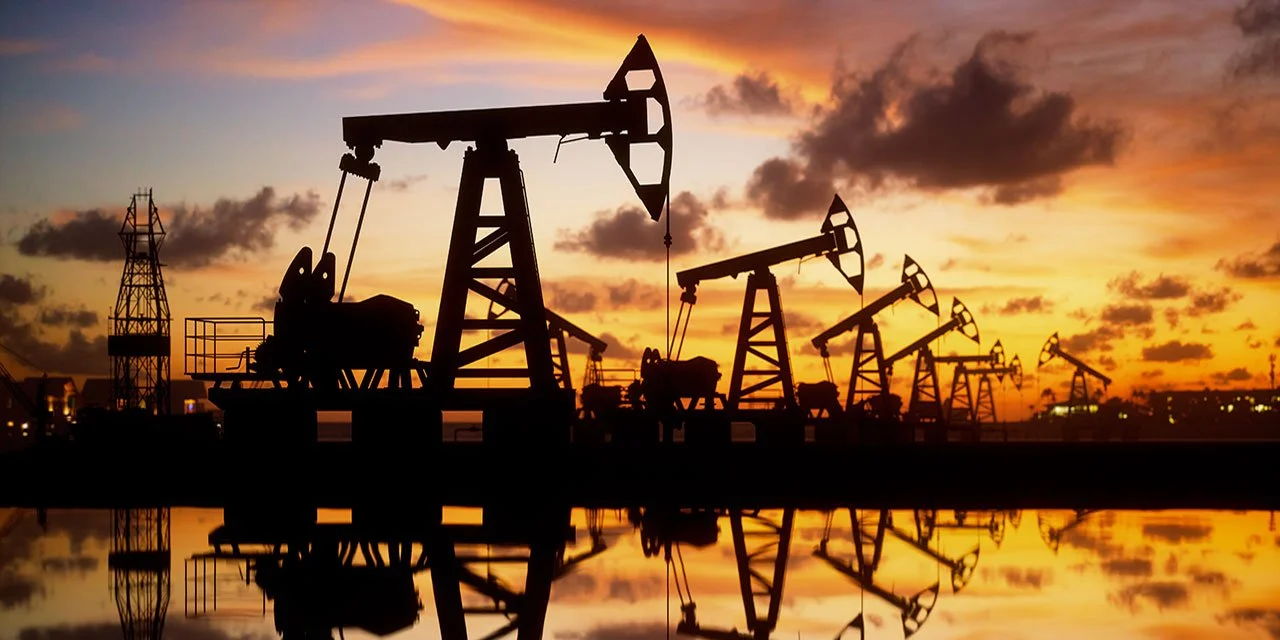
📡 The Energy Axis of Power: United States, OPEC, and the Global Geopolitical Realignment
The global rise in energy prices is not merely a market reaction — it is a structural manifestation of a deeper geopolitical alignment. The United States is no longer trading energy; it is weaponizing it. Through debt-externalizing energy contracts, financial architecture restructuring (GENIUS Act), and enforced dependency cycles, Washington is turning allies into fiscal tributaries and rivals into imploding economies. OPEC is no longer a kingmaker but a cornered vendor. And China, despite inflating M2, is signaling demand that no longer exists. This is not the return of the Cold War — it is the debut of a fiscal imperium masked as global stabilization
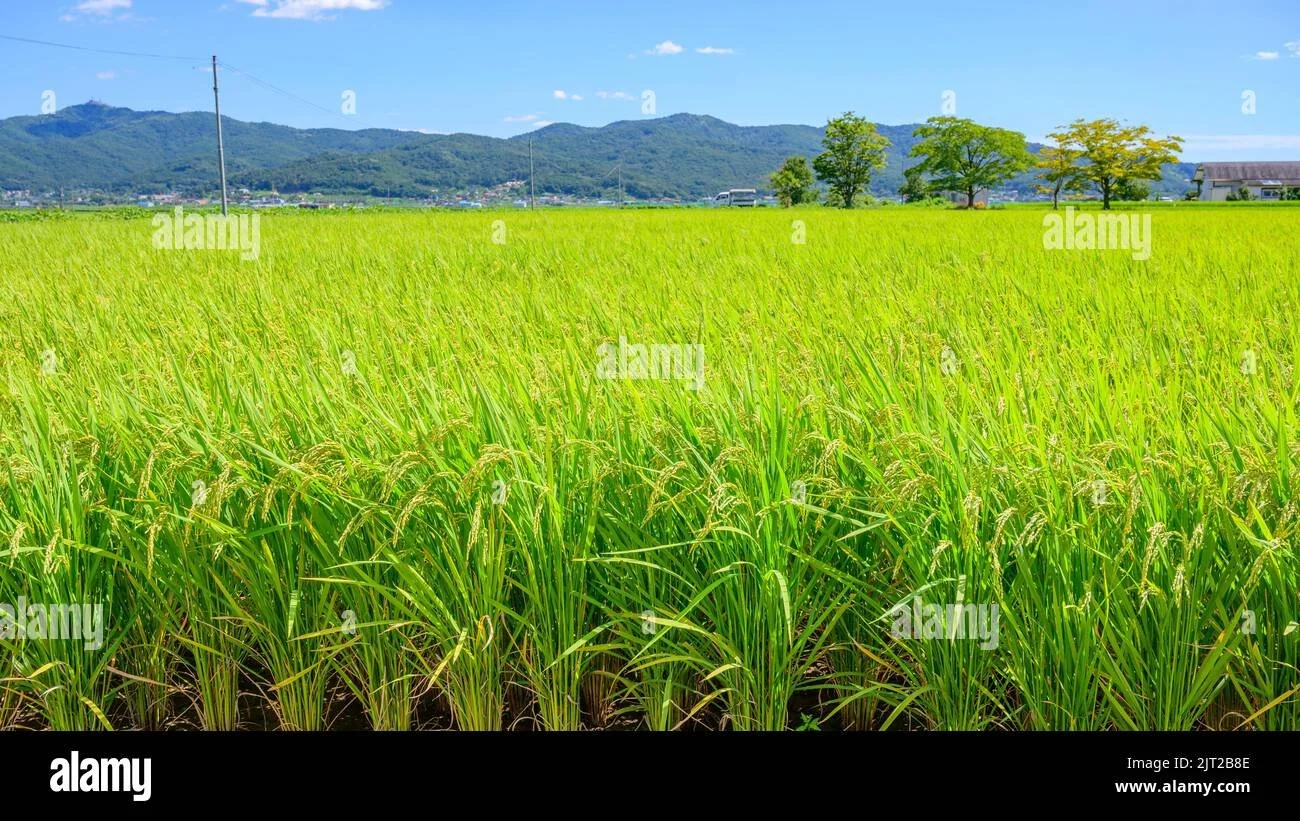
🎭 The Rice Distraction: What They’re Really Trying to Hide
Beyond agriculture, the 2025 U.S.–Korea trade pact exposes Korea to systemic risks: fiscal subordination, legal ambiguity, industrial offshoring, and loss of regulatory sovereignty. This is not trade—it is structured economic displacement.
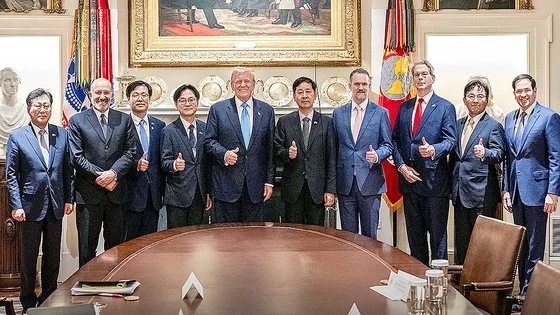
🟡 "U.S.: ‘Rice Also Opened’; Korea: ‘Misunderstanding’ – Contradictory Statements Following Tariff Deal"
Following conflicting claims on rice market access, this article exposes the structural asymmetry behind the Korea–U.S. tariff pact. Far from a misunderstanding, it reflects a staged sequence of fiscal and symbolic extraction enabled by legal ambiguity and narrative dissonance.
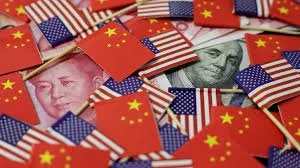
🕰️ Waiting for the Succession – How Trump Turned Xi’s Fall Into Leverage
Trump isn’t negotiating with China—he’s waiting.
As Xi Jinping weakens politically and economically, the White House is betting on his collapse. When a new, desperate leader emerges, Trump will strike—not to compromise, but to extract.
After securing over $1.7 trillion in concessions from Korea, Japan, and the EU, Trump has set the price of access.
Now China stands alone—without leverage, without allies, and without time.
This isn’t diplomacy.
It’s temporal domination through symbolic patience.
![1. 🟥 [Yoon Indicted for Genocide Allegations Tied to Medical Collapse]](https://images.squarespace-cdn.com/content/v1/685a879d969073618e9775db/1754016371764-E352VYFTSB2ZBMWN47ZV/0000051431_001_20250731163616865.jpg)
1. 🟥 [Yoon Indicted for Genocide Allegations Tied to Medical Collapse]
As South Korea faces legal tremors following its healthcare collapse, former President Yoon Suk-yeol stands accused of genocide over the deaths of thousands during the 2024–2025 medical strike. But the deeper truth runs beyond one man: the system failed long before the court filings. This was not murder — it was symbolic dereliction, distributed across government, medical institutions, and societal inertia. The real question isn’t legal. It’s structural. And it still remains: who left the patient to die?
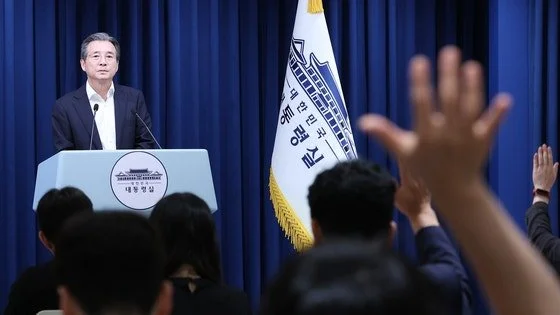
🇰🇷🇺🇸 Korea–U.S. Trade Pact: Symbolic Resistance, Strategic Retreat
“To protect under $1B in rice and beef, South Korea surrendered $450B in industrial capital, lost its FTA auto advantage, and agreed to fund America’s shipbuilding revival under a slogan it didn’t invent.
This wasn’t diplomacy. It was symbolic engineering masking structural extraction.”
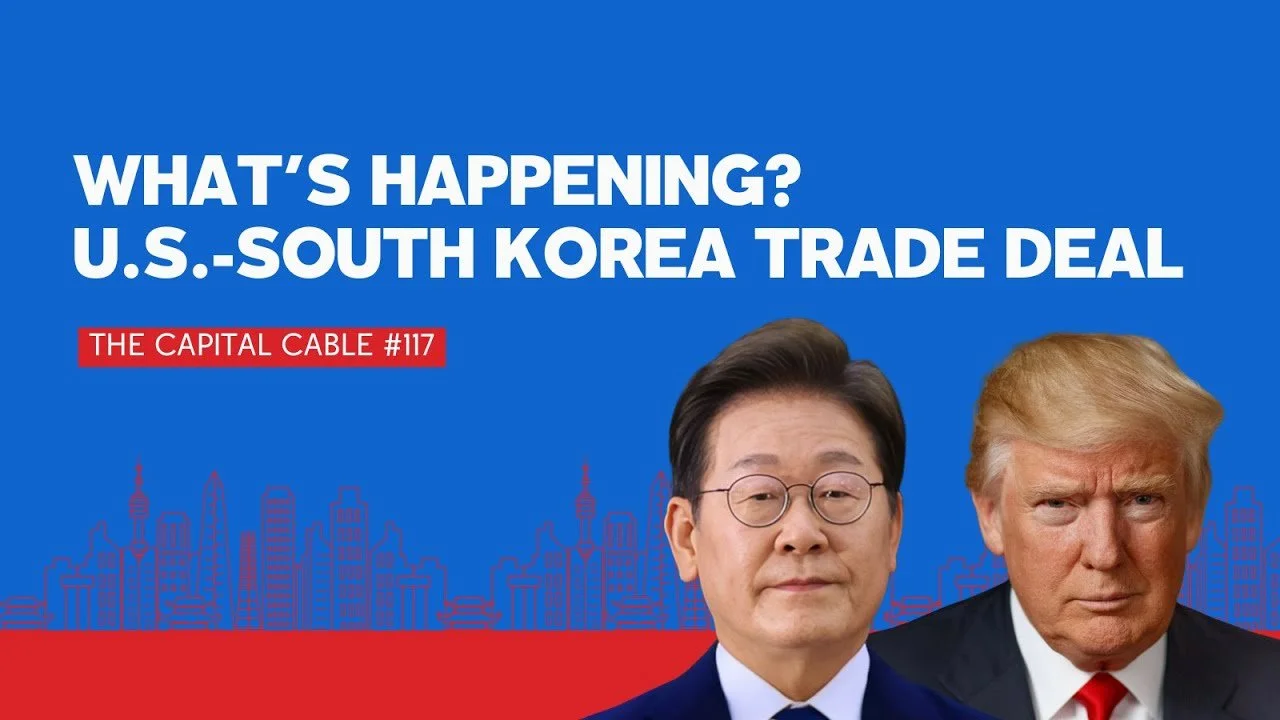
🧭 Three Paths, One Trap: Korea’s Strategic Dilemma in the Execution of the U.S. Pact
In 2025, South Korea committed over $500 billion to the United States—more than its entire foreign reserves. But 90% of the returns will stay in America.
The government of Lee said nothing. Not to deny it. Not to defend it.
What was framed as “cooperation” is, in fact, a licensed capital extraction.
Hanwha and SK benefit. The public pays.
This isn’t just an economic deal. It’s a quiet, irreversible surrender of strategic autonomy.
And when the inflation comes—6%... 8%... maybe more—Koreans won’t just be losing money.
They’ll be losing a country that no longer speaks for them.
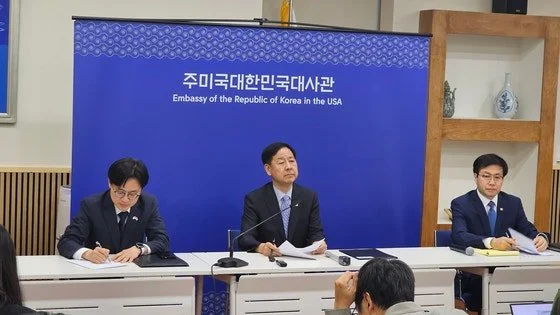
🟡 Diverging Claims on Korea–U.S. Trade Deal: $350B+α vs. $200B Reality
The July 2025 U.S.–Korea trade agreement reveals a disturbing pattern of strategic opacity from the South Korean government. While Washington publicly frames the deal as a $350B+α injection under U.S. control—with 90% of profits remaining in America—Seoul has neither denied this claim nor clarified the legal structure governing capital returns. Instead, Korean officials emphasize a $150B shipyard fund led by Hanwha, using it as a symbolic buffer to deflect scrutiny from the $200B financial package directly tied to U.S.-selected projects. This silence on return rights, legal oversight, and sovereign claim over invested capital raises the unsettling question: Has Korea just financed another country’s industrial future without securing its own?
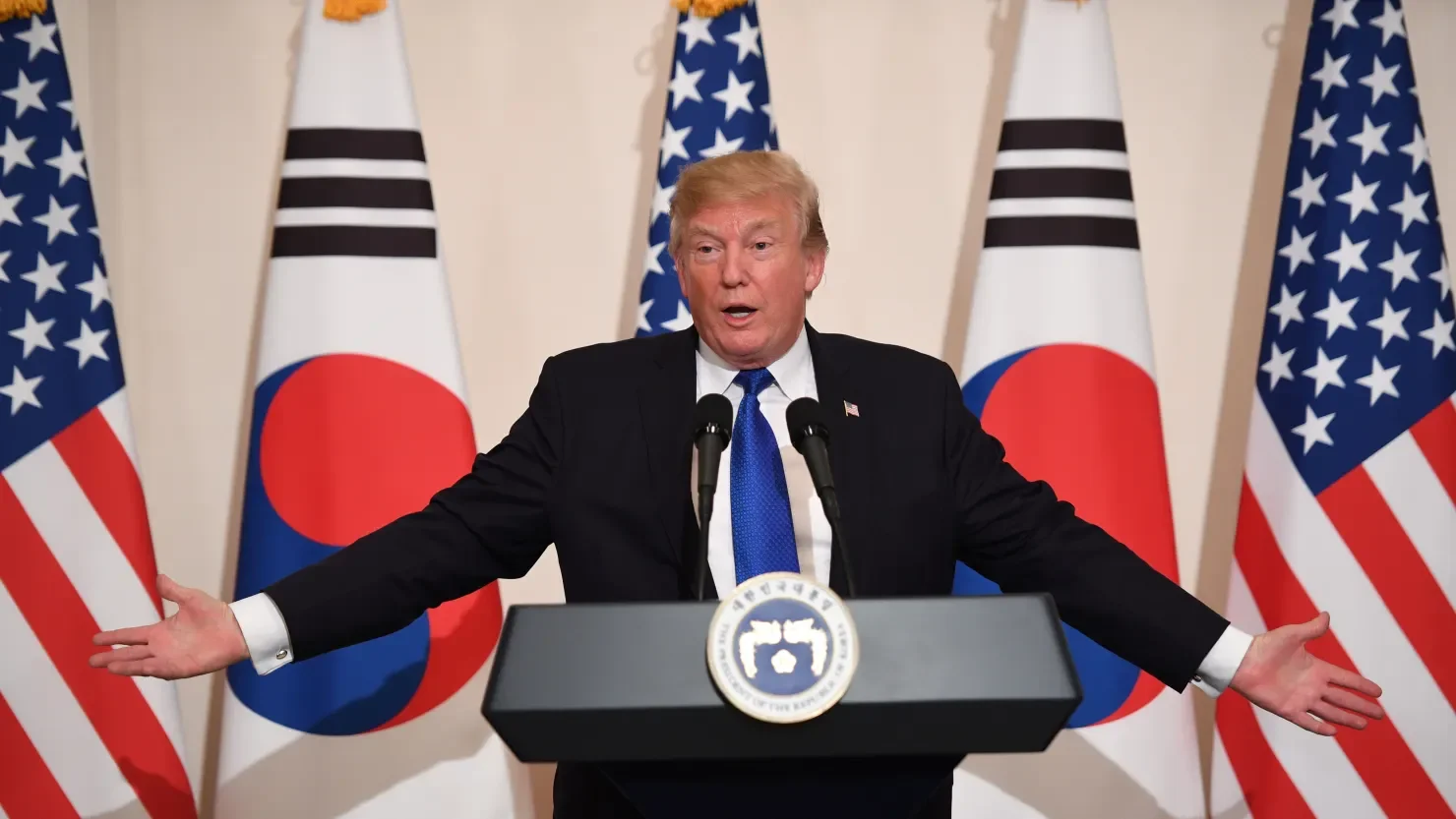
🟡 Trump announces trade deal with South Korea, setting tariffs at 15%
Trump said it plainly:
“$350 Billion owned and controlled by the United States, selected by myself.”
Lee didn’t refute it. He called it a “hurdle overcome.”
While the public focuses on tariff relief and symbolic funds, the real story is unfolding beneath the surface:
– Hanwha leads the $150B shipbuilding relocation.
– Celltrion is already moving biopharma production to the U.S.
– Samsung, Hyundai, SK, and LG are embedding semiconductor, EV, and battery infrastructure across U.S. states.
This deal isn’t about trade—it’s a legal architecture for capital extraction and industrial evacuation, signed by Seoul and controlled from Washington.
The exodus has already begun. And it’s being celebrated as diplomacy.