
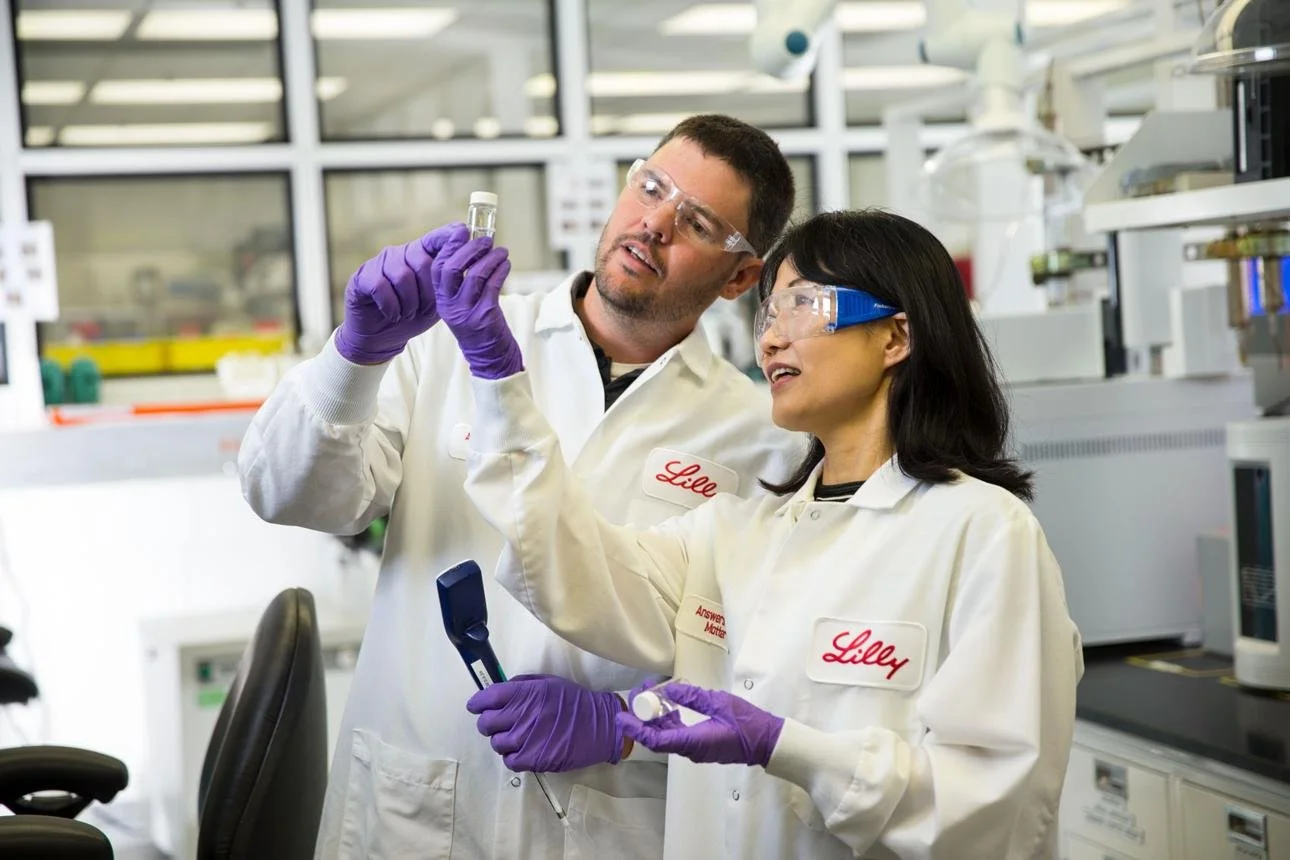
Lilly Retatrutide: Phase III Head-to-Head Results Challenge Ozempic's Competitive Position
Lilly announced positive topline results from TRANSCEND-T2D-2, a randomized Phase III trial involving 1,298 adults with type 2 diabetes, comparing investigational retatrutide with Novo Nordisk's Ozempic 2 mg.
At 80 weeks, retatrutide 9 mg and 12 mg reduced HbA1c by an average of 2.2 percentage points, compared with 1.8 percentage points for Ozempic.
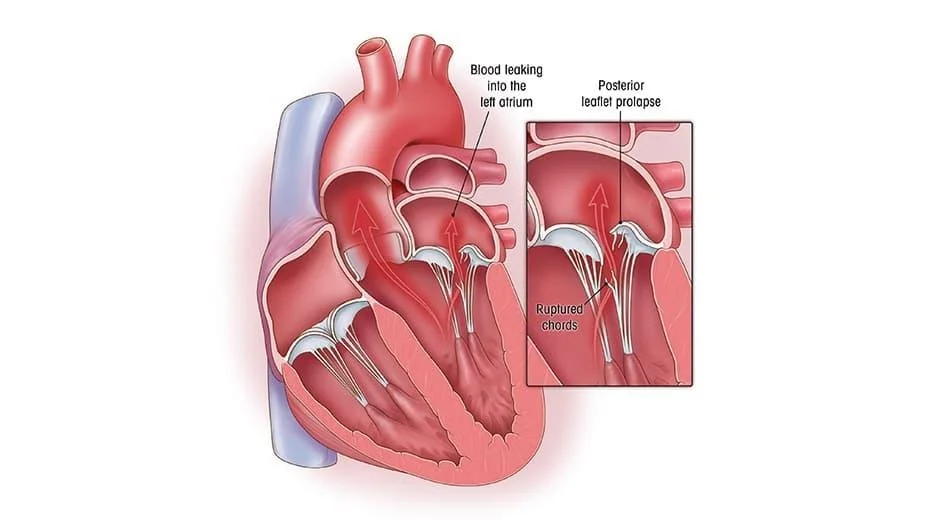
Vincora Receives FDA Authorization for Early Feasibility Study of Transcatheter Mitral Valve Repair
Vincora announced that the FDA had approved an Investigational Device Exemption allowing the company to initiate a U.S. early feasibility study of its NeXuS Transcatheter Chordal Repair System.
The investigational device is designed to implant artificial chordae through a catheter-based procedure performed on a beating heart in patients with degenerative mitral regurgitation.

Russian Refineries Recover 25% of Throughput After Reported Interruption in Drone Attacks
Russian oil refineries increased crude processing by approximately 25% during the second half of October, reaching around 5 million barrels per day, according to three industry sources cited by Reuters.
The recovery followed a reported interruption in Ukrainian drone attacks on refinery infrastructure, with no additional refinery strikes reported after October 16.

Bank of Korea Warns of a Potential $100 Billion Semiconductor Export Shortfall
The Bank of Korea modeled a pessimistic scenario in which reduced AI infrastructure investment by major U.S. technology companies could leave South Korean semiconductor exports $50 billion–$100 billion below earlier 2027 forecasts.
According to the central bank's response to lawmaker Ahn Do-geol, the scenario assumes a 10% decline in Korean semiconductor unit prices and could reduce South Korea's GDP growth by approximately 0.4 percentage point.

Oracle Diversifies AI Computing Infrastructure While Expanding Nvidia Capacity to Multi-Gigawatt Scale
Oracle and Nvidia announced plans to expand Oracle Cloud Infrastructure's Vera Rubin computing systems to multi-gigawatt scale, while making Vera Rubin NVL72 systems and Vera CPUs generally available on OCI.
Oracle also announced plans to offer Google's Tensor Processing Units and inference accelerators from Cerebras and SambaNova, while incorporating its proprietary Acceleron networking technology.
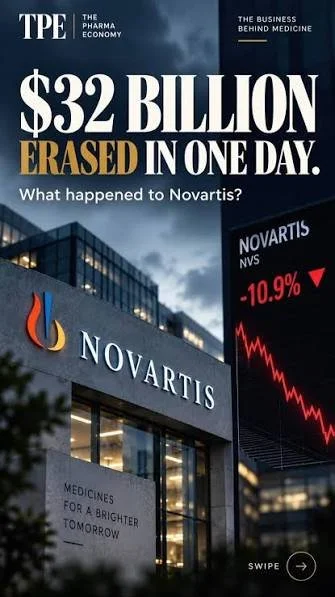
Novartis: $1.9 Billion Impairment Exposes the Clinical Risk Embedded in Pharmaceutical Acquisitions
Novartis reported a $1.9 billion partial impairment of its del-desiran asset following the Phase III HARBOR trial's failure to meet its primary endpoint of video hand-opening time in patients with myotonic dystrophy type 1.
The company also recorded a separate $300 million write-off associated with pelacarsen, which failed to demonstrate a reduction in cardiovascular events despite lowering lipoprotein(a).

HSBC Reduces Global Equity Exposure as AI and Geopolitical Risks Converge
HSBC Holdings downgraded its global equity allocation recommendation from maximum overweight to neutral, citing renewed Middle Eastern geopolitical tensions and uncertainty surrounding potential AI regulation ahead of the U.S. midterm elections.
The bank simultaneously upgraded developed-market sovereign bonds from maximum underweight to overweight.

Saudi Arabia–Singapore: Strategic Crude Storage Moves Energy Security Closer to Asian Demand
Saudi Arabia and Singapore announced their joint intention to establish a crude-oil storage arrangement at Singapore's Jurong Rock Caverns.
Singapore's Energy Market Authority and JTC Corporation exchanged a memorandum of understanding with Saudi Aramco at Singapore International Energy Week.
The proposed arrangement would store Saudi crude oil in Singapore, with operations expected to begin during the second half of 2027.
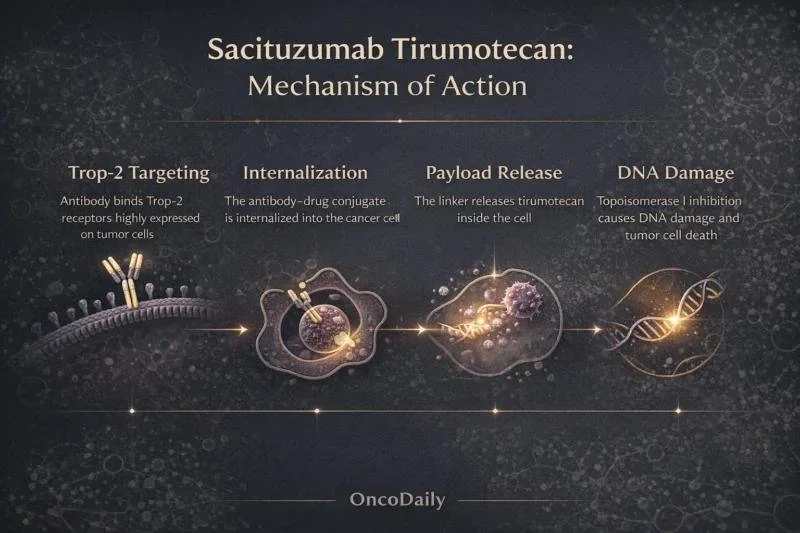
Merck–Kelun: Phase III Sac-TMT Survival Results Support FDA Priority Review
Merck & Co. announced detailed results from the randomized Phase III TroFuse-005 trial evaluating sacituzumab tirumotecan, or sac-TMT, a TROP2-directed antibody-drug conjugate developed in collaboration with Kelun-Biotech.
Among 776 patients with advanced or recurrent endometrial cancer previously treated with platinum-based chemotherapy and anti-PD-1/PD-L1 immunotherapy, median overall survival was 19.0 months versus 12.1 months with chemotherapy (HR 0.68; 95% CI 0.55–0.84; p<0.0001).
Broadcom–Anthropic: $63 Billion Financing Transfers AI Infrastructure Risk Across Multiple Balance Sheets
Bank of America, Blackstone, Citigroup, and Morgan Stanley announced a $63 billion financing transaction supporting the acquisition of Broadcom AI accelerators and networking equipment for Anthropic.
The arrangement uses a newly established special-purpose vehicle (SPV) that will purchase the hardware and lease it to Anthropic, with deliveries expected to begin in 2027.
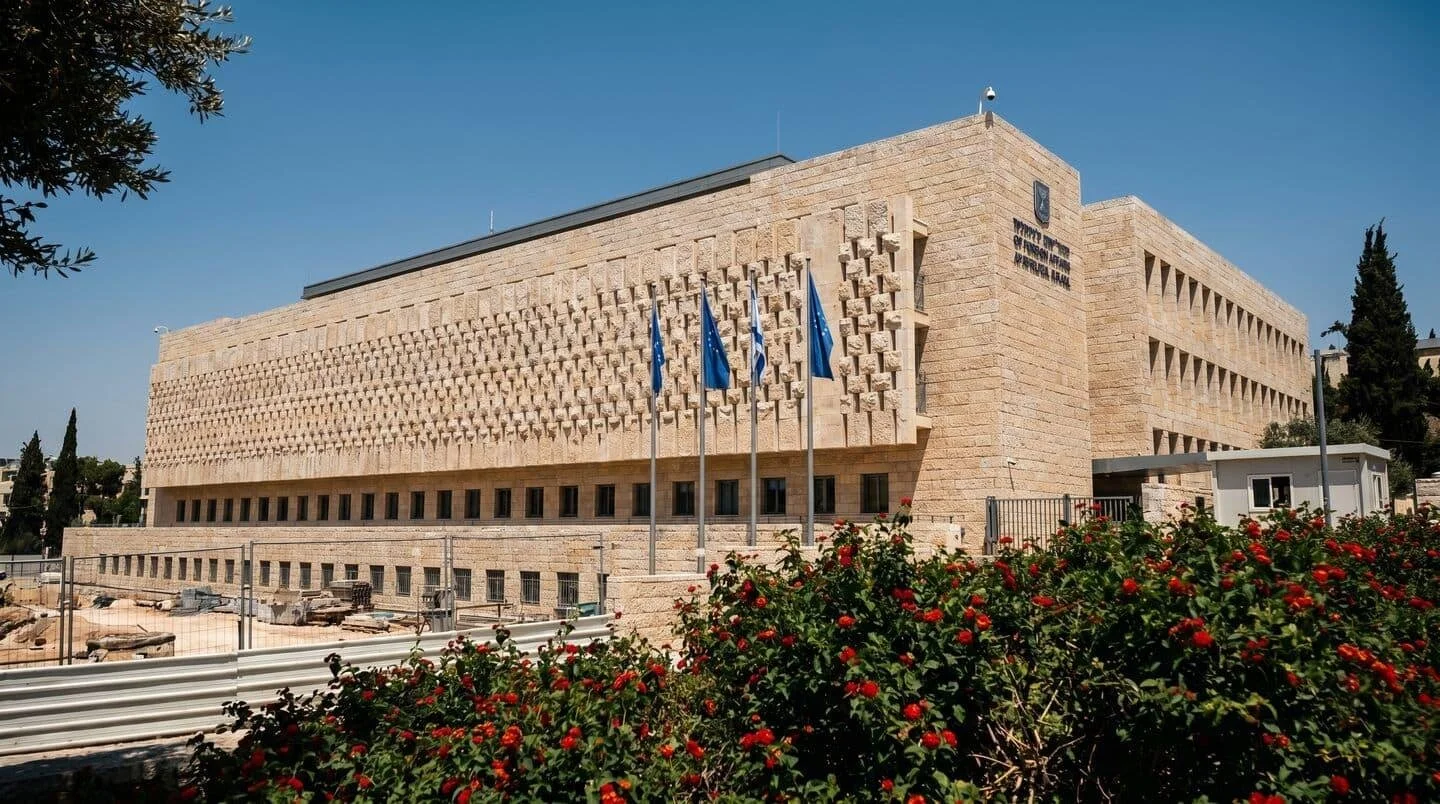
Israel's Cryptocurrency Debate: Financial Sanctions Cannot Be Solved by Changing Payment Technology
Israeli Prime Minister Benjamin Netanyahu faced criticism following comments suggesting that cryptocurrency and blockchain-based arrangements could help the country respond to potential international financial sanctions.
The Bank of Israel publicly rejected the proposition that cryptocurrencies could provide an effective means of circumventing sanctions, emphasizing the importance of maintaining economic relationships with major trading partners.
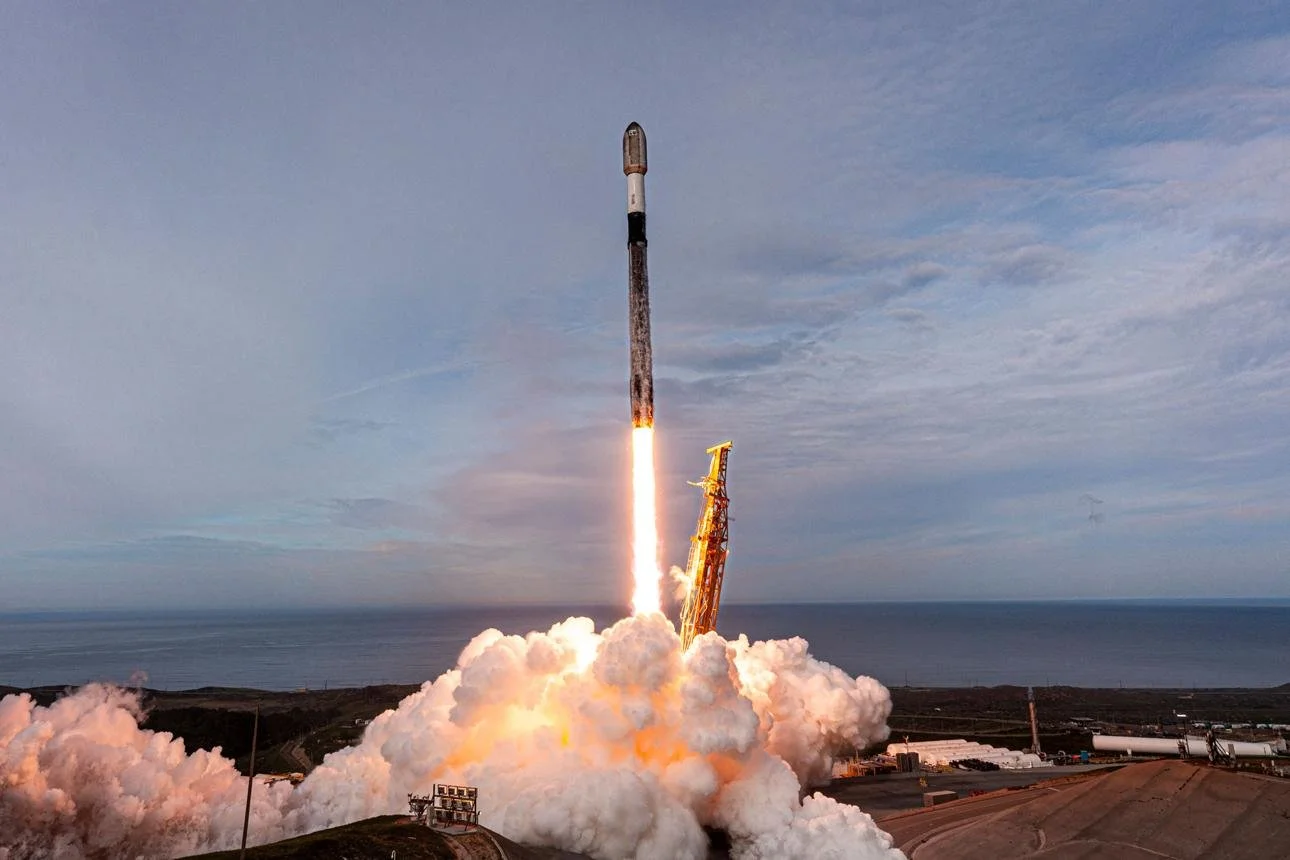
SpaceX Claims $40 Billion AI Financing: Infrastructure Growth Becomes a Credit-Market Test
lon Musk stated on October 25 that SpaceX had closed approximately $40 billion in debt financing intended primarily for Nvidia GPU purchases arriving during the first half of 2027.
Musk attributed the financing to the company's investment-grade credit status and revenue generated by its established operations, including Starlink and launch services.

Saudi Arabia–Houthis: Escalating Infrastructure Threats Trigger the Worst Saudi Equity Session in 18 Months
Saudi Arabia's benchmark equity index declined 2.7% on October 25, its worst session in approximately 18 months, after falling as much as 3.4% intraday.
The Saudi-led coalition reported intercepting missiles and drones over Riyadh and southern areas, while Yemen's Houthis continued threatening Saudi infrastructure.
The Houthis had claimed attacks on oil facilities and airports the previous day, although the extent of damage to individual facilities was not independently established.
Saudi Aramco shares declined 0.9%, while Egypt's benchmark equity index fell 3.6% as regional investors reassessed geopolitical risks. Reuters
Source: Reuters — Gulf market reaction, October 25
Why it matters strategically
Saudi Arabia's energy infrastructure has become increasingly important to regional and global supply resilience.
The East-West Pipeline and Red Sea export facilities provide alternatives to routes exposed to disruption around the Strait of Hormuz.
However, alternative infrastructure can itself become vulnerable.
This creates a critical strategic dependency.
An energy company may diversify away from one geographical chokepoint only to concentrate operational risk in another.
The economic consequences depend on actual infrastructure damage, repair duration, export flexibility, and available inventories.

Bon Secours–Surgery Partners: Reported $6 Billion Deal Could Accelerate Outpatient Healthcare Consolidation
The Financial Times reported that Bon Secours Mercy Health is in advanced discussions to acquire a majority stake in Surgery Partners.
The proposed transaction would value Surgery Partners at approximately $6 billion including debt, with an indicated acquisition price of around $20 per share, compared with its previous closing price of $15.90.
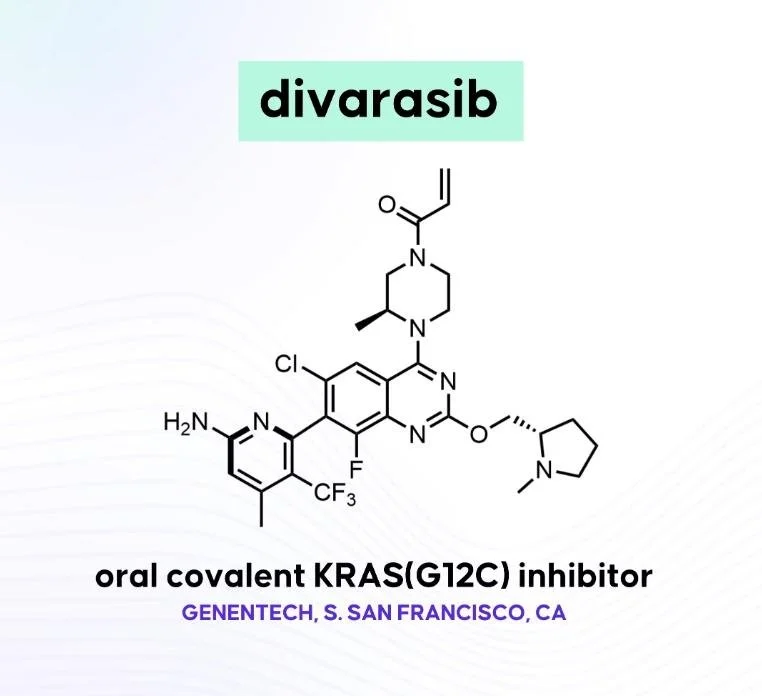
Roche Divarasib: Phase III Superiority Challenges Existing KRAS G12C Treatments
Roche disclosed detailed results from the Phase III Krascendo 1 trial, involving 338 patients with previously treated KRAS G12C-mutated advanced non-small-cell lung cancer.
Divarasib achieved median overall survival of 17.7 months versus 12.0 months with sotorasib or adagrasib, corresponding to a hazard ratio of 0.56 (95% CI: 0.41–0.78; p=0.0005).
Median progression-free survival was 9.8 versus 5.7 months (HR 0.58), while objective response rates were 58% versus 32%; treatment-related discontinuations occurred in 4.8% versus 11.7% of patients.

Moonshot AI Restricts Offensive Cybersecurity Capabilities Before Open-Weight Release
Chinese AI developer Moonshot AI announced that it had deliberately reduced the offensive cybersecurity capabilities of its Kimi K3.1 Pro model before a planned open-weight release on November 4.
The company said it removed cybersecurity-related training data and modified reinforcement-learning environments while attempting to preserve general coding performance.

India Intensifies Enforcement Against Reuse of Single-Use Medical Devices
India's Directorate General of Health Services instructed state and territorial authorities to strengthen enforcement against the reuse of medical devices and surgical items designated for single use.
The directive identifies reported practices involving the sterilization and reuse of devices in cardiology, nephrology, oncology, vascular surgery, and neurosurgery.
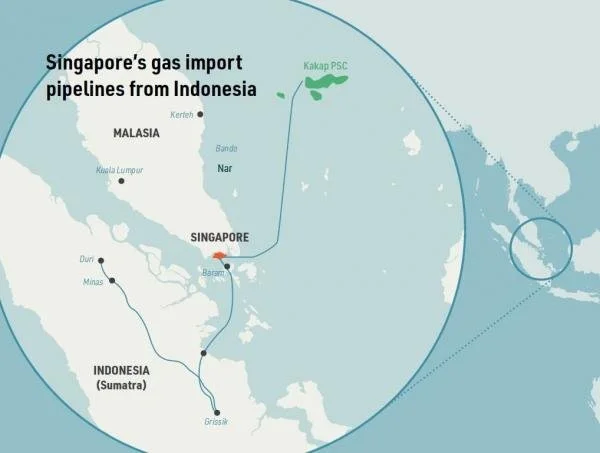
Indonesia Reduces Natural Gas Exports to Singapore: Energy Security Becomes a Contractual and Capital-Allocation Risk
Indonesia began reducing natural gas exports to Singapore on October 24, with Indonesian upstream regulator SKK Migas reporting reductions involving supplies from Natuna and Sumatra.
Initial Indonesian reports described a combined reduction of 31 billion British thermal units per day, while Singapore's Energy Market Authority subsequently stated that the effective reduction was approximately 17 billion British thermal units per day over an 18-day period, representing less than 2% of Singapore's daily gas demand.
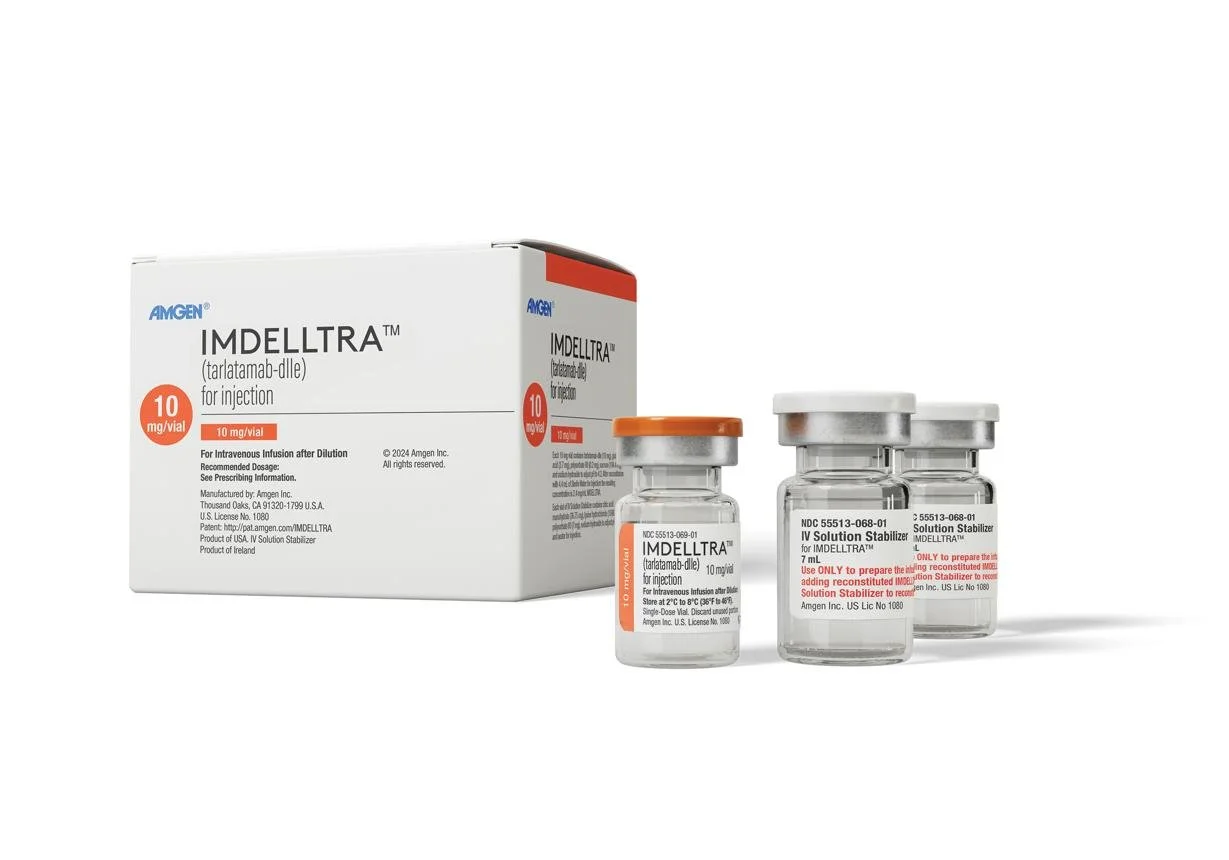
Amgen–AstraZeneca: Tarlatamab Combination Extends Median Survival by 8.4 Months in Phase III Small-Cell Lung Cancer
Amgen presented Phase III DeLLphi-305 results showing that tarlatamab combined with AstraZeneca's durvalumab reduced the hazard of death by 58% compared with durvalumab alone in first-line maintenance treatment of extensive-stage small-cell lung cancer.
Among 563 randomized patients, median overall survival was 21.1 months versus 12.7 months, corresponding to a hazard ratio of 0.42 (95% CI: 0.32–0.54; p<0.001).

U.S.–China: Biotechnology Investment Restrictions Could Restructure Cross-Border Pharmaceutical Deals
On October 24, China's Ministry of Commerce formally opposed the U.S. Treasury's proposed expansion of outbound investment restrictions, warning that the measures could damage bilateral economic relations and reserving the right to take countermeasures.
The underlying U.S. proposal was released on October 22 under the Comprehensive Outbound Investment National Security Act, or COINS Act. It would add biotechnology to the sectors subject to restrictions and extend the framework covering certain equity investments, joint ventures, and financing arrangements involving designated countries of concern.
The proposal has not become final law. Treasury is accepting public comments until December 7, 2026. Reuters
Primary source: U.S. Treasury — Proposed Outbound Investment Regulations, October 22
Latest development: Reuters — China's response, October 24
Why it matters strategically
The proposed regulations could alter how American pharmaceutical companies access Chinese biotechnology assets.
The important distinction concerns transaction structure.
Under the proposal, conventional pharmaceutical licensing agreements involving upfront payments, milestones, and royalties generally appear to fall outside the definition of covered investment transactions.
However, equity acquisitions, certain convertible financing arrangements, qualifying joint ventures, and other investment structures may be restricted or prohibited.
This distinction is particularly relevant because several recent U.S.–China pharmaceutical partnerships have combined licensing rights with equity participation.
The proposed rules could therefore affect the economics of cross-border transactions without necessarily preventing the underlying technology from being licensed.