

Russia Holds Its Policy Rate at 14% as Inflation Pressures Persist
The Bank of Russia maintained its benchmark interest rate at 14.00%, citing persistent inflation and elevated inflation expectations.
The central bank increased its forecast for 2026 inflation to 7.1%–7.6%, while projecting that its policy rate would average 12.5%–13.5% in 2027.

Dr. Reddy's: Semaglutide Manufacturing Issues Compound North American Revenue Pressure
Dr. Reddy's Laboratories reported second-quarter FY2027 revenue of ₹86.71 billion, down approximately 1.5% year over year, and profit attributable to equity shareholders of ₹9.25 billion.
North American revenue declined approximately 23% to ₹24.89 billion, reflecting pricing pressure and lower sales of existing products, particularly lenalidomide.
Pathos–BMS–Tempus: $237 Million Financing and a $55 Million Data Agreement Put AI-Driven Clinical Decisions Under Examination
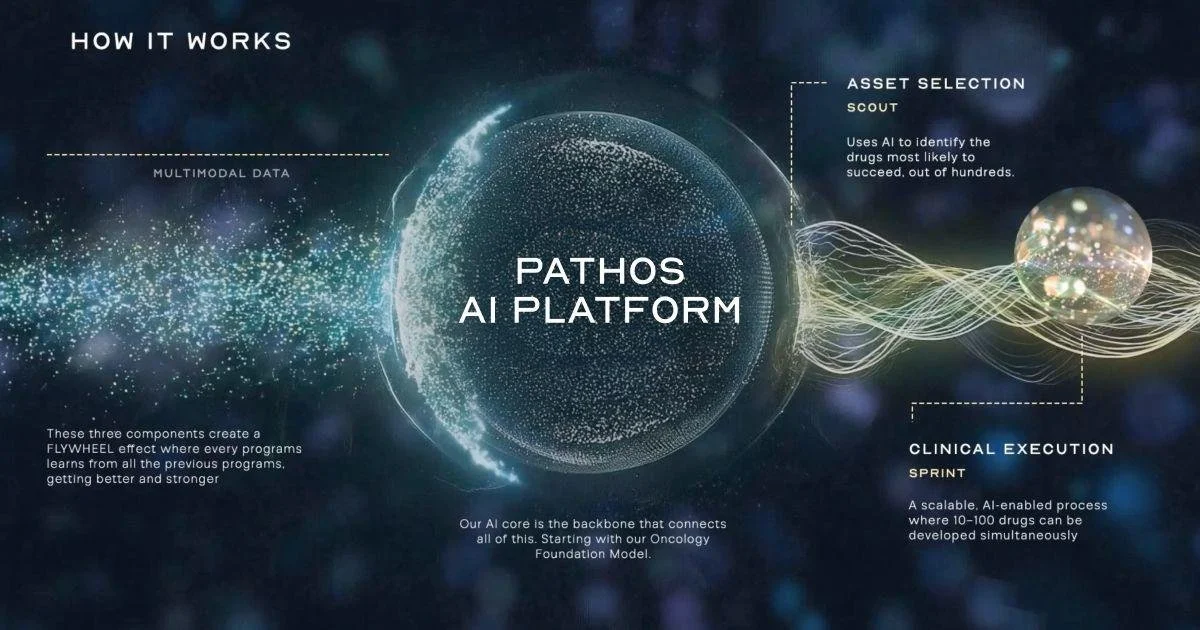
Pathos AI announced a $237 million Series E financing round led by Bristol Myers Squibb, valuing Pathos at approximately $3 billion post-money.
Separately, Pathos announced a five-year, $55 million agreement to license a neurological disease dataset developed by Tempus AI, drawing on de-identified longitudinal information from hundreds of thousands of patients.
Iran's Submarine Cable Threats: Gulf Digital Infrastructure Becomes a Geopolitical Exposure
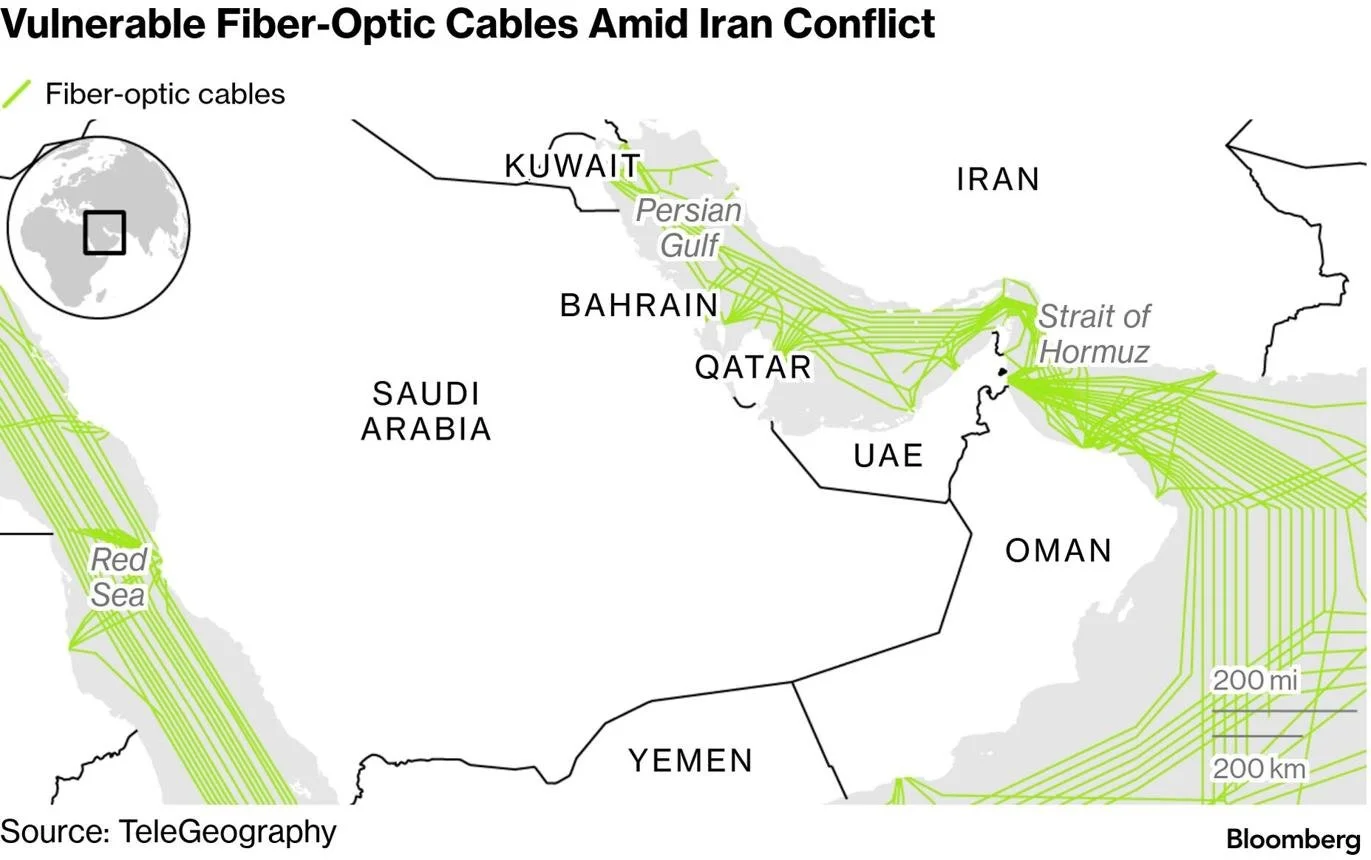
Reuters reported that two senior Iranian security officials described contingency plans to attack submarine communications cables in the Gulf if the United States and Israel renew military strikes against Iran.
One official said Iran could attempt to prevent repairs to prolong communications disruptions. The officials did not provide independently verifiable operational details.
BMS–SystImmune: Iza-Bren Phase III Results Raise a New Global ADC Development Question
Bristol Myers Squibb and SystImmune announced results from the randomized Phase III PANKU-Breast01 trial evaluating iza-bren against chemotherapy in 383 patients with previously treated HR-positive, HER2-negative advanced breast cancer.
Median progression-free survival was 8.2 months versus 4.0 months, corresponding to a hazard ratio of 0.41 (95% CI: 0.33–0.53; p<0.0001). Confirmed objective response rates were 40.5% and 20.2%, respectively.
Bank of Korea Holds Rates at 3.00%: AI-Driven Growth Complicates Monetary Policy
The Bank of Korea maintained its benchmark policy rate at 3.00%, following consecutive increases in July and August 2026.
The central bank cited continued economic growth supported by exports and investment, inflation remaining around 3%, and persistent financial-stability risks.
LSEG Acquires Octus for $3.535 Billion: Proprietary Intelligence Becomes a Strategic Asset in the AI Era
London Stock Exchange Group announced an agreement to acquire Octus for $3.535 billion in cash, purchasing the business from funds advised by Permira and Octus management.
Octus provides proprietary credit intelligence, structured financial information, expert analysis, and workflow tools, particularly for illiquid, private, and distressed credit markets.
The company is expected to generate more than $300 million in revenue in 2026, with an adjusted EBITDA margin of approximately 40%.
Roche Diagnostics: China Pricing Reforms Continue to Reshape Regional Performance
Roche reported that its Diagnostics Division generated CHF 10.281 billion in sales during the first nine months of 2026, representing 4% growth at constant exchange rates.
Regional performance differed substantially: North America grew 9%, Latin America grew 12%, while Asia-Pacific declined 4%, all measured at constant exchange rates.
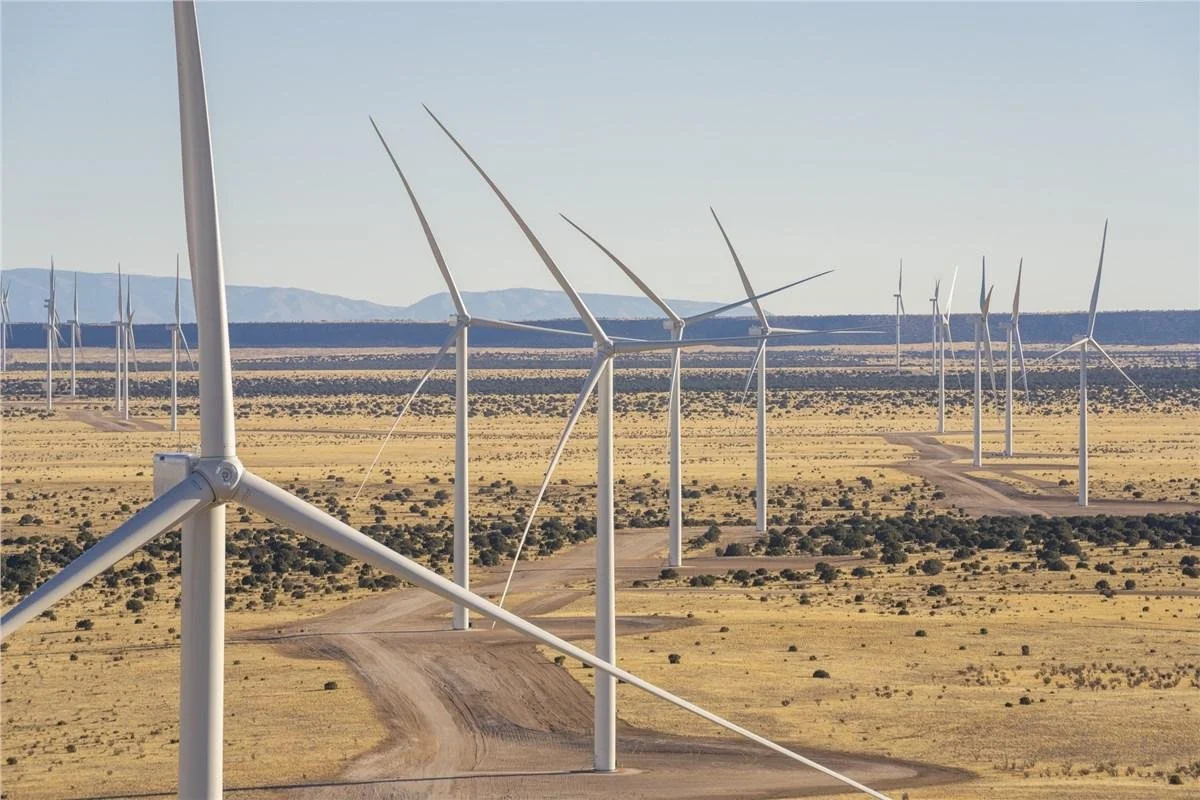
U.S. Section 232: Wind Turbine Imports Declared a National-Security Threat
U.S. President Donald Trump issued a proclamation declaring that imports of wind turbines and related components threaten U.S. national security following a Commerce Department investigation under Section 232 of the Trade Expansion Act.
The identified concerns include cybersecurity vulnerabilities, potential interference with radar and air-traffic systems, and dependence on foreign manufacturing.
Gilead–PepStar: $1.275 Billion Upfront for a Phase I Oral IL-23R Program
Gilead Sciences announced a definitive agreement to acquire an oral IL-23 receptor inhibitor program, including HCXT-2001, from privately held PepStar Therapeutics for $1.275 billion in upfront cash consideration, payable at closing and subject to customary adjustments.
HCXT-2001 is an investigational oral macrocyclic peptide inhibitor of IL-23R with an extended half-life, currently undergoing Phase I clinical testing; its safety and efficacy have not been established.

UK Approves Jackdaw Gas Field: Energy Security Changes the Regulatory Economics of Existing Fossil-Fuel Assets
The UK government approved the development of the Jackdaw North Sea gas field, allowing the regulator to authorize production after a prolonged regulatory and legal process.
The government expects production to begin as early as the end of October and estimates that the field could increase domestic gas production by approximately 6% at peak output.
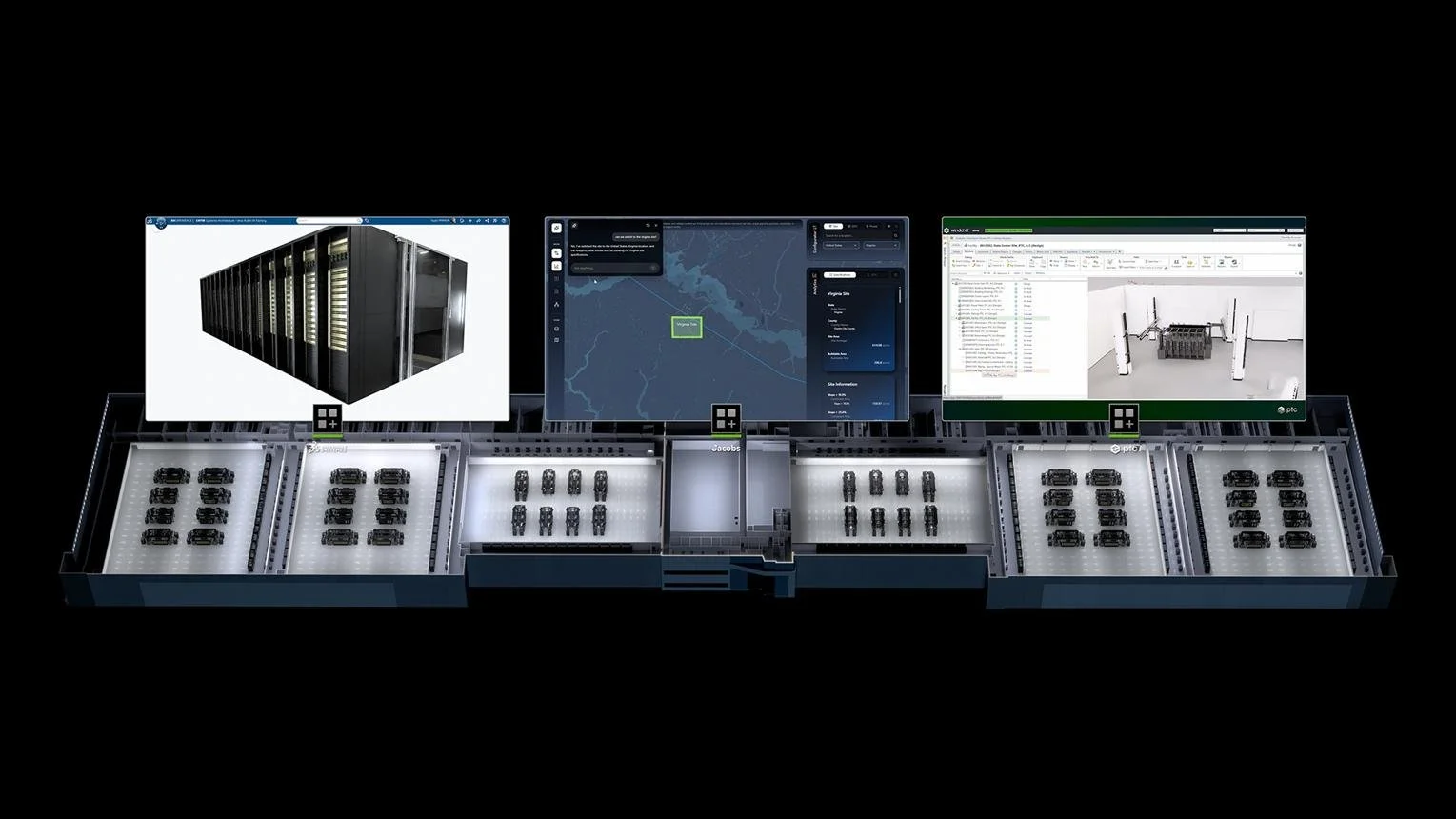
Nvidia Introduces DSX POD: Can Modular AI Factories Reduce Capital Locked in Nonproductive Infrastructure?
Nvidia introduced DSX POD, a modular reference design for complete Vera Rubin AI factories assembled, integrated, and validated before delivery.
According to Nvidia, the architecture could reduce infrastructure deployment time at a prepared site from approximately six months to as little as 14 days.
The system moves substantial cabling, cooling, power integration, and validation work from the construction site into a controlled manufacturing environment.
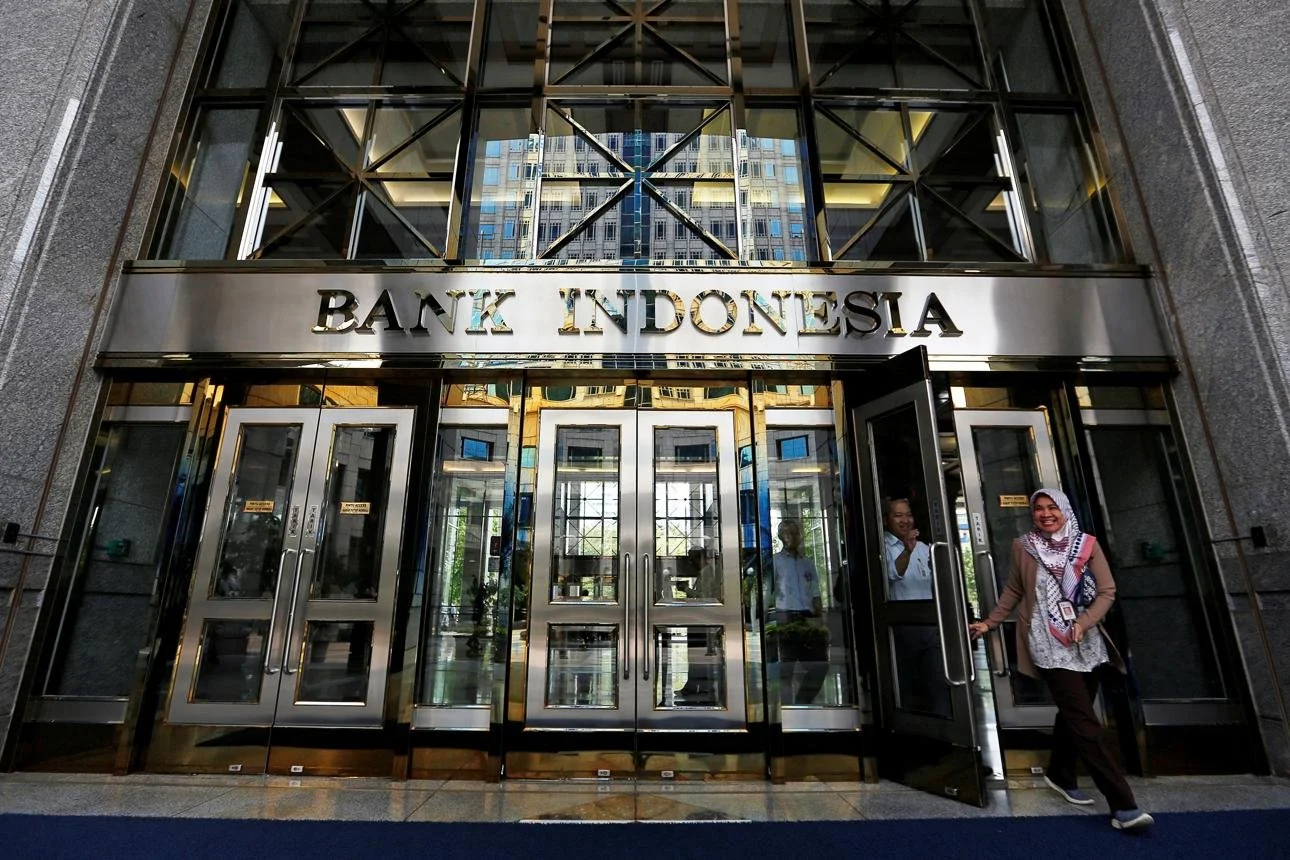
Indonesia Holds Its Policy Rate but Tightens Currency Defense as MSCI Downgrade Risk Escalates
Bank Indonesia maintained its benchmark policy rate at 5.75%, while increasing the Deposit Facility rate by 25 basis points to 5.00%.
The central bank also announced a phased reduction in reserve requirements for conventional commercial banks from 9% to 8% in November and 7% in December, alongside stronger incentives for currency hedging and foreign capital inflows.
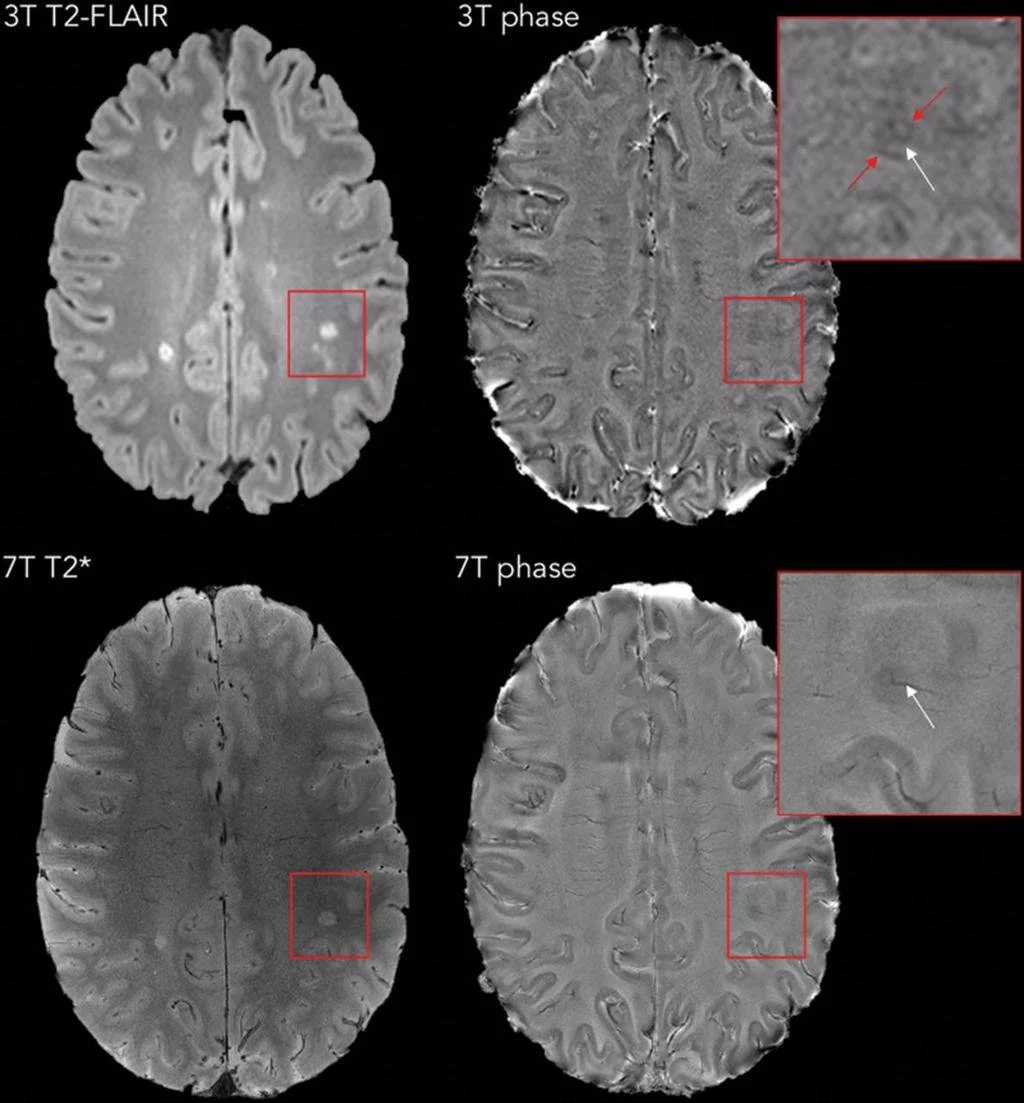
Roche Reports New Fenebrutinib Phase III Data: Do MRI Improvements Establish Meaningful Disability Protection?
Roche presented additional Phase III data for fenebrutinib, its investigational oral Bruton tyrosine kinase inhibitor, at MSToronto2026.
Across the FENhance and FENtrepid programs, Roche reported reductions of up to 30% in slowly expanding lesion volume and a 62% reduction in accumulation of paramagnetic rim lesions in relapsing multiple sclerosis, compared with active comparators.
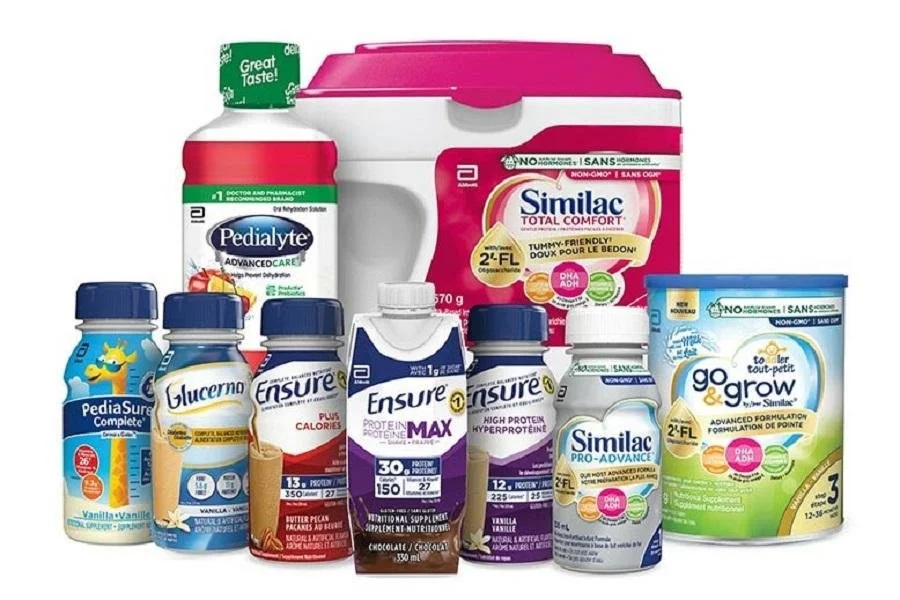
Abbott Announces $8.5 Billion Nutrition Spin-Off: Does Separation Create Value or Redistribute Risk?
Confirmed facts — October 21
Abbott announced its intention to separate its global Nutrition business into an independent publicly traded company through a tax-free distribution to existing shareholders, with completion expected by the end of 2027.
The business generates approximately $8.5 billion in annual sales, employs about 16,000 people, and operates 14 manufacturing sites. Its brands include Similac, Ensure, PediaSure, Pedialyte, and Glucerna.

U.S. Pending Home Sales Reach Record Low: Higher Financing Costs Are Restricting Economic Activity
The National Association of Realtors reported that U.S. pending home sales fell 7.3% month over month and 11.3% year over year in September 2026, reaching the lowest index level since the series began in 2001.
The decline affected all four major U.S. regions, with rising mortgage rates identified as an important factor.

AstraZeneca and Oracle Launch AI Clinical Research Collaboration: The Challenge Is Evidence Integration, Not AI Capability Alone
AstraZeneca and Oracle announced a collaboration intended to integrate artificial intelligence, real-world healthcare data, and clinical research workflows.
The proposed applications include identifying eligible trial participants, improving patient recruitment, supporting earlier diagnosis, and strengthening drug-safety monitoring.
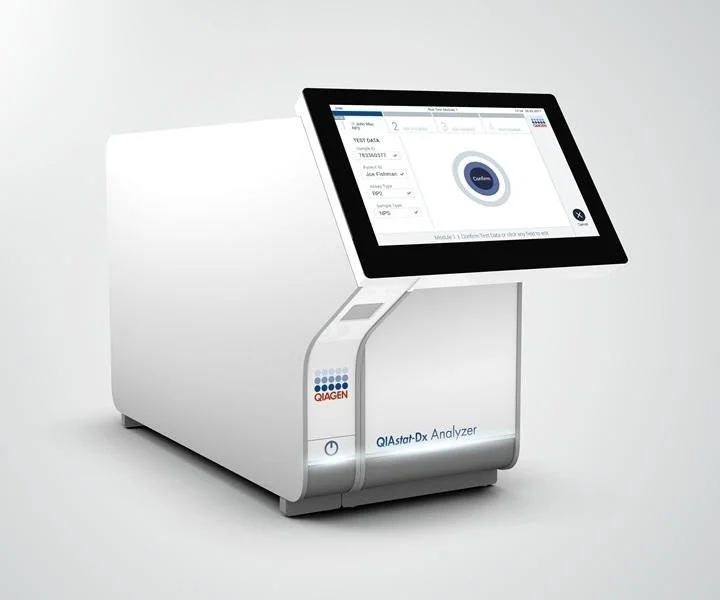
QIAGEN Attracts Competing Acquisition Bids: Is Molecular Diagnostics Worth a Private-Equity Premium?
Reuters reported, citing Bloomberg News, that QIAGEN is in advanced acquisition discussions with Swedish private-equity firm EQT.
According to the report, EQT submitted a binding offer exceeding $50 per share, while KKR also submitted a competing proposal.
QIAGEN's U.S.-listed shares rose more than 6% following the report, and the company's market capitalization was approximately €8.57 billion.
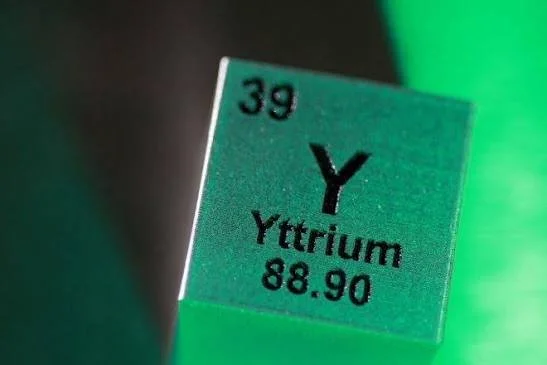
Japan Faces a Potential Yttrium Shortage: When Export Controls Become Industrial Production Constraints
The Financial Times reported that Japanese officials and trading-house executives believe the country's yttrium inventories could become insufficient within months unless Chinese exports improve or alternative supplies become available.
Japan has reportedly requested U.S. diplomatic assistance to ease Chinese export restrictions affecting the material.
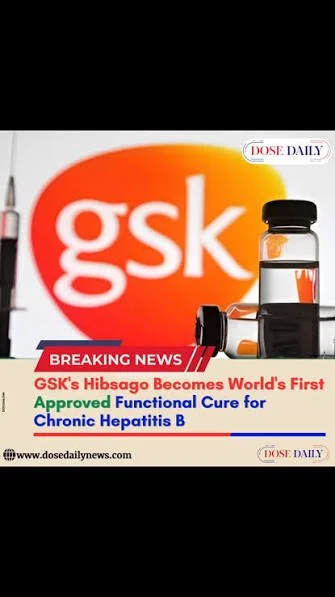
GSK's Hibsago Receives FDA Approval: When Functional Cure Becomes a Commercial Decision
The U.S. Food and Drug Administration publicly announced approval of Hibsago (bepirovirsen), developed by GSK, for selected adults with chronic hepatitis B who are already receiving antiviral therapy.
The treatment is restricted to patients without cirrhosis, with suppressed HBV DNA and baseline HBsAg levels of 3,000 IU/mL or less, as determined by an FDA-authorized test.