
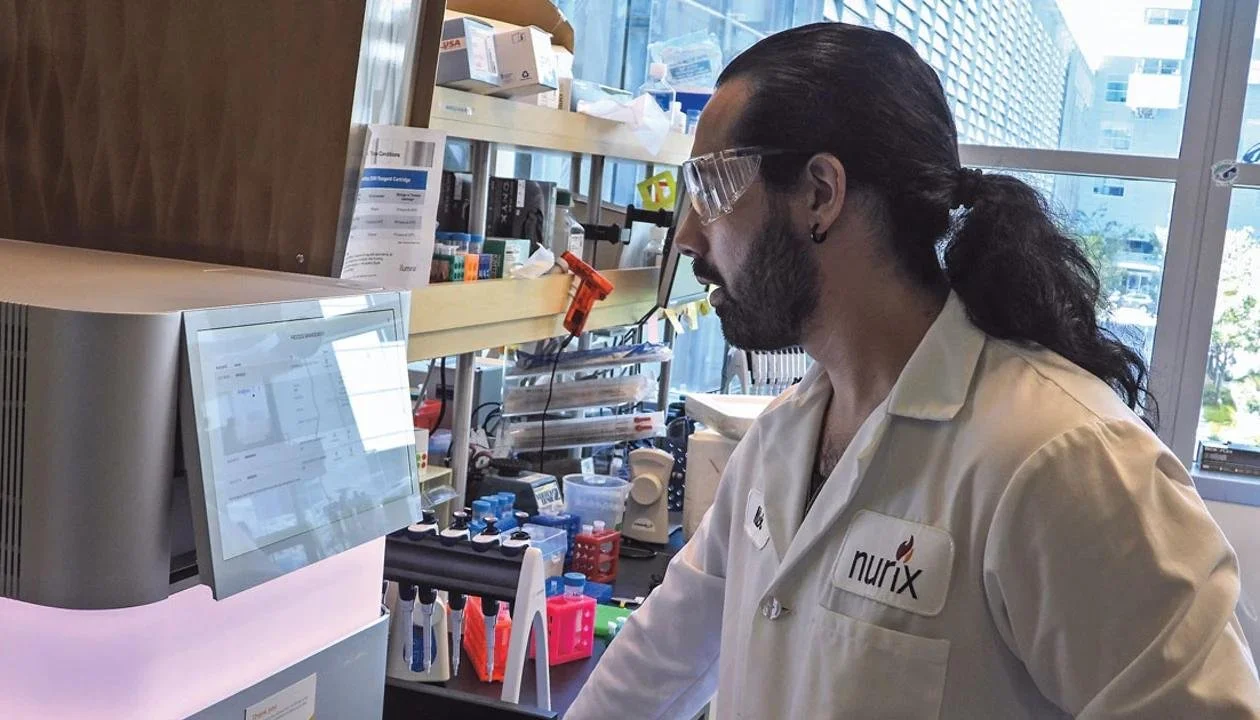
Sanofi Terminates Nurix's SAR448272 Program: The Hidden Risk in Pharmaceutical Platform Partnerships
Nurix Therapeutics disclosed that Sanofi had discontinued development of SAR448272, an oral investigational therapy for autoimmune and inflammatory diseases, following termination of its early-stage clinical trial.
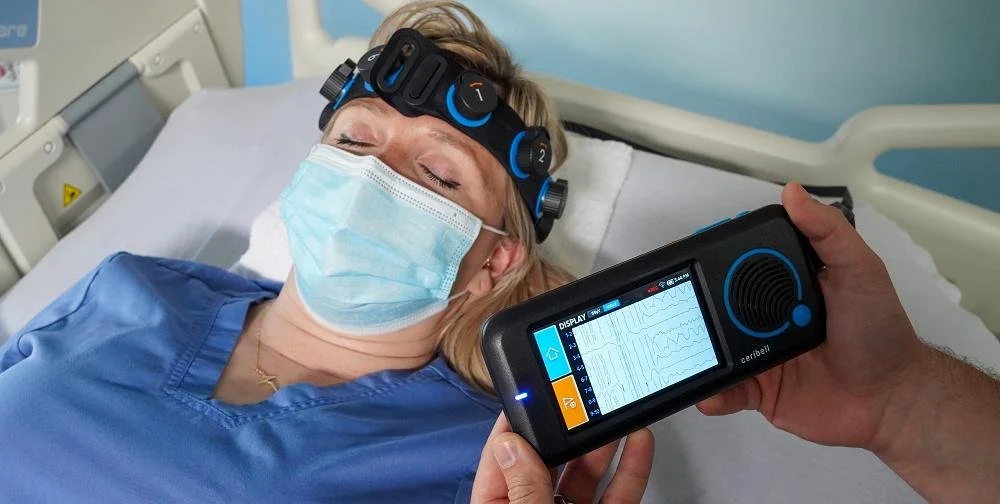
Ceribell Launches AI-Enabled ICU Delirium Monitoring With CMS Payment Support
Ceribell announced the commercial launch of its AI-enabled delirium monitoring solution integrated into its existing point-of-care EEG platform. The device received FDA 510(k) clearance in December 2025 and is intended to aid delirium screening and monitoring alongside clinical assessment, not independently diagnose delirium.
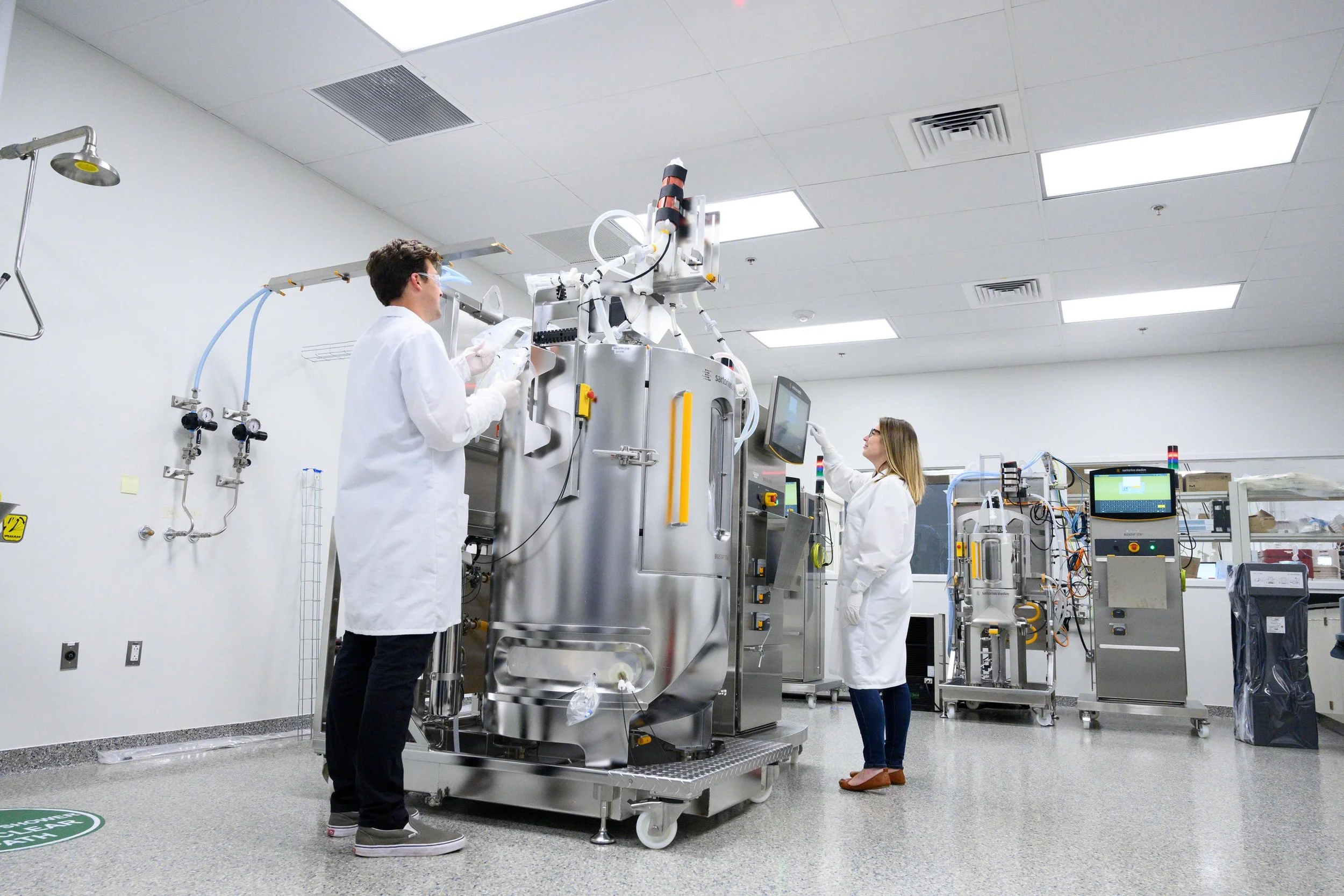
uniQure Receives FDA Priority Review for Huntington's Gene Therapy: Regulatory Acceptance Is Not Clinical Validation
uniQure announced that the FDA accepted its Biologics License Application for ifezuntirgene inilparvovec (AMT-130), an investigational gene therapy for Huntington's disease, and granted Priority Review with a target action date of May 1, 2027.

Fresenius–WuXi Biologics: A 37-Candidate Biosimilar Agreement Changes the Economics of Pipeline Expansion
Fresenius announced an exclusive development agreement with WuXi Biologics giving Fresenius access to up to 37 biosimilar candidates over ten years, potentially expanding its marketed and development portfolio from 29 to 66 molecules. The originator products involved represent more than €370 billion in combined list-price-based sales, but that figure is not a forecast of biosimilar revenue.

South Korea's October Exports Surge 93.7%, Exposing Concentration in AI Semiconductor Demand
South Korea's Ministry of Trade, Industry and Resources reported October exports of $115.28 billion, up 93.7% year over year, and imports of $72.78 billion, producing a $42.5 billion trade surplus. Semiconductor exports increased 259.4% to $56.44 billion, while computer exports surged on AI-server demand.
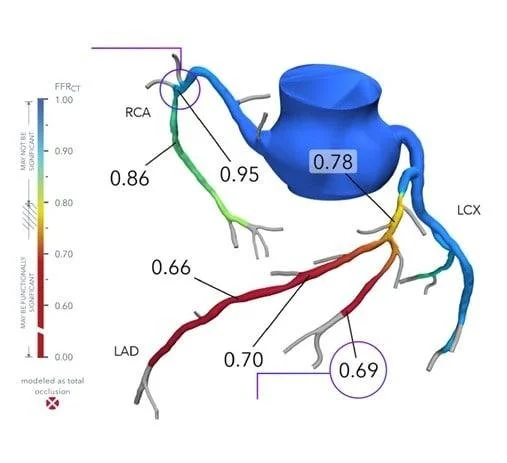
Heartflow: Randomized P4 Trial Challenges the Economics of Invasive Coronary Imaging
The randomized P4 trial, presented at TCT 2026 and simultaneously published in the New England Journal of Medicine, enrolled 1,105 patients to compare coronary CT angiography (CCTA)-guided percutaneous coronary intervention with intravascular ultrasound (IVUS)-guided intervention.
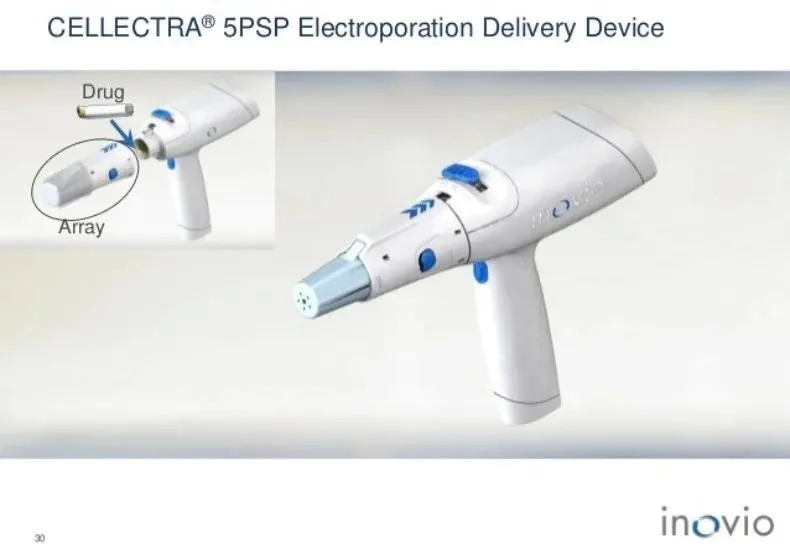
FDA Approves INOVIO's First DNA Immunotherapy Despite an Existing Fully Approved Competitor
The FDA granted accelerated approval to INOVIO Pharmaceuticals' Voceryq (INO-3107), the first U.S.-approved plasmid DNA-based immunotherapy, to reduce surgical interventions in adults with recurrent respiratory papillomatosis (RRP). The authorization was supported by an open-label multicenter trial of 32 adults, with 7 of 26 patients who had at least three prior surgeries requiring no surgery during the first year after treatment.
FBI Attributes More Than $6 Billion in Binance Theft to North Korean Cyber Actors
The FBI publicly attributed the theft of more than $6 billion in virtual assets from Binance to North Korean actors associated with its TraderTraitor designation, identifying cryptocurrency laundering activity and requesting assistance from digital-asset service providers.

Iran and Qatar Resume Mediation as Risk of Renewed U.S. Military Strikes Persists
Iranian negotiators met Qatari mediators in Doha to explore a diplomatic route out of the Gulf conflict, according to a source briefed on the discussions cited by Reuters. Qatar had proposed a seven-day confidence-building plan, which Iranian officials considered insufficient, while Tehran continued promoting its own proposal involving port access, frozen assets, and passage through the Strait of Hormuz. U.S. Secretary of State Marco Rubio said President Donald Trump had not decided whether to resume strikes and preferred diplomacy, while Iranian authorities publicly warned of retaliation if attacked. No ceasefire or binding agreement was announced.
Reuters
Source: Reuters — Iran–Qatar mediation, October 31
Why it matters strategically
The Gulf conflict continues to influence energy supply, maritime transportation, insurance, and industrial costs.
Negotiations can reduce the perceived probability of disruption without necessarily restoring physical supply or shipping capacity.
Companies must distinguish diplomatic developments from operational changes in energy markets.
China's Manufacturing PMI Falls to 49.3 as Traditional Industry and Advanced Manufacturing Diverge
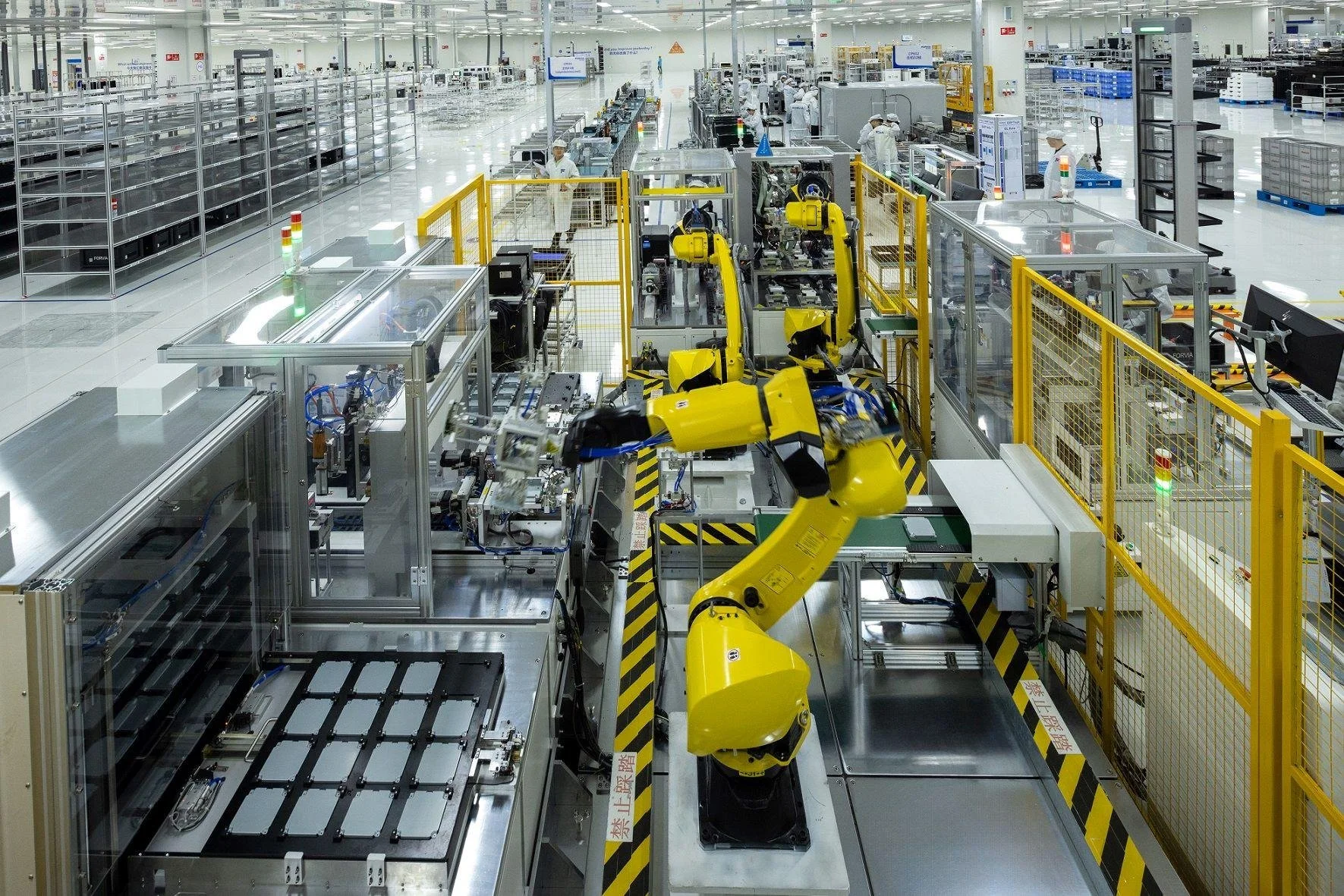
China's National Bureau of Statistics reported that the official manufacturing purchasing managers' index fell to 49.3 in October, from 50.1 in September, below the threshold indicating month-over-month expansion. The production index declined to 49.8 and new orders to 49.4, while the non-manufacturing activity index fell to 49.7.
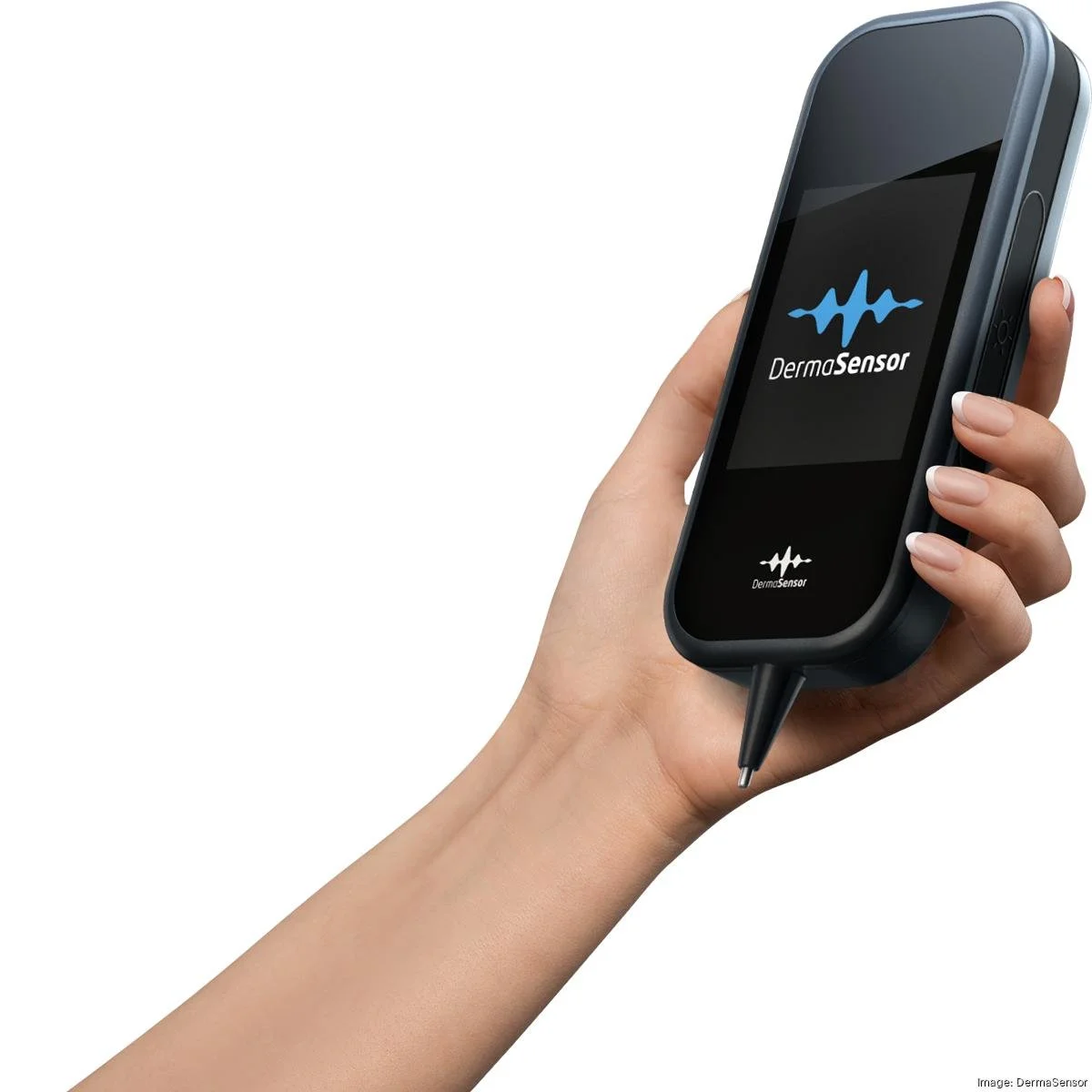
FDA Codifies Class II Classification for Software-Assisted Skin-Cancer
The FDA published a final order codifying software-aided adjunctive diagnostic devices for physician assessment of suspicious skin lesions as Class II devices subject to special controls under 21 CFR 878.1830. The order became effective October 30, 2026, but the underlying classification had already been applicable since January 12, 2024, following the De Novo authorization of DermaSensor
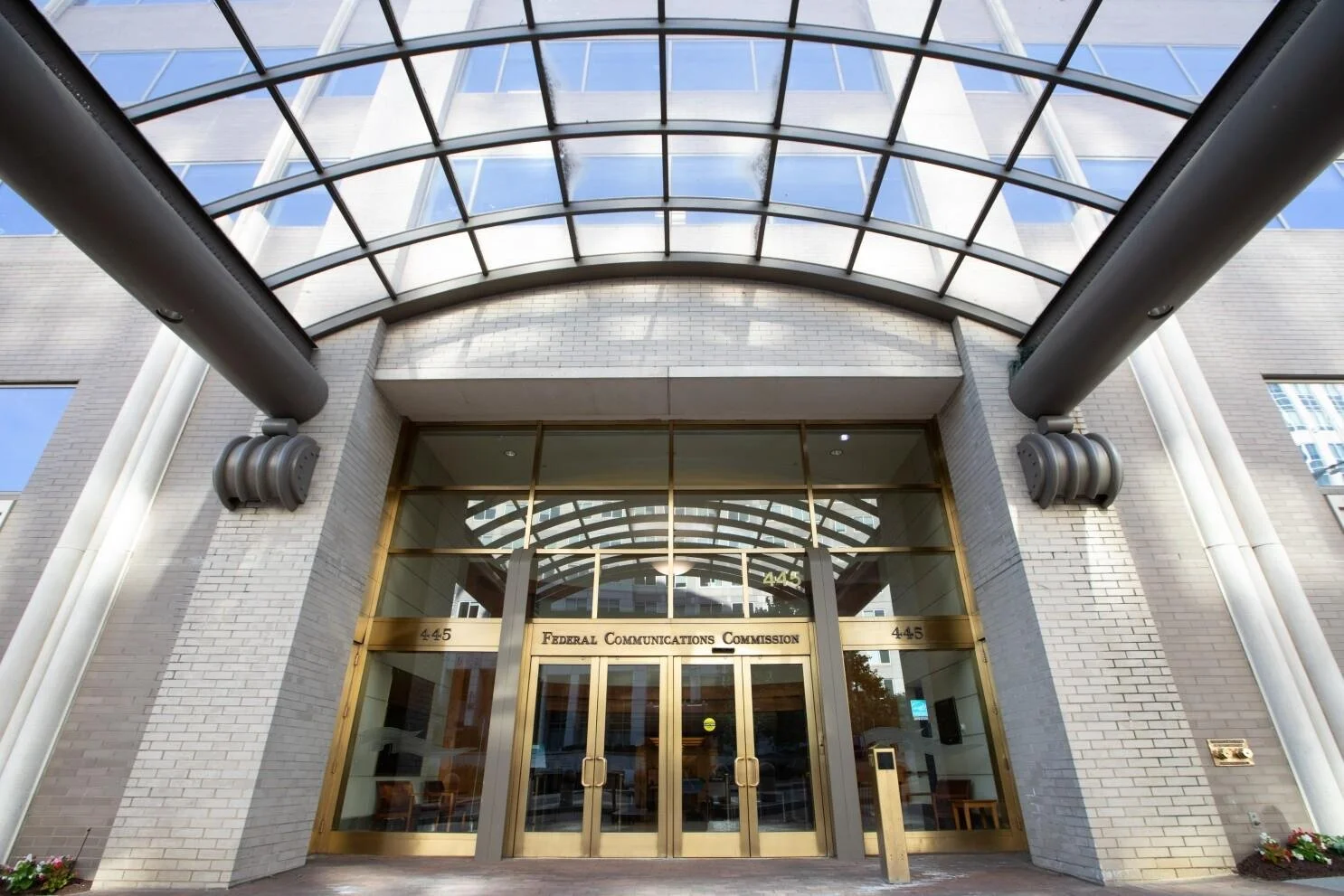
FCC Proposes Further Restrictions on Chinese Telecommunications Companies' U.S. Network Access
Reuters reported that the U.S. Federal Communications Commission plans a November 19 vote on a proposal restricting direct access to U.S. telephone numbers by China Mobile, China Telecom, China Unicom, and certain other IP-enabled telecommunications providers.
AstraZeneca Launches a $1.5 Billion Annual Savings Program to Finance Its Drug Pipeline
AstraZeneca announced its Reshaping for Sustainable Growth program, expected to deliver approximately $1.5 billion in annualized pre-tax benefits, with one-time restructuring costs of up to $2 billion and implementation largely completed by the end of 2029. Most savings are intended for reinvestment in its drug-development pipeline.
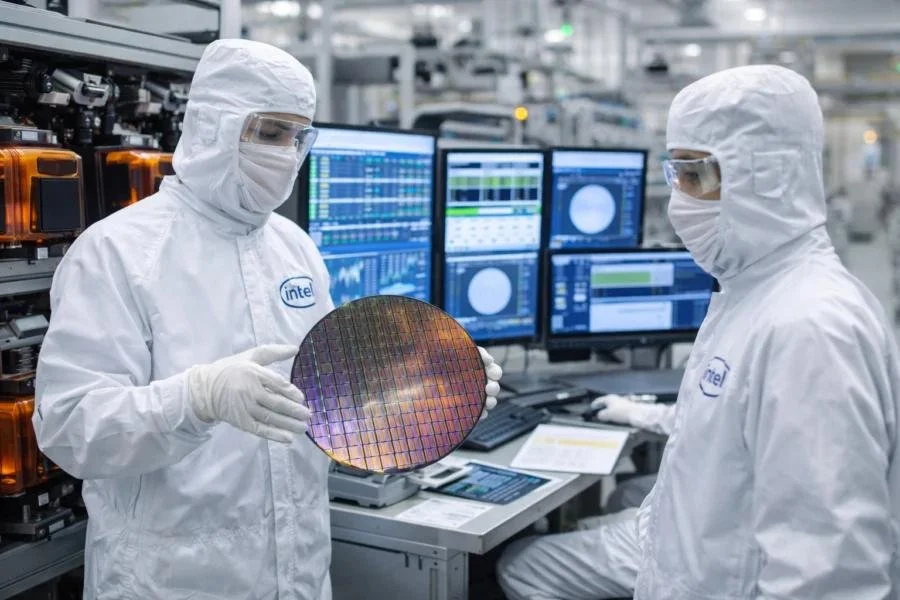
Intel's 28% Share-Price Collapse Exposes a Contradiction in the AI Semiconductor Boom
Intel shares closed approximately 27.9% lower on October 30 after its third-quarter earnings release and disappointing fourth-quarter outlook. Intel reported Q3 revenue of $16.5 billion, up 21% year over year, including $7.3 billion in Data Center and AI revenue, up 78%, while its client-computing business declined 5%. The company forecast Q4 revenue of $15 billion–$16 billion and a non-GAAP gross margin of 38%, down from 44.1% in Q3. Management identified continued PC-market weakness, while Reuters reported that rising memory prices and costly manufacturing expansion were intensifying investor concerns.
Intel Corporation+2
Sources: Intel Q3 2026 earnings filing · Reuters, October 30
Why it matters strategically
The semiconductor industry is experiencing opposing forces within the same investment cycle.
AI infrastructure demand is supporting advanced memory prices and data-center processor demand. Yet rising memory costs can increase the price of consumer PCs, weakening demand for processors sold into that market.
Intel therefore faces a potential mismatch between strong server demand, weaker consumer demand, and the substantial investment required to maintain competitive manufacturing capabilities.
U.S. GDP Expands 3.4% as Investment and Consumer Spending Accelerate
The U.S. Bureau of Economic Analysis reported that real U.S. GDP increased at a 3.4% annualized rate during the third quarter of 2026, compared with 2.2% in the second quarter.
Growth reflected increased investment, consumer spending, and government spending, partly offset by declining exports.
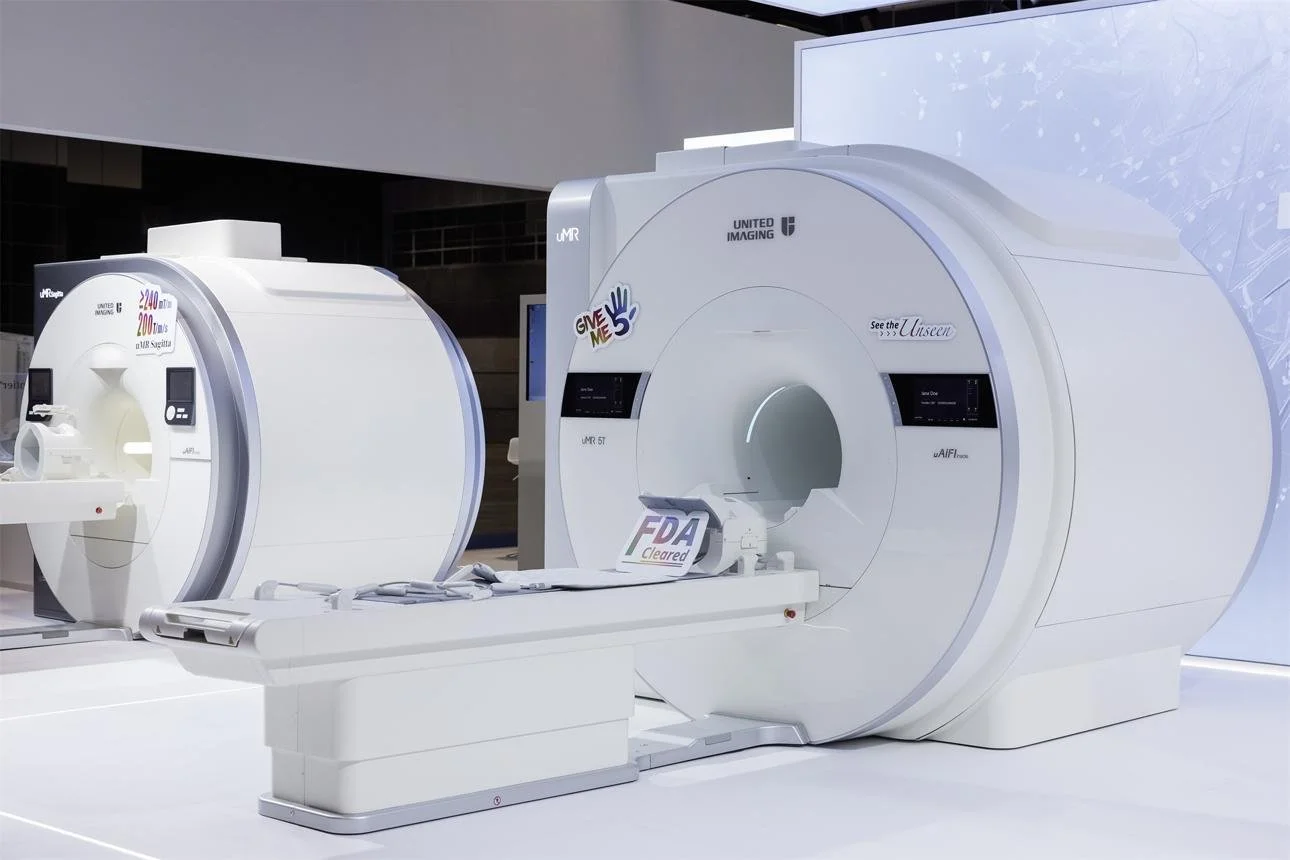
United Imaging Healthcare Reports 50.3% International Revenue Growth
United Imaging Healthcare reported revenue of RMB 10.58 billion during the first nine months of 2026, an increase of 19.43% year over year.
International revenue reached RMB 3.00 billion, increasing 50.30% and accounting for 28.31% of total revenue.
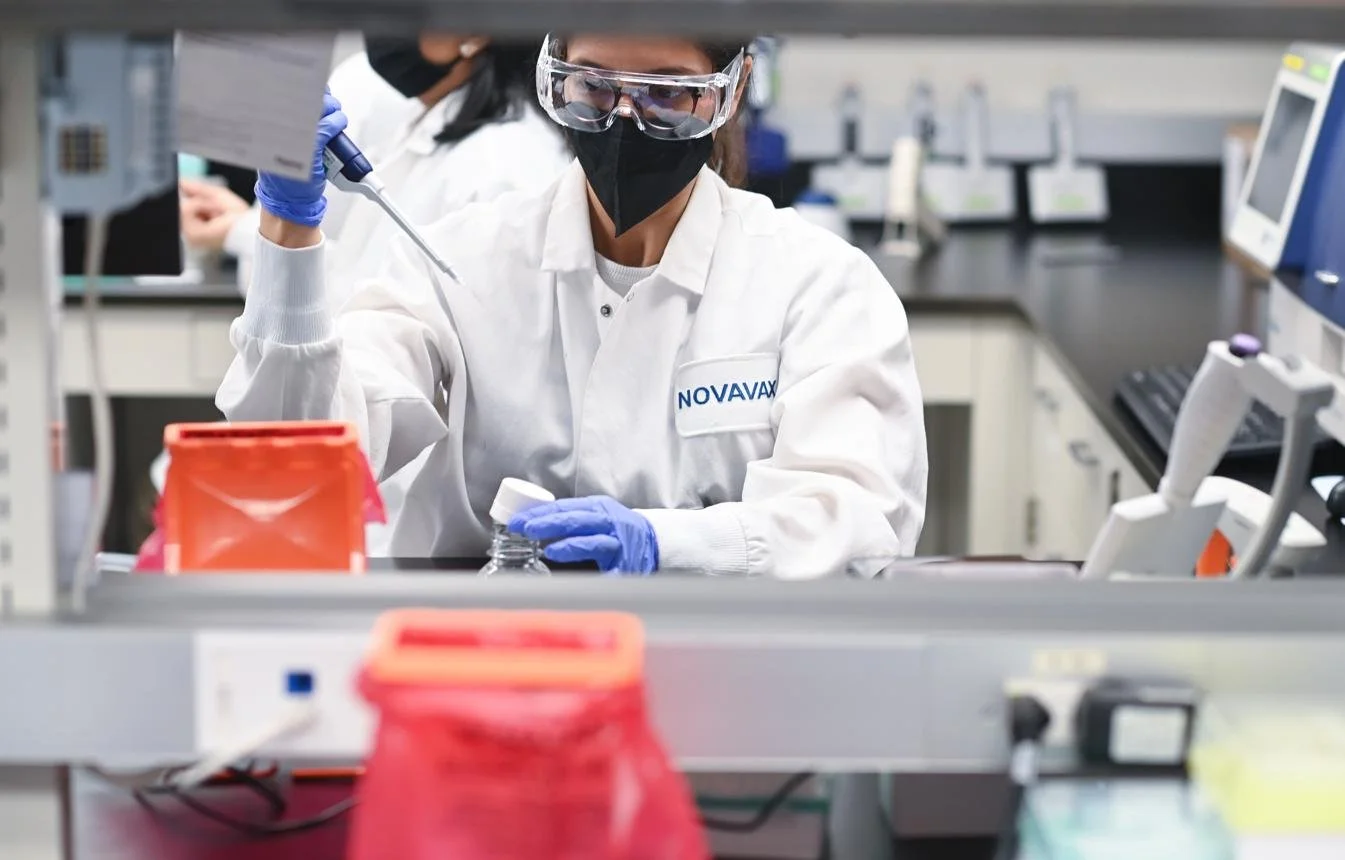
Novavax Earns $125 Million as Sanofi Initiates Phase III Combination-Vaccine Trial
Novavax announced that it had earned a $125 million contractual milestone following initiation of Sanofi's Phase III influenza–COVID-19 combination-vaccine trial in Europe.
The milestone was triggered when the fifth participant received treatment in the trial.
The study evaluates the safety and immunogenicity of a combination involving Novavax's Nuvaxovid COVID-19 vaccine and Sanofi's marketed high-dose influenza vaccine in adults aged 60 and older.

QatarEnergy Signs 20-Year U.S. LNG Agreement: Energy Security Becomes a Long-Term Contractual Commitment
Woodside Energy announced a definitive 20-year LNG sale and purchase agreement with QatarEnergy for up to 3 million tonnes annually from its Louisiana LNG project.
The agreement provides for deliveries beginning with Louisiana LNG Train 2, increasing to 3 million tonnes annually after Train 3 starts operations. The three-train foundation project has a planned capacity of 16.5 million tonnes annually and targets initial production in 2029.

World Bank: Commodity Prices Forecast to Rise 23% as Energy and Food Supply Risks Interact
The World Bank released its October 2026 Commodity Markets Outlook, forecasting a 23% increase in overall commodity prices during 2026 and a 32% increase in energy prices.
The institution expects Brent crude to average $91 per barrel in 2026 before declining to $79 in 2027 under its baseline scenario.

Boston Scientific: China Procurement Pressure and Weakening Device Growth Force a Strategic Reassessment
Boston Scientific reported third-quarter revenue of $5.138 billion, representing 1.5% year-over-year growth, while adjusted earnings declined to $0.73 per share from $0.75.
The company reduced its full-year adjusted EPS guidance to $3.16–$3.18 and projected a fourth-quarter revenue decline of 1%–3%.
Management identified continued pressure from China's volume-based procurement program, weaker performance in electrophysiology and WATCHMAN-related businesses, and lingering effects from an earlier cybersecurity incident.